
Daily Water Intake: Tailoring Hydration for Different Fitness Levels
Hydration is essential for overall health and optimal performance, particularly for those engaged in various fitness activities. Understanding daily water intake recommendations can help tailor hydration strategies based on individual fitness levels. The general guideline is that adults should consume approximately 3.7 liters for men and 2.7 liters for women. However, these recommendations may vary based on factors such as age, climate, and exercise intensity. Staying hydrated plays a critical role in regulating body temperature, lubricating joints, and transporting nutrients. Neglecting to take in adequate fluids can lead to dehydration, fatigue, and even diminished performance. Therefore, it is vital for individuals, athletes, and fitness enthusiasts to monitor their hydration effectively. Utilizing tools like hydration calculators can aid in determining specific needs based on body weight and activity level. It is also encouraged to consume water-rich foods like fruits and vegetables, which contribute to total water intake. Aim for steady hydration throughout the day rather than large intakes before or after workouts to maintain peak performance. Tailoring your hydration strategy to your fitness level ensures longevity and vitality in athletic pursuits.
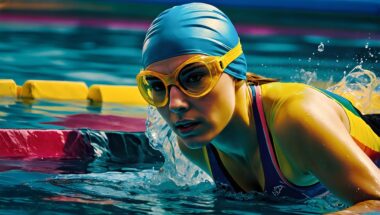
For athletes engaged in high-intensity training or competitive sports, hydration strategies should be modified to support increased metabolic demands. During rigorous exercise, sweat loss occurs, which can lead to dehydration if not adequately compensated for. It is crucial to drink water before, during, and after workouts to maintain effective hydration levels. A good practice includes drinking at least 500ml of water two hours prior to exercising. During exercise, consuming about 200-300ml every 15-20 minutes can help replenish fluid losses, especially during extended sessions. Post-exercise, one should aim to replace any lost fluids to aid recovery significantly. Strategies such as electrolyte drinks can also be beneficial, especially in prolonged or high-intensity workouts when sodium loss occurs. Electrolytes help restore balance and optimize hydration processes. Additionally, athletes may find monitoring their urine color an effective gauge for hydration levels. A pale yellow indicates adequate hydration, while darker urine suggests a need for increased fluid intake. Implementing these targeted hydration practices can significantly enhance performance and recovery, making it an indispensable component of athletic training.
Daily Water Intake for Recreational Exercisers
Recreational exercisers typically engage in moderate physical activity while prioritizing overall health. For these individuals, daily water intake should balance daily life and exercise needs without excessive focus on hydration. The general recommendations still apply, with a slightly less rigorous approach than professional athletes. Most recreational users should aim for at least 2 liters of water daily, adjusting based on the intensity and duration of their workouts. Drinking water consistently throughout the day supports hydration, as many recreational exercisers may not feel thirsty until dehydration sets in. One effective strategy is to always carry a water bottle. Sipping water during workouts is beneficial, though achieving optimal hydration before and after exercising remains a priority. Monitoring how your body responds to temperature and sweating patterns is essential. Additionally, including hydrating foods in one’s diet can complement fluid intake excellently. Foods such as watermelon, cucumber, and oranges not only refresh but also provide extra hydration. By personalizing hydration strategies, recreational exercisers can sustain energy and improve overall health.
Older adults may require a different approach to hydration strategies due to physiological changes that affect thirst perception. As people age, the body’s natural thirst mechanism may diminish, leading to an underestimation of fluid needs. This demographic should aim to drink about 2.7 liters for women and 3.7 liters for men daily, including fluids from food. Regular hydration is essential for maintaining cognitive function and preventing urinary tract infections, which are prevalent in older populations. Encouraging hydration can be approached by establishing routines, such as drinking water with every meal or setting reminders to sip water throughout the day. Hydrating foods are particularly helpful, as they can provide necessary fluids without requiring greater conscious effort. Additionally, older adults should be aware of medications that increase the risk of dehydration. Maintaining hydration promotes better health outcomes and well-being in older adults. Family members should encourage these practices in their routines to help older loved ones maintain proper hydration and monitor their water intake effectively, reducing risks related to dehydration and promoting a healthier lifestyle.
Hydration Considerations for Climate and Environment
Environmental factors play a significant role in daily water intake recommendations. Climate, such as heat and humidity, influences hydration needs, particularly for individuals engaging in outdoor activities. Those exercising in hot and humid conditions should be even more vigilant in monitoring hydration levels. Higher temperatures and humidity can significantly increase perspiration rates, leading to fluid loss quicker than expected. Thus, adjusting water intake accordingly becomes essential. It’s recommended to drink more fluids when exercising in elevated temperatures, aiming to increase water consumption before, during, and after workouts. A good measure is to consume an additional 1-2 liters on hot days. Using sports drinks may also be beneficial to replenish electrolytes lost during prolonged sweating. Conversely, cooler climates may require less frequent water breaks but still demand consistent hydration. Monitoring your body’s signals remains crucial in adapting hydration strategies, regardless of the climate. By understanding and addressing these environmental conditions, fitness enthusiasts can enhance performance and maintain adequate hydration throughout their activities.
Daily water intake recommendations should also cater to specific exercise types, such as endurance, strength training, and casual fitness activities. Endurance athletes benefit significantly from fluid management due to the length and intensity of their workouts. Strategies involve pre-hydration before long sessions and regular fluid intake during workouts. Conversely, those engaged in strength training may not require as much water during sessions but should still hydrate adequately before and after workouts. Recreational fitness seekers can maintain general hydration guidelines while paying attention to individual needs. Every workout varies, and the body’s signals will help guide specific hydration practices. A rule of thumb is to drink half a liter of water for every hour of exercise. Experimentation during training sessions can help determine the optimal fluid strategies that work best for individual needs. Listening to your body’s signals, including dry mouth and fatigue, will guide the necessary hydration adjustments essential for optimal performance. Developing a personalized water intake plan with awareness of workout styles will lead to improved fitness outcomes.
Integrating Hydration with Nutrition
Integrating hydration with nutrition enhances daily water intake strategies while ensuring vital nutrients are not overlooked. Pairing water consumption with nutrient-rich foods can vastly improve overall health and hydration. Foods high in water content, such as fruits and vegetables, contribute significantly to hydration needs. These are ideal choices for individuals aiming to maintain hydration efficiently while enjoying balanced diets. For instance, foods like strawberries, lettuce, and zucchini can provide hydration while also supplying essential vitamins and minerals. Furthermore, the timing of meals can affect hydration strategies; consuming hydrating foods during meals is an effective way to enhance intake. It is recommended to remain mindful of salt intake which can lead to dehydration. Hence focusing on meals that maintain sodium balance with adequate water intake becomes vital. For athletes, integrating hydration needs with meal plans is critical for performance and recovery. Combining these strategies provides a comprehensive approach to hydration, ensuring individuals remain energized and refreshed. By emphasizing hydration’s connection to nutrition, a holistic health strategy can be achieved.
In conclusion, daily water intake recommendations should be personalized based on individual fitness levels, climatic conditions, and lifestyle factors. Staying adequately hydrated enhances athletic performance and fosters overall health. Tailoring hydration strategies enables individuals to thrive in their chosen activities while minimizing the risks associated with dehydration. Regardless of fitness levels, understanding the nuances of hydration can benefit everyone. For athletes, recreational users, older adults, and those active in varying environments, hydration management is essential. It is vital to use knowledge and resources available to optimize hydration daily. Professional guidance can further assist individuals to navigate their hydration needs comprehensively. Ultimately, being proactive about hydration will lead to enhanced physical performance, improved well-being, and a healthier lifestyle. Continuous monitoring of water intake, along with making informed decisions about hydration, can form crucial components of a fitness journey. Take action today towards better hydration practices and witness the positive consequences on overall health and fitness achievements.