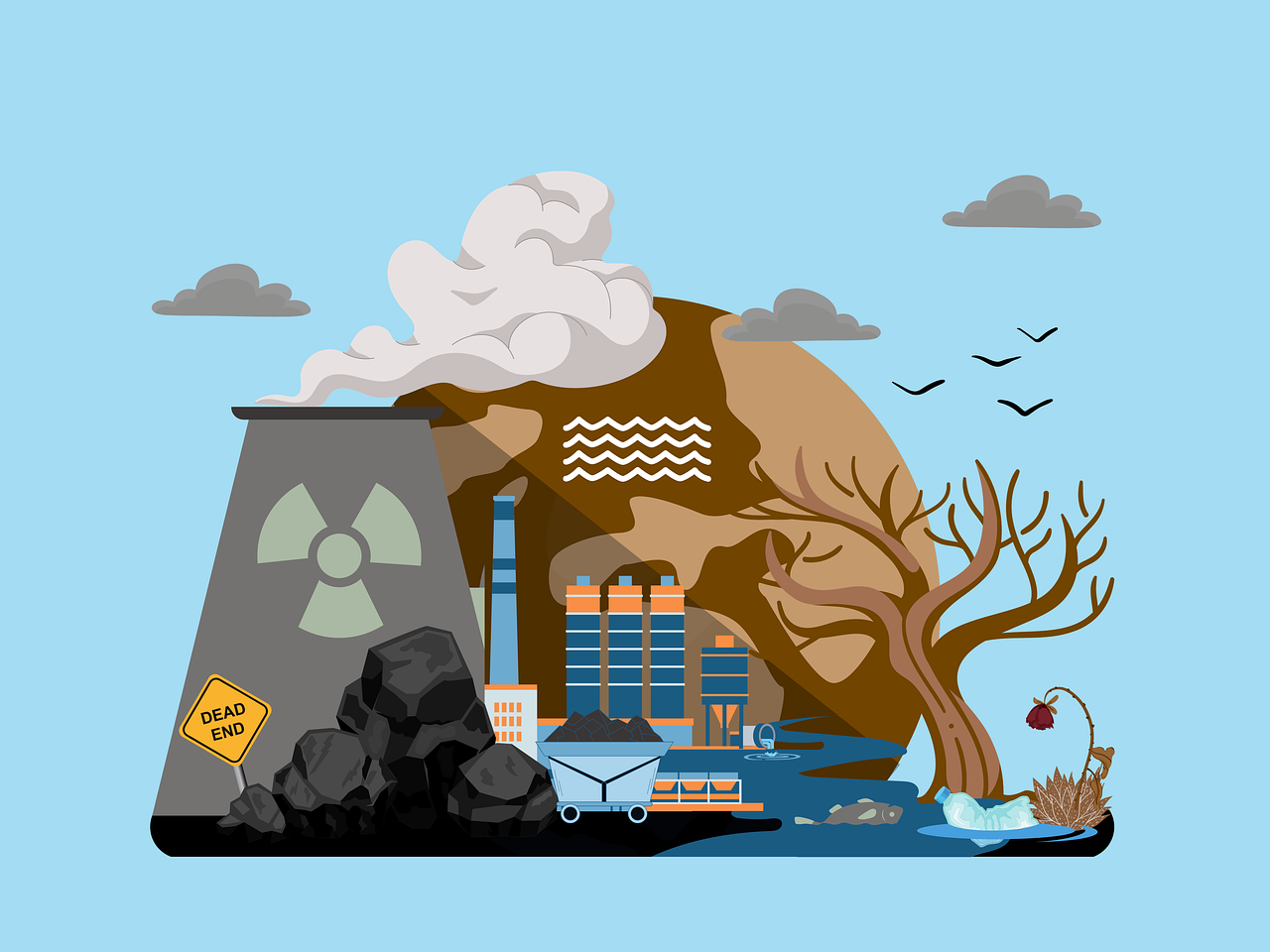

Endurance Sports and Climate Change: Adapting Training to New Environments
Climate change is affecting endurance training significantly. Athletes today face various environmental challenges that impact their performance. Increased temperatures can lead to heat exhaustion, hindering physical capacity. Moreover, air quality can deteriorate, affecting respiratory efficiency and overall health. Endurance athletes must adapt their training regimens to counter these effects. For instance, hydration practices must be optimized to combat heat while maintaining performance levels. Additionally, acclimatization to different environments should be prioritized. This adaptation process enhances performance as athletes become accustomed to temperature fluctuations. Training during cooler parts of the day is essential to increase workouts without risking health. Incorporating recovery strategies becomes vital as well, allowing the body to adapt more quickly to extreme conditions. By adjusting their routines and understanding the environmental impact, athletes can maintain their endurance and performance effectively. Knowledge about weather patterns and environmental conditions can further assist trainers and athletes alike in making informed decisions about their training schedules. This adaptability is increasingly vital as climate conditions continue to shift across the globe, directly affecting sustained athletic performance levels.
The seasonal changes influenced by global warming are also crucial for athletes. Winter sports training, for example, might be affected as temperatures rise, leading to less predictable snow conditions. Endurance athletes need to consider these factors when planning their training schedules. When training in warmer climates, maintaining energy levels becomes essential. Heavy training loads need to be adjusted according to the season, reducing the risk of injury and overtraining. Regular monitoring of both physical conditioning and environmental conditions can assist athletes in making smarter decisions. Alternative training methods, such as indoor cycling or swimming, may offer viable solutions for cold-weather conditions. Cross-training helps build overall fitness without exposing athletes to suboptimal conditions during extreme weather. Moreover, understanding the nuances of environmental changes can enhance mental resilience. Athletes that prepare for weather variability can develop greater adaptability and psychological fortitude. Knowledge sharing among athletes regarding coping strategies can minimize risks and optimize performance. This collective understanding fosters an environment where endurance sports can thrive sustainably despite facing climate-associated challenges, ensuring that the spirit of endurance persists.
Adjusting Training Routines
Adapting training routines is essential for athletes in the face of climate change. Modifying intensities and workout durations helps optimize performance amidst varying environmental factors. Athletes can enhance their endurance by gradually increasing training loads, allowing their bodies to adjust to heat and humidity. Planning workouts during times when temperatures are lower can reduce heat-related issues and discomfort significantly. Furthermore, incorporating more frequent breaks during training sessions promotes better hydration and energy replenishment. Endurance athletes must incorporate more rest and recovery periods into their training schedules. Also, including heat acclimatization sessions prepares the body for higher temperatures and improves overall stamina. Trainers need to educate athletes on proper sun protection measures, emphasizing skin safety while training outdoors. Wearable technology can assist in monitoring body temperature and hydration levels during training. Athletes can tailor their routines using this data, ensuring optimal performance while safeguarding their health. Understanding one’s limits in demanding conditions can enhance training outcomes. Developing a flexible mindset towards training can also contribute to long-term success in endurance sports. Such preparation ensures athletes can effectively navigate environmental uncertainties and achieve their goals.
With climate change comes increased air pollution, which poses significant challenges for endurance athletes. Poor air quality directly impacts lung capacity and performance, making it harder to engage in high-intensity activities. Athletes need to remain aware of pollution levels in their training environments. Training in locations with cleaner air, such as rural areas or designated parks, can help mitigate risks associated with poor air quality. Using air quality monitoring apps enables athletes to plan their workouts better, avoiding high-pollution days. Additionally, cross-training in indoor facilities equipped with air filtration can provide safer alternatives. Athletes should also consider focusing on interval training to accommodate challenging outdoor conditions. Short, intense bursts of effort allow athletes to optimize training while minimizing exposure to adverse conditions. Incorporating agility and flexibility sessions can enhance overall athletic performance. Educating athletes about the risks associated with pollution can promote awareness and proactive decision-making. Mental strategies play a role in endurance, fostering resilience in difficult conditions. Athletes willing to adapt can still thrive, focusing on their long-term health and performance goals despite environmental challenges. Engaging in conversations around air quality can also advocate for cleaner training environments.
Nutrition and Hydration Strategies
Nutrition and hydration are crucial components of endurance training. As climate conditions fluctuate, athletes must adjust their nutritional strategies to support performance. Increased temperatures lead to higher sweat rates, making hydration management essential. Consuming electrolytes during prolonged exercise can help maintain optimal performance levels. Athletes must experiment with hydration options, determining what works best for their bodies. Integrating hydrating foods, such as fruits and vegetables, can enhance overall fluid intake. Developing a proper meal timing plan to fuel training sessions is critical, focusing on carbohydrates and proteins before and after workouts. Nutrition strategies should also consider individual caloric expenditure to avoid imbalances. During training in high heat, focusing on easily digestible foods can support energy levels without causing gastrointestinal issues. Understanding sufficient recovery nutrition can facilitate muscle repair and improve endurance. Establishing a personalized nutrition plan requires collaboration with nutritionists and coaches. Regular evaluations of hydration strategies can ensure optimal performance during varying environmental conditions. Athletes should seek advice and knowledge regarding the best practices for fueling their bodies adequately. This comprehensive approach to nutrition and hydration can pave the way for success amidst climate change challenges.
Proper gear and equipment play a significant role in endurance sports affected by changing climates. Athletes must invest in high-quality clothing designed for varying environments to ensure optimal performance. Lightweight, moisture-wicking fabrics can enhance comfort, drawing sweat away from the body. This helps in regulating body temperature effectively in both warm and chilly conditions. Footwear must also be chosen wisely, as different terrains and weather conditions require specific attributes for better grip and support. Consistency in gear maintenance extends the life of equipment, reassuring reliability during training sessions. Utilizing technology-enhanced devices, such as GPS watches or fitness trackers, offers valuable insights into performance metrics. These tools help athletes adjust training plans based on environmental factors. Moreover, seasonal gear choices should prioritize sustainability, which incorporates eco-friendly materials. Assessing environmental impact can contribute positively to the future of endurance sports. Athletes should remain informed about innovating technologies for gear that enhance their performance while remaining environmentally conscious. Sharing experiences within the athletic community allows for valuable insights regarding gear choices under various climates. Staying proactive and educated on gear can lead to successful training outcomes in dynamic environmental conditions.
Community Support and Adaptation
Community support plays a vital role in adapting endurance training to the effects of climate change. Having a network of fellow athletes can foster collaboration and shared knowledge. Organizing group training sessions might help athletes navigate challenging environmental conditions more effectively. Additionally, athletes facing similar challenges can offer moral support during tough periods. Awareness campaigns about climate change and its impact on sports can encourage collective action within communities. Sharing best practices regarding gear, nutrition, and training schedules can elevate group performance. Initiatives promoting clean environmental practices, such as sustainable training events, can build a stronger sense of unity among athletes. Community involvement fosters resilience against external pressures stemming from climate variations. Mentorship programs can also guide up-and-coming athletes on best adaptation strategies, investing in future generations of endurance athletes. Building connections within the athletic community provides aiding resources for impactful changes. Together, endurance athletes can lead the charge by emphasizing the importance of a sustainable approach to their sport. Collaborative efforts can enhance individual success while preserving the passion for endurance sports despite environmental challenges. Sporting organizations can leverage these networks to create outreach programs that promote holistic health and environmental stewardship.
Ultimately, adapting to climate change within endurance sports is a multifaceted approach. Athletes must focus on their physical conditioning while being aware of environmental factors influencing performance. Flexibility in training schedules and routines becomes paramount, allowing adjustments to be made as conditions change. Awareness and education can empower athletes to make informed decisions about their health and performance. Emphasizing resilience encourages athletes to face challenges with a proactive mindset. Sustainable practices across training, nutrition, and gear usage are crucial in promoting longevity in endurance sports. Adaptation involves a process of continuous learning, sharing knowledge, and developing new strategies tailored to emerging environmental realities. Only through collaboration and innovation can the endurance sports community survive in a changing world. Athletes are also encouraged to engage in conversations about climate change’s impact on their sport, fostering a broader understanding and developing support networks. Advocating for change can help reshape how sports organizations address environmental challenges, paving the way for sustainable practices. By championing these principles, endurance athletes can not only thrive in their performance goals but also contribute significantly to environmental stewardship.