
How to Modify Bodyweight Exercises for Different Fitness Levels
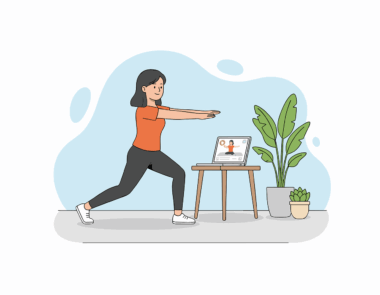
Bodyweight exercises can be tailored effectively to cater to all fitness levels, making them suitable for beginners, intermediates, and experienced individuals alike. The key to modifications lies in understanding the fundamental principles of exercise progressions and regressions. For instance, if a beginner struggles with standard push-ups, they can start with wall push-ups or knee push-ups to build strength gradually. Conversely, advanced practitioners can opt for one-arm push-ups or archer push-ups. As fitness levels evolve, it becomes essential to incorporate movements that challenge the body appropriately while maintaining proper form. One strategy involves adjusting the angle or elevation during exercises to make them easier or more challenging. Doing this can allow various fitness levels to perform push-ups, squats, and planks without the need for equipment. Essentially, knowing how to modify exercises ensures that all participants remain engaged and motivated throughout their journey. Practitioners can consider creating a personalized workout plan that factors in their current fitness level while still pushing boundaries safely. By implementing these techniques, individuals can confidently navigate their exercise regimens.
Another effective way to modify bodyweight exercises is to adjust the number of repetitions or duration. Beginners may focus on shorter sets, emphasizing proper form over quantity. For example, they can begin with just 5 to 10 repetitions of an exercise, resting longer between sets. Intermediate individuals may increase this number to 10-15 repetitions, while advanced exercisers might push through without rest or add more complex variations. Similarly, duration adjustments apply well to static holds like planks. Beginners may hold a plank for just 10-15 seconds, while intermediates can strive for 30-60 seconds. Advanced individuals could aim for longer durations or add dynamic movements within the plank position, creating a balance between endurance and strength. Maintaining consistency is equally crucial alongside these modifications, allowing individuals to track progress over time. Incorporating various tempos can also increase exercise effectiveness, such as performing push-ups slowly to focus on contraction, then speeding up as strength develops. This variation keeps workouts fresh and engaging, while ensuring individuals meet their evolving fitness needs.
Utilizing Variations for Skill Development
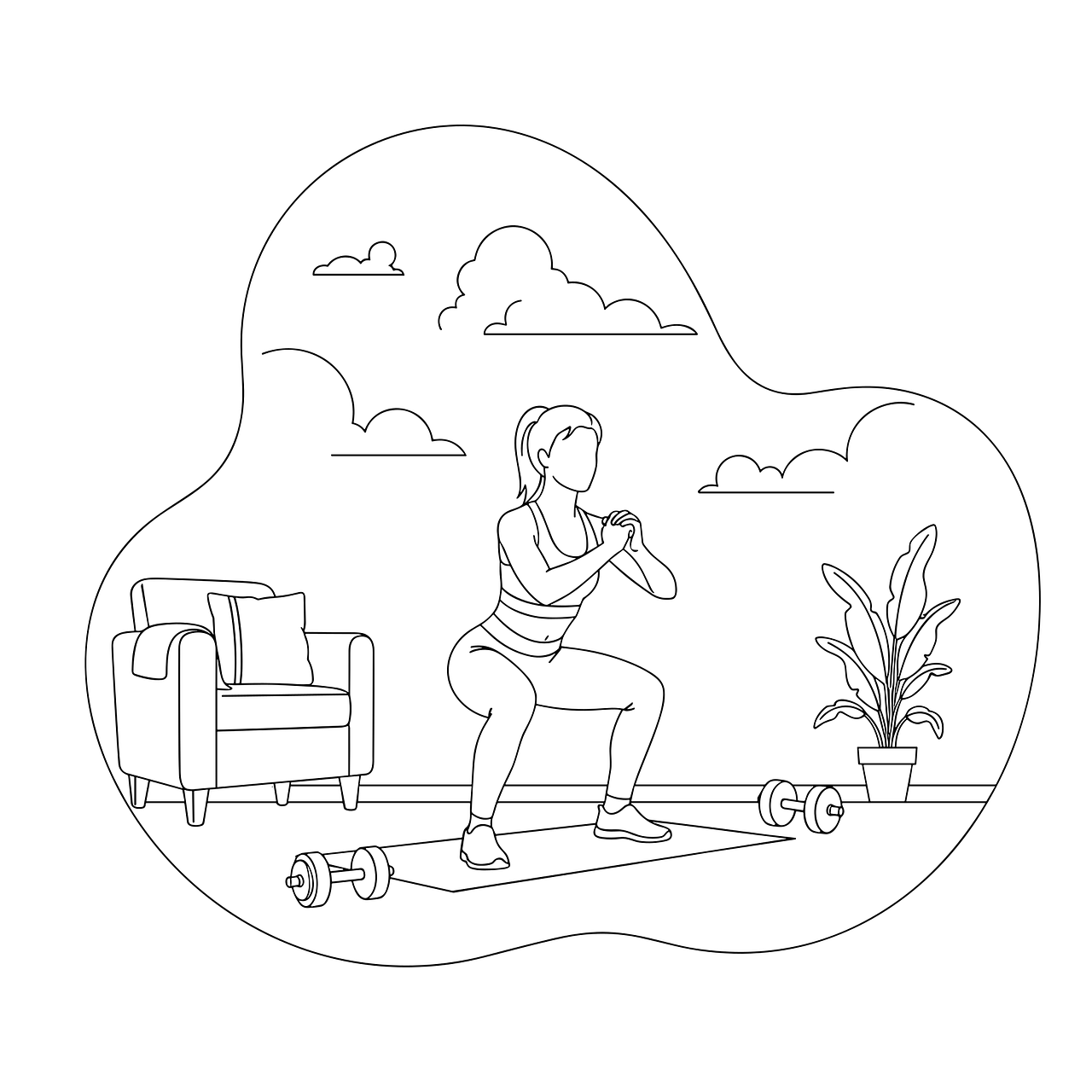
Incorporating variations of bodyweight exercises enhances progression by developing different skills and muscle groups. For instance, someone starting with standard squats can try sumo squats to engage different muscle fibers. Additionally, plyometric variations such as jump squats or explosive lunges can challenge experienced participants while improving power and agility. To modify exercises effectively, practitioners need to consider various loading techniques, such as tempo and speed during movements. By performing exercises at varied speeds, individuals can focus on strength, stability, and endurance. Moreover, mixing static and dynamic movements during a session can significantly boost workout intensity. Another useful approach is alternating between upper and lower body exercises; this method allows each muscle group time to recover while keeping the heart rate elevated. A well-structured workout plan ensures balanced development and allows practitioners to explore different variations. Incorporating these modifications promotes both physical and mental engagement, as individuals tackle new challenges regularly. Consistently applying changes while monitoring individual progress leads to better results in achieving fitness goals, ensuring continued motivation on the journey.
Progressing or regressing bodyweight exercises also involves incorporating varying levels of instability. For advanced practitioners, utilizing unstable surfaces like gym balls or balance discs can significantly challenge the body. This leads to enhanced core engagement and improves overall stability. Conversely, for those at the beginner fitness level, standing on stable surfaces ensures adequate support while they develop foundational strength. Activities such as single-leg lifts or push-ups with feet elevated can further add difficulty for trained individuals. Adjusting the width of stance in exercises also matters; a wider stance typically provides more stability for beginners, while a narrower stance often requires greater balance and coordination for the experienced. The scalability of bodyweight exercises means that anyone can start their fitness adventure without the need for equipment. Utilizing variations, adjusting intensity through progressions and regressions, and employing diverse tempos within a routine all contribute to a dynamic workout experience. By mastering these methods, individuals ensure workouts remain adaptable and enjoyable, catering to personal growth and achievement across all fitness levels.
The Importance of Rest and Recovery
While modifying exercises is essential, allocating time for adequate rest and recovery is also crucial for progression. Bodyweight workouts, even without additional equipment, can be taxing on the muscles and joints. Overtraining can lead to injury and burnout, emphasizing the need for individuals to listen to their bodies throughout their fitness journeys. For beginners, this could mean taking longer breaks between sets or incorporating active recovery days, such as gentle yoga or walking. Advanced practitioners may still benefit from rest but can choose to perform lighter workouts targeting different muscle groups. Implementing recovery strategies, such as stretching or foam rolling, can enhance flexibility and reduce muscle tension. Providing the body with adequate sleep, hydration, and nutrition further supports recovery and overall performance. By respecting the importance of rest, individuals enable their muscles to recuperate, leading to improved strength and endurance over time. Balancing intensity with recovery will ultimately aid in preparing the body for ongoing challenges against increasingly demanding workouts.
Staying motivated is vital throughout any fitness journey, especially when modifying bodyweight exercises. Setting achievable goals can create a sense of accomplishment, helping individuals stay focused and encouraged. These goals can be short-term, such as completing a specific number of repetitions, or long-term, like mastering a challenging movement. Moreover, finding a workout buddy or joining a fitness community promotes accountability and fosters camaraderie among participants. Encouraging each other while sharing tips on modifications can create a positive environment, leading to more successful workouts. Tracking workout progress, whether through journaling or fitness apps, also serves to highlight individual improvement. Additionally, varying exercises to prevent boredom is crucial; trying new movements and routines keeps engagement levels high. Celebrating achievements, no matter how small, is essential, as this recognition can help individuals realize their hard work pays off. Incorporating fun challenges such as mini-competitions or timed sets can further spice up workouts, reminding participants that fitness is not just about targets, but also about enjoyment. An adaptable approach will enhance both fun and growth.
Conclusion: Embrace the Journey of Bodyweight Training
Bodyweight exercises offer immense potential for individuals to increase strength and improve their fitness levels without any equipment. The adaptability of these exercises enables modifications for various fitness levels. By implementing techniques such as adjusting sets, reps, duration, instability, and tempos, individuals can develop effective and engaging workout regimens. Understanding the balance between progress and rest is equally vital, ensuring that individuals allow for recovery while pursuing goals. By establishing motivation through goal setting, community support, and tracking progress, participants can cultivate a positive fitness culture around themselves. Furthermore, acknowledging the joy of bodyweight training reinforces the idea that fitness is a journey, not merely a destination. As each person discovers their own path of growth through exercise, embracing the ongoing learning process can lead to lasting transformation. Without requiring any specialized equipment, bodyweight workouts provide a flexible option for everyone, promoting lifelong engagement in physical activity. Ultimately, committing to the journey of bodyweight training empowers individuals to achieve their fitness goals while enjoying every step along the way.
Bodyweight exercises offer immense potential for individuals to increase strength and improve their fitness levels without any equipment. The adaptability of these exercises enables modifications for various fitness levels. By implementing techniques such as adjusting sets, reps, duration, instability, and tempos, individuals can develop effective and engaging workout regimens. Understanding the balance between progress and rest is equally vital, ensuring that individuals allow for recovery while pursuing goals. By establishing motivation through goal setting, community support, and tracking progress, participants can cultivate a positive fitness culture around themselves. Furthermore, acknowledging the joy of bodyweight training reinforces the idea that fitness is a journey, not merely a destination. As each person discovers their own path of growth through exercise, embracing the ongoing learning process can lead to lasting transformation. Without requiring any specialized equipment, bodyweight workouts provide a flexible option for everyone, promoting lifelong engagement in physical activity. Ultimately, committing to the journey of bodyweight training empowers individuals to achieve their fitness goals while enjoying every step along the way.