
How to Optimize Protein Intake for Post-Workout Recovery
Incorporating optimal protein intake post-workout is crucial to maximize muscle recovery and growth. Ensuring an adequate amount of protein helps replenish amino acids lost during exercise, leading to improved recovery. Various types of protein sources, such as whey, casein, and plant-based options, are available. Each type has its unique absorption rates and benefits. To effectively restore protein levels, it’s advisable to consume protein between 15 to 60 minutes after finishing workouts. This is often referred to as the “anabolic window,” where muscles are primed to absorb nutrients. Balancing between simple carbohydrates and protein aids in quicker recovery. Combining protein with simple carbohydrates can facilitate faster glycogen replenishment. It is also valuable to consider how the protein is prepared and its overall quality. Whole foods typically provide additional vitamins and minerals that contribute to optimal recovery. Hydration is also crucial during the post-workout phase, as water aids in the transport of nutrients to muscles as they recover from strenuous activity. Adequately assessing personal nutritional needs and adjusting the protein intake accordingly might yield the best results in muscle recovery efforts.
Recommended Protein Sources
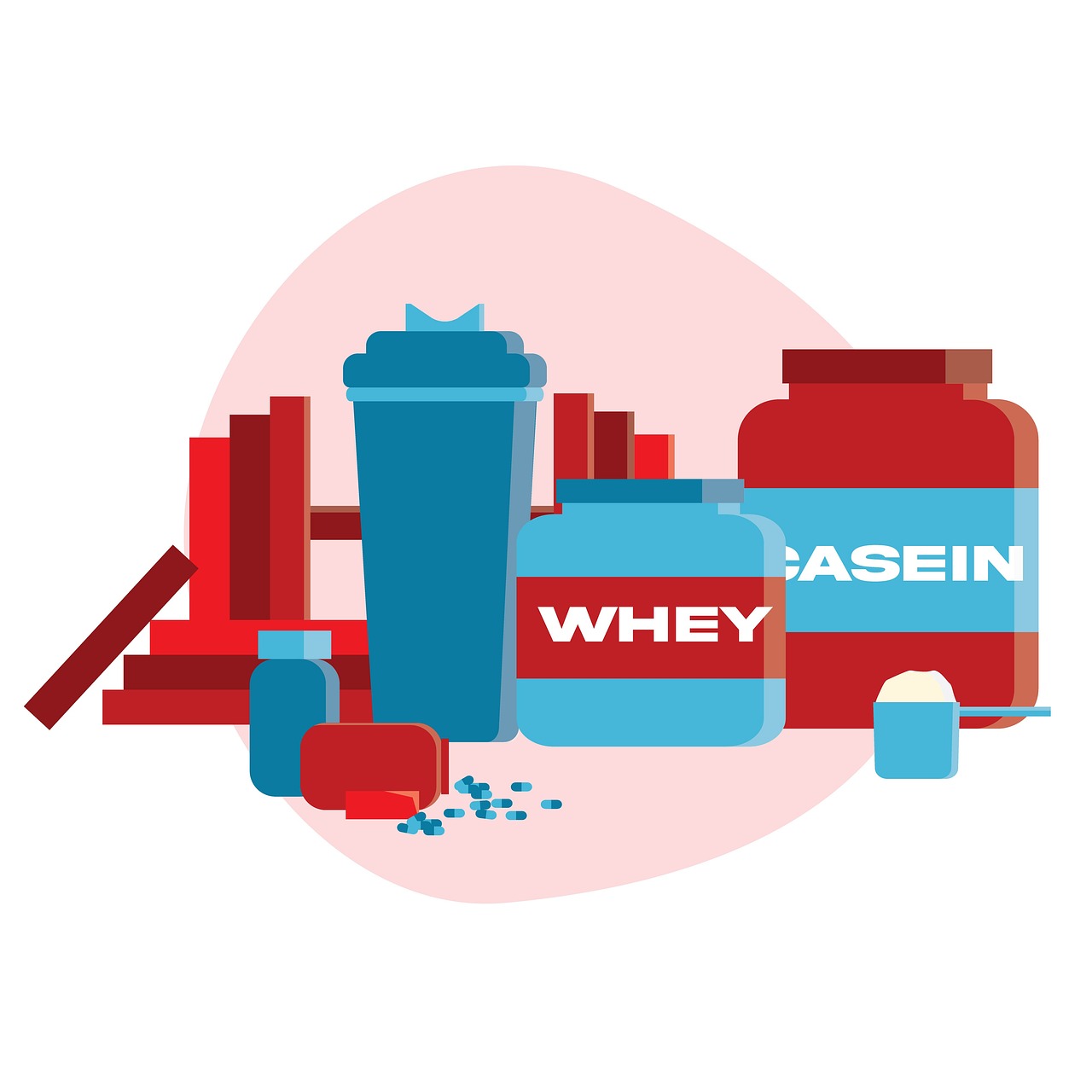
When it comes to protein sources beneficial for post-workout recovery, there are numerous options available. High-quality sources of protein can be classified into two main categories: animal and plant-based proteins. Animal sources are rich in complete proteins, including essential amino acids. Examples include lean meats, poultry, fish, eggs, and dairy products. Plant-based options such as quinoa, lentils, chickpeas, and tofu offer alternative protein sources for those who are vegetarian or vegan. Some protein supplements can provide quick and convenient options, especially whey protein isolate or hydrolysate. These formulations ensure rapid absorption into the bloodstream. Additionally, casein protein digests slower, making it ideal for extended periods without food. It is vital to choose sources that are rich not just in protein but also low in unhealthy fats and added sugars. Besides traditional options, protein bars and shakes are convenient but should be selected with care regarding their nutritional value. Lastly, seeking out protein sources that contain a good mix of other nutrients, such as fiber and healthy fats, can enhance overall nutritional value while supporting post-exercise recovery.
Timing your protein intake accurately post-exercise could significantly impact muscle recovery and growth. Aim to consume at least 20-25 grams of high-quality protein immediately or within an hour after working out. Some research indicates that spreading protein intake throughout the day can also benefit muscle repair. Therefore, the role of protein in workout recovery is not merely restricted to post-exercise. Incorporating quality protein into every meal can aid in consistent muscle maintenance due to continuous amino acid availability. Your daily protein needs depend on numerous factors, including body weight, fitness level, and exercise intensity. Athletes may require greater amounts up to 1.2-2.0 grams of protein per kilogram of body weight. It’s essential to listen to your body and adapt your intake accordingly based on physical activity levels and recovery response. Furthermore, focusing on other macronutrients like healthy fats and carbohydrates complements protein intake, fostering even better recovery outcomes. A balanced meal can further enhance nutrient absorption and utilization by muscles, resulting in effective recovery. Including micronutrients from fruits and vegetables can bolster this process, giving the body the resources it needs to recover optimally after workouts.
Personalizing Protein Intake
Each individual’s protein requirements are unique, influenced by distinct variables such as age, weight, activity level, and specific fitness goals. For someone engaged in regular weight training, protein intake should reflect workout intensity and volume. A younger individual with higher muscle tissue repair needs might benefit from higher protein consumption than an older person, as recovery rates can slow with age. Additionally, the body’s ability to utilize protein efficiently tends to decrease with age. As such, older adults should consider slightly higher intake levels. After assessing protein goals, tracking daily intake realistically is necessary. Food diaries or nutritional apps may help monitor what is consumed, emphasizing the importance of protein-rich foods. This awareness allows for adjustments to be made accordingly when targets are missed. For individuals aiming for muscle gain or those in calorie deficit for fat loss, protein needs usually increase. There’s an optimal threshold of protein intake, where excess amounts beyond a certain point don’t contribute further advantages for muscle repair but may instead lead to waste. Thus, defining specific targets should enable effective muscle recovery and ongoing progress towards fitness objectives.
Combining protein with strategic supplementation can enhance the recovery process. Post-exercise supplements can offer a quick means to replenish nutrients, especially if a balanced meal isn’t readily available. Some athletes might explore branched-chain amino acids (BCAAs) or L-glutamine alongside protein for additional recovery support. BCAAs play a role in protein synthesis and fatigue reduction during workouts. Similarly, L-glutamine has shown potential in reducing muscle soreness and boosting recovery parameters. It’s often taken post-workout or even before sleep to ensure amino acids are available to muscles for repair. Furthermore, creatine supplementation has also garnered attention for its effectiveness in muscle recovery and performance. While creatine primarily aids in energy during high-intensity training, it has revealed potential in aiding muscle hydration post-exercise. This further supports energy replenishment and muscle recovery. It’s crucial, however, to approach any supplementation intelligently. Consulting with a healthcare provider or sports nutritionist is recommended before starting any supplement regimen, particularly if other medications or health concerns are present. Furthermore, personalized supplementation based on specific fitness objectives aids in achieving the best possible recovery outcomes.
Hydration and Its Role
Hydration significantly contributes to effective post-workout recovery, making it an essential focal point alongside protein intake. Exercise can lead to dehydration, hindering recovery processes and muscle function. Ensuring adequate fluid intake before, during, and especially after workouts helps to rehydrate the body. Water or electrolyte-rich beverages can replenish lost fluids to restore balance. Optimal hydration supports nutrient transport, including protein and other nutrients into muscle cells, enhancing recovery effectiveness. Moreover, electrolytes, such as sodium and potassium, play vital roles in muscle contraction and prevent cramping. After intense workouts or prolonged sessions, replacing lost electrolytes becomes paramount. Athletes engaging in high-intensity or endurance training should be especially vigilant with hydration levels. Utilizing strategies such as hydration testing during workouts can guide fluid intake needs. Additionally, dietary choices should include liquid-rich foods like smoothies or fruits and veggies that contribute towards hydration needs. In essence, maintaining a vigilant focus on hydration can be just as important as protein consumption for recovery and performance benefits, ensuring muscles receive the necessary nutrients to recover adequately post-exercise.
Monitoring recovery and making adjustments based on how your body responds is crucial in optimizing protein intake for post-workout recovery. Factors such as fatigue levels, recovery time, and soreness can help in altering protein and nutrient requirements as needed. Taking note of changes in performance also plays a significant role in understanding how protein intake impacts recovery effectively. Keeping a log of workouts alongside dietary choices can reveal patterns that indicate high or low recovery efficiency. Always paying attention to signals from your body, such as prolonged soreness, can indicate inadequate protein or overall nutrition levels. Adjustments based on these signs can lead to improved strength gains and reduced recovery times. Flexibility in dietary strategies allows customization based on seasonal training, workout adjustments, or lifestyle changes. Additionally, attending to emotional and psychological aspects linked to training can influence recovery. A holistic view of how nutrition, hydration, and mental recovery intertwine plays a critical role in performance improvement. Ultimately, optimizing protein intake while considering individual responses cultivates significant improvements in post-workout recovery, supporting ongoing fitness progress.
The relationship between protein and post-workout recovery is complex yet fundamental to achieving optimal results in strength training. Navigating this relationship involves an understanding of the types of protein, ideal timings, and personalizing intake levels effectively. Moreover, it calls for attentiveness to hydration strategies and considering supplementation when appropriate. Using all these components can create a holistic approach to recovery that promotes muscle repair and growth most effectively. Developing a personalized approach hinges on understanding individual requirements and adapting nutrition based on performance and recovery feedback. Consistency is key: achieving a balanced diet over time leads to sustained progress, whereas sporadic changes might not yield proportional results. It’s vital to combine healthy nutrition with a strong workout regimen and recognize how these elements interact for maximum effect. Lastly, staying informed about the latest nutritional research can empower individuals to make educated choices regarding their post-workout recovery strategies. Both science and personal experience should inform how to optimize nutrition and protein intake post-exercise. Leading to enhanced performance outcomes, this approach ensures the body receives what it needs to adapt and thrive in response to training demands.