
Incorporating Ski Tracks and Trails into Your Compositions
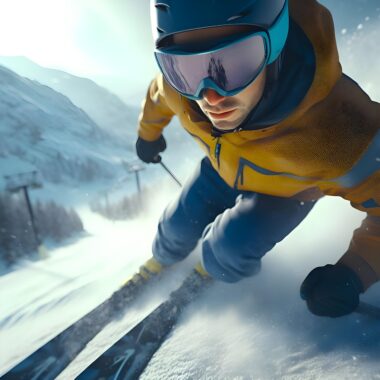
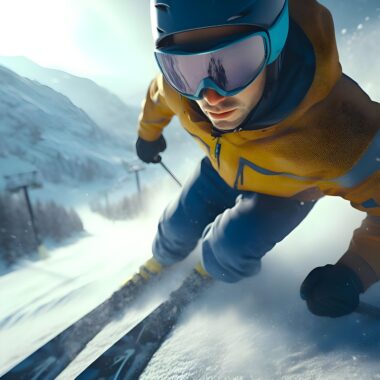
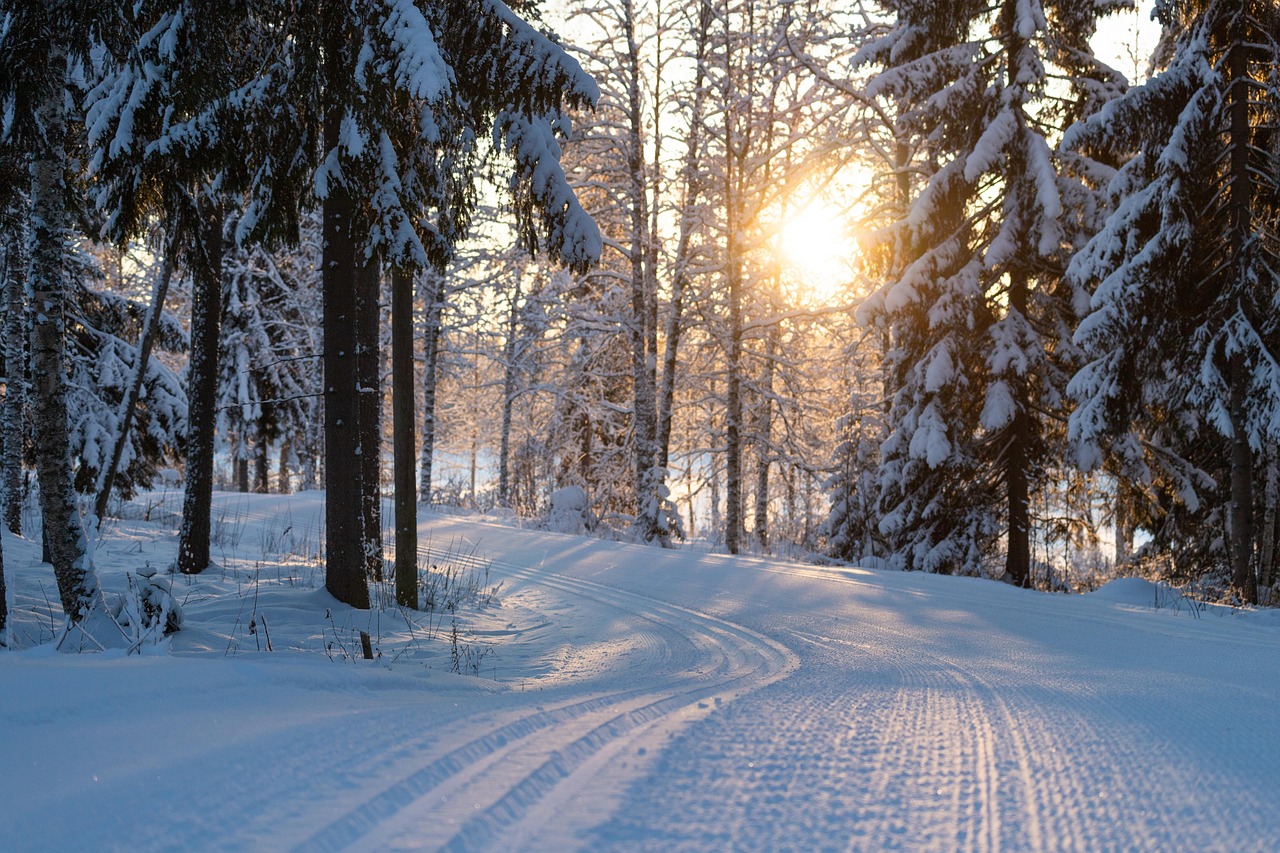
Winter sports photography presents unique opportunities to showcase the thrill and excitement of skiing. To enhance your photos, incorporating ski tracks and trails can add depth and interest to your compositions. These elements provide context, lead the viewer’s eye, and create a sense of movement in the image. Look for clean, well-defined tracks that can frame your shot, adding dynamic lines that guide the viewer’s gaze through the scene. When composing your shot, consider the rule of thirds by positioning the tracks off-center, which can create a more compelling visual narrative. Utilize the surrounding landscape to complement the ski tracks. Mountains, trees, and snow textures serve as ideal backdrops that elevate the overall aesthetic of the photograph. Pay attention to the light; early morning or late afternoon sunlight can cast stunning shadows that enhance the detail in the snow. Experiment with different angles and perspectives to capture the athleticism of skiers while showcasing the unique characteristics of the tracks. Remember, the goal is to tell a story through your visual imagery while highlighting the beauty of winter sports.
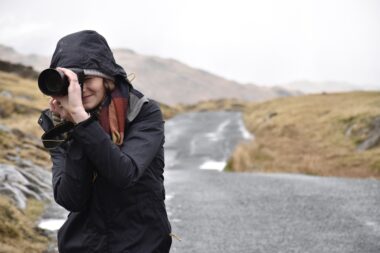
Preparation is essential when it comes to shooting winter sports, particularly if you want to include ski tracks and trails. Begin by selecting the right gear; ensure your camera is equipped with weatherproof housing and that you have quick-access settings for changes in lighting conditions. A tripod may be beneficial for stability, yet many photographers prefer handheld options for their ease of maneuverability during fast action shots. Additionally, you should also avoid bulky clothing that may hinder your movement. Dress in layers and ensure that your gloves allow dexterity to operate your camera effectively. Scout locations in advance if possible, looking for picturesque terrains with ski trails that offer unique characteristics, such as abrupt turns or smooth contours. Try to choose locations that have spectacular backdrops; successful winter sports compositions usually contrast the vibrancy of skiers against a stark, white landscape. Flexibility in your shooting schedule is essential, as weather conditions can change rapidly in mountainous terrains, affecting both your approach and the overall mood of your shots. With proper preparation and adaptability, capturing stunning photographs becomes much more attainable.
Utilizing Composition Techniques
Incorporating ski tracks into your winter sports photography requires an understanding of composition techniques that highlight these trails effectively. Start by using leading lines; ski tracks naturally create lines in the snow that draw the viewer’s eye toward the main subject, whether it’s a skier racing downhill or a tranquil mountain view. Additionally, aim to fill your frame with elements that tell a story. Moreover, include foreground elements, such as trees or rocks, that can create layers and add depth to your shot. Try utilizing wide-angle lenses to capture an expansive view of the scene, which brings more of the landscape and the tracks into focus. Avoid cluttered backgrounds; clean, unobstructed views help emphasize the elegance of the trails. When photographing action shots, blend dynamic movements of skiers with the static nature of tracks, creating a juxtaposition of motion and stillness. Don’t forget to play with perspective; sometimes a lower angle can provide a unique perspective of the tracks that emphasizes their intricate patterns. Experimenting with different compositions can dramatically change the impact of your final images.
Lighting in winter sports photography plays a vital role in determining the mood and impact of your images. Golden hour, which occurs shortly after sunrise or before sunset, offers a magical glow that can transform ski tracks into a beautiful focal point. Be mindful of how harsh midday sunlight can create high contrasts, making your images overly bright or causing shadows to lose detail. Cloudy days can also provide diffused light, perfect for capturing soft textures in the snow. Utilize polarizing filters to reduce glare from the snow, which can improve color saturation and detail retention. When composing your shots, consider the angle of the sun; sidelight can reveal textures in the snow and enhance the contrast between the tracks and surrounding areas. Look for shadows cast by the ski tracks that create visual interest and intrigue in your image. High dynamic range (HDR) imaging can also be considered when attempting to capture a broad spectrum of tonal values. With smart use of light, your photos can beautifully celebrate the artistry of winter sports.
Post-Processing Tips for Ski Photography
Post-processing can significantly enhance your winter sports photography, particularly when it comes to ski tracks and trails. Using software like Adobe Lightroom or Photoshop, you can refine your images and make those tracks stand out prominently. Start by adjusting the exposure to ensure that the bright whites of the snow and the detailed shadows of the tracks are visible. Play with contrast settings to enhance the details within the ski trails. Consider utilizing the clarity and texture sliders to emphasize the intricate details of the snow, providing a crisper appearance that attracts the viewer’s attention. Additionally, color correcting can enhance the blue tones often found in winter imagery, making your photos more vivid and engaging. Sharpening the images will also lend a bit more definition to the tracks. Batch processing can save time if you’re dealing with numerous images. Use presets to maintain consistency across your shots, but ensure that each image preserves its unique characteristics. With thoughtful post-processing, the final result will showcase the beauty and excitement of winter sports photography effectively.
Incorporating ski tracks and trails into your photography not only adds visual interest but also tells a story about the experience of winter sports. While capturing the essence of skiing and the majestic landscapes, it’s essential to remain aware of the health of the environment. Always shoot responsibly by ensuring you’re not disturbing the natural landscape or wildlife in the area. Consider sticking to established trails and avoid trampling untouched snow whenever possible. Sustainable winter sports photography emphasizes the beauty of snow-covered mountains while also raising awareness about the impact of human activities on nature. Educate yourself about local regulations pertaining to where you can freely shoot. Engage with local skiing communities for insights on respecting their terrain while capturing their passion for the sport. By merging photography with environmental stewardship, you enrich your experience, making it all the more meaningful. Through this conscious approach, the photographs gained become not just memories of action but also representations of the regions that nurture winter sports communities year after year.
Conclusion
Winter sports photography, particularly when capturing ski tracks and trails, presents numerous opportunities for visual storytelling. By understanding essential concepts such as composition, lighting, and post-processing, you can create compelling images that not only document the experience but also showcase the beauty of the snowy landscapes. From planning your shoots around favorable conditions to being mindful of environmental impact, each action contributes towards heightening the overall quality of your photography. Remember to be patient and continue experimenting with various techniques and styles. There is no single “right” way to capture winter sports; this allows for creative exploration, letting your artistic vision shine through. Whether you’re an amateur enthusiast or a professional photographer, the joy of blending sports with photography lies in the stories each photograph can tell. Treasure the moments you capture on camera, for every photograph serves as a bridge connecting viewers to the exhilarating world of winter sports, dotting the pristine white expanses with dynamic ski tracks that speak volumes. May this guide inspire your photographic adventures on the snowy slopes this winter.