
Setting Up Your Own Skate Spot: Legal and Practical Considerations
Creating a dedicated skate spot can provide immense joy and satisfaction for skateboard enthusiasts. However, it’s essential to understand the legal implications first. Establishing a skate spot involves ensuring that the location complies with local laws and regulations. Begin by checking with your local authorities to ascertain any zoning laws that may affect your plans. Consider potential permits required for construction or modifications, including accessibility for skaters of all skill levels. Further, look into liability insurance, as it can protect you in the event of accidents or injuries occurring on your property. It’s wise to consult legal experts familiar with sports recreation areas. Make sure to research existing skate spots in your area, as these locations often have established guidelines. Understanding community needs will assist in promoting the skate spot for public use. Thus, an essential aspect is also fostering community involvement. Hosting local meetings may encourage skaters to share ideas and contribute thoughts to the design process. Collaborating with the community enhances compliance and improves acceptance. Ultimately, engaging legal framework and community input is vital for your skate spot’s success.
Designing the Perfect Skate Spot
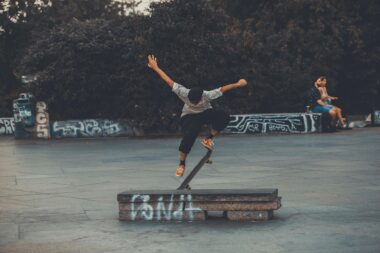
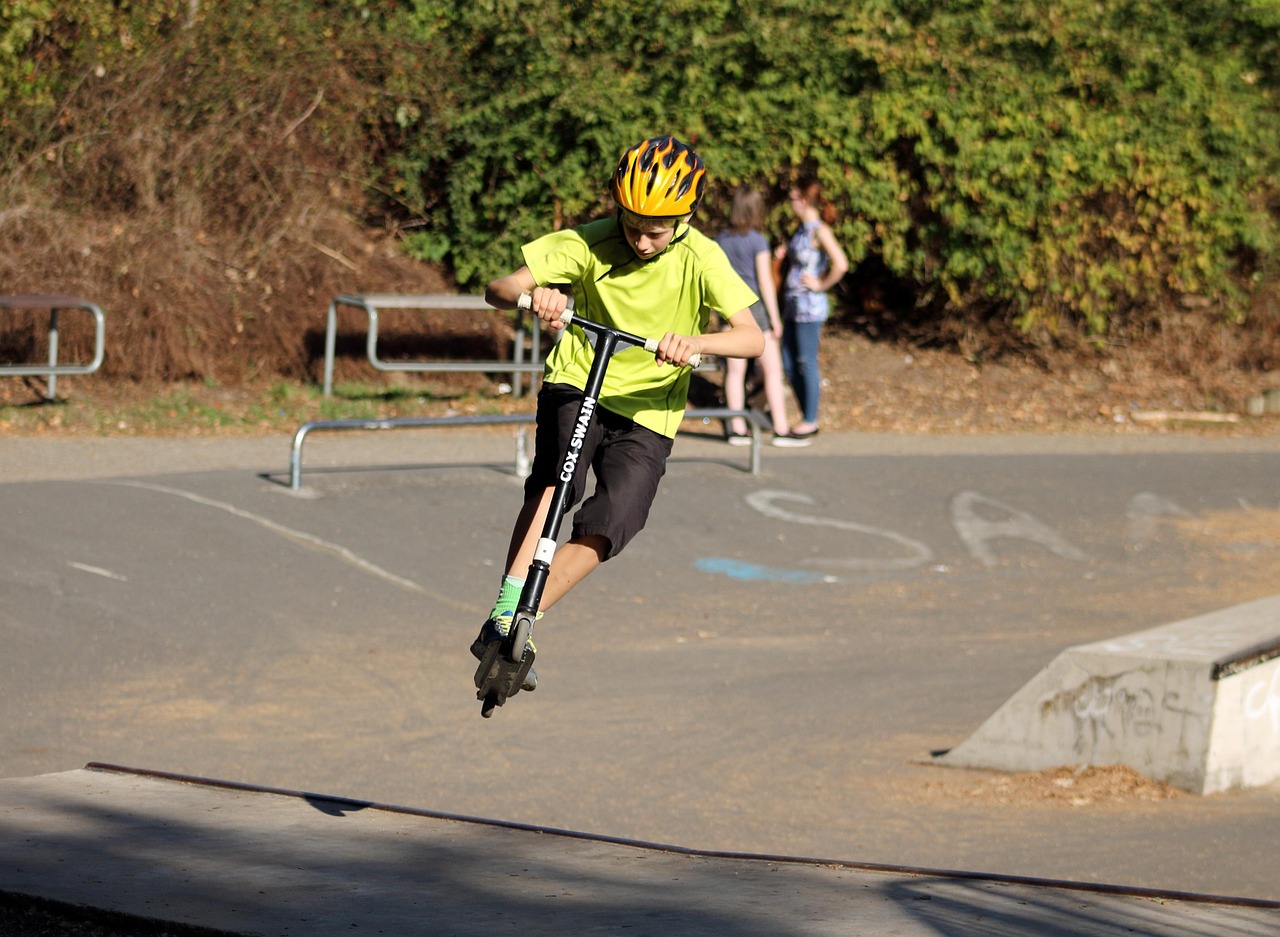
After understanding legal considerations, focus on designing a functional area that caters to skaters. Start by assessing the specific types of skating you’ll promote, whether it’s street skating, vert ramps, or bowl styles. Good design should be adaptable and usable for skateboarders at all levels. High-quality materials are essential for durability—concrete or wood should be used. Furthermore, effective layout planning is crucial to ensure safety and maximized space potential. Flow is the concept of connecting different elements smoothly enhances the overall skate experience. Patience is required during the design phase, as utilizing feedback from expert skaters can provide valuable insights into their preferences. Research popular skater trends to gauge the features that may attract more enthusiasts. Elements like ledges, rails, and ramps should be well-distributed across the site, allowing for lesser crowded areas. An iconic design can also thrive through unique features, such as funboxes or creative sculptures, providing inspiration to local skaters. Don’t forget about amenities like seating areas, shade structures, or restrooms to enrich the overall experience for visitors. Ultimately, thoughtful design increases your skate spot’s appeal.
Moreover, integrating sustainability practices into the skate spot design is becoming increasingly important. Emphasizing eco-friendly materials or potentially using recyclable plastics can extend the skate spot’s appeal across generations. Not only does sustainability benefit the environment, but it also resonates with the expanding community of environmentally conscious skaters. Return on investment is another vital consideration for a successful skate spot, so it should balance budget constraints while featuring creative, functional elements. Invite feedback from the skating community throughout the construction process; an inclusive approach ensures diverse voices contribute to the design, making it truly representative of its users. Be sure to account for maintenance costs as well, as these may accumulate over time. Regular upkeep is necessary to prevent safety hazards. Building relationships with local businesses can also provide sponsorship opportunities or assistance with maintenance costs. They may offer equipment or financial aid for upkeep projects. Engaging the community in regular skate clinics or events can help maintain excitement and user engagement at the spot, fostering continuous interest over time. Ultimately, creating an optimal skating area demands ongoing commitment and collaboration with various stakeholders.
Community Engagement for Your Skate Spot
Community participation is paramount during the planning and execution stages for your skate spot. Getting local skaters involved will cultivate a sense of ownership and pride, motivating them to care for their space. Start with outreach initiatives to gather input and enlisted community members to help spread awareness about your project. Collaboration can extend to local organizations or schools, particularly those with youth programs that highlight skating activities. By creating a robust community network, you can make the spot more appealing and possibly gain moral support, which is invaluable during legal processes. Organizing events, such as community gatherings or skate demos, can effectively generate excitement and participation. A strong engagement strategy may involve utilizing social media to provide updates about the process and garner ongoing interest. Additionally, allowing local skaters to contribute ideas or design elements may establish a committed community that remains active for years ahead. This sense of belonging encourages younger generations to take ownership as well, ensuring the longevity of the skate spot. As participation multiplies, invite skaters to assist with clean-up events, helping to foster a collaborative spirit, allowing the skate community to feel connected and valued.
Marketing your skate spot effectively is essential for attracting skaters and potential sponsors alike. Develop a social media presence showcasing the progress of the construction and emphasizing upcoming events. Engaging visually appealing content can help spark interest and encourage potential visitors. Consider utilizing platforms like Instagram, Facebook, and TikTok to disseminate live updates and share exciting footage of skaters trying various elements of the area. Collaborating with local skateboard influencers can establish credibility and drive traffic, helping your venture gain popularity. Sponsoring local events or competitions may also build momentum, showcasing the skate spot as a hub of activity and excitement in the community. Networking with local businesses can promote cross-promotion, mutually benefiting both parties in securing sponsorships, referrals, and collaboration on events. Testimonials from initial users will also encourage positive feedback about the environment. These stories can effectively help market the spot further. Be sure to keep your community involved in ongoing promotional efforts. Sharing user-created content will not only enhance the community feel but also help draw interest from different audiences, broadening your skate spot’s appeal and increasing foot traffic.
Safety and Maintenance Considerations
Ensuring the safety of skaters at your location is of utmost importance. Begin by adhering to any safety guidelines outlined by local authorities and ensuring adequate signage in and around the area. Regular maintenance checks should be scheduled to address vulnerabilities or wear. Inspect ramps, rails, and other skate features regularly to prevent accidents that can stem from neglect. Setting up a safety committee composed of experts in skating can be beneficial for offering insights into necessary attributes of a secure environment. Establishing clear rules and protocols regarding the activity at the spot can enhance a culture of accountability among visitors. Require waivers for participation to provide a layer of legal protection. Ensure that local first aid resources or personnel are aware of your skating area’s location and that medical assistance is readily available in emergencies. Consider emergency response training for volunteers or involved community members to prepare them in case of accidents. Furthermore, hosting safety clinics can educate and empower skaters about safe practices and injury prevention. Engaging in regular safety discussions with the community fosters a culture of responsibility and respect for one another’s safety while enjoying the skate spot.
In conclusion, establishing a successful skate spot requires a multifaceted approach, emphasizing legal considerations, design, community engagement, and safety protocols. The collaborative process influences the development of a space that not only serves as a recreational area but also fosters relationships and builds community. By integrating the feedback of skaters at various stages, you create a design that reflects their desires and promotes inclusivity. Sustainability should play a role in ensuring that your spot remains environmentally responsible while serving its users for the long term. Marketing initiatives elevate community participation and draw in skaters and sponsors, creating a vibrant atmosphere. Remember to prioritize safety through engagement and appropriate maintenance that instills a sense of trust among skaters. As your spot becomes a thriving center for skating culture, it will be essential to monitor its initial phases to ensure it meets community needs effectively. Ultimately, your skate spot should evolve based on active dialogue with the skating community, ensuring it remains relevant, engaging, and is consistently cherished as their preferred location for skating.