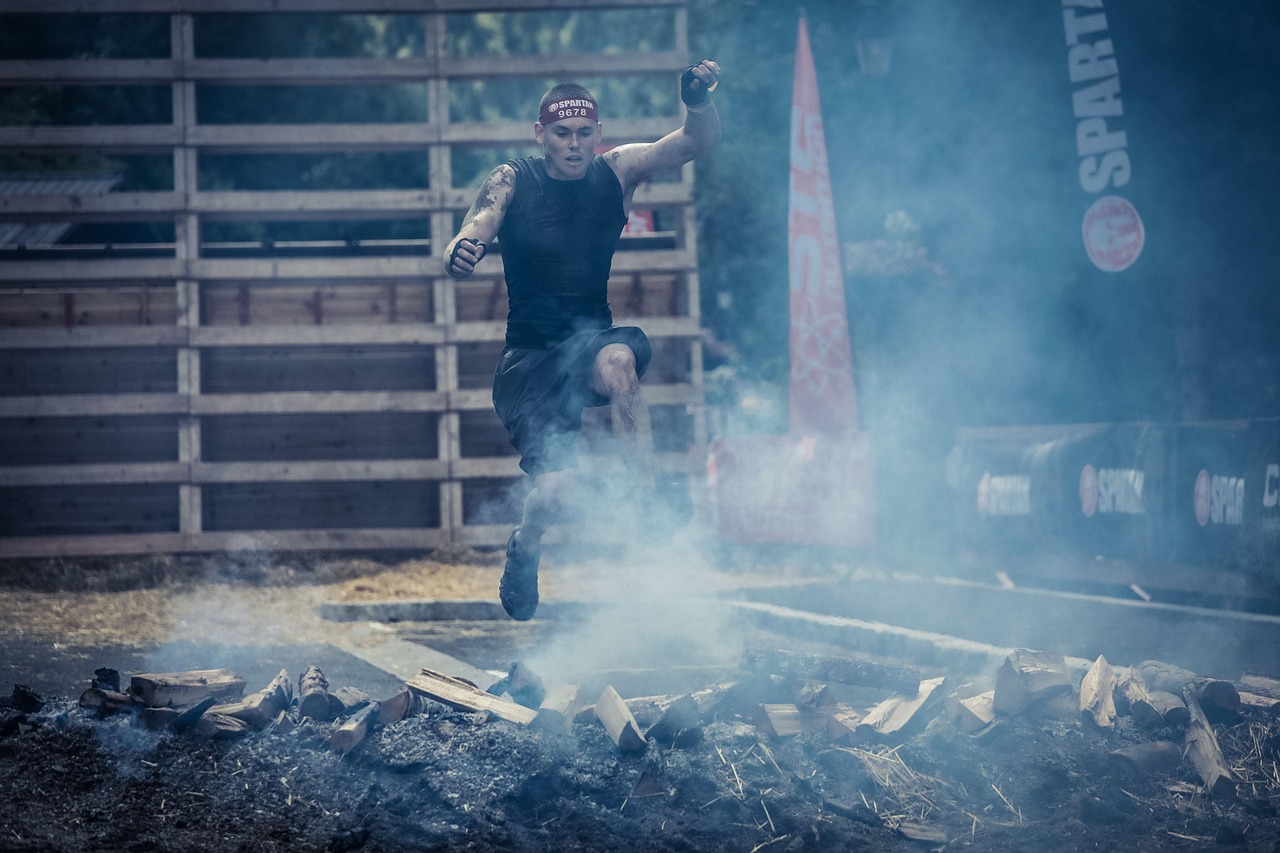

Successful Partnerships Between Nonprofits and OCR Fundraisers
Obstacle Course Racing (OCR) has become a remarkable endurance sport with a growing number of participants, which provides unique fundraising opportunities for nonprofits. Collaborations between OCR organizations and nonprofits can produce significant benefits, fostering community engagement while also increasing awareness for various causes. These partnerships not only draw participants interested in fitness but also contribute positively to local charities and organizations focused on important social issues. Fundraisers utilizing OCR events can engage friends and family to support their efforts, creating a direct nexus between physical activity and charitable contributions. By offering exciting experiences where participants navigate through various challenges and races, nonprofits can engender a competitive spirit that encourages participants to raise funds for their designated causes. Many nonprofits find that the adrenaline and community camaraderie associated with OCR events motivate individuals to contribute generously, often exceeding traditional fundraising limits. Furthermore, the sense of achievement tied to completing challenging obstacles inspires others’ support and participation in similar future events, thus creating a continuous cycle of engagement and fundraising for the nonprofit sector. Establishing effective partnerships can drive not just funds but also enduring relationships between participants and the cause they support.
Effective partnerships between nonprofits and OCR fundraisers hinge on strategic planning and mutual objectives. Nonprofits must identify OCR events that align with their mission, ensuring the partnership highlights shared values. Promoting the event through various channels, such as social media, email newsletters, and community events, boosts visibility. Nonprofits can utilize storytelling techniques that showcase personal stories affecting the cause to inspire potential participants, creating emotional connections that encourage action. Engaging volunteers who can assist in event coordination fosters community involvement and enhances event success. It’s key that organizations utilize clear messaging when promoting their partnership, focusing on the goal of raising funds to effect change. Offering incentives or rewards for participants who meet fundraising goals adds an element of competition and fun that can motivate others to join. Nonprofits can also benefit from showcasing their impact and success stories during the event to further engage and inspire current and future supporters. OCR race events provide a perfect platform for these organizations to connect with their supporters, further strengthening the cause and ensuring a sustainable future for the nonprofit industry.
Leveraging Social Media for Promotion
Social media plays a crucial role in amplifying the reach of OCR fundraiser events for nonprofits. Platforms like Facebook, Instagram, and Twitter enable nonprofits to weave narratives around their causes, attracting broader audiences. These platforms allow for interactive campaigns, where participants can share personal stories regarding their motivations for joining or fundraising. This engagement creates a community aspect, encouraging others to participate in not just the event but supporting the associated nonprofit as well. Utilizing hashtags related to the race and the cause can help expand visibility beyond the immediate circle, allowing new people to discover the event and its mission. It’s effective to create dedicated event pages or profiles where interested participants can learn about fundraising goals, read about the organization, and sign up for updates. Collaborating with influencers or locally known athletes who promote the event can increase credibility and attract additional participants. Highlighting participant journey stories along with the amounts raised emphasizes the impact of collective effort and communal support, translating to larger crowds and more funds for participating organizations.
Successful OCR fundraising events often incorporate creative elements to enhance the race experience and encourage fundraising. Incorporating themes for the OCR events adds an engaging twist that attracts more participants, perhaps even involving costumes or unique challenges aligned with the cause. Nonprofits should consider integrating colored race bibs or t-shirts that represent different fundraising tiers, motivating runners to achieve certain goals for additional recognition. Additionally, live music or entertainment at the event can appeal to non-racers, drawing in family members and friends of participants, creating a vibrant atmosphere that promotes further fundraising opportunities. Post-event celebrations, such as awards ceremonies, provide attention to top fundraisers, encouraging competition and support among participants. Offering additional challenges or smaller competitions during the event can raise more funds and increase engagement levels. Nonprofits can also host impactful ceremonies recognizing significant contributions, showcasing their appreciation for the support while deepening relationships with participants and attendees. These creative aspects directly contribute to ensuring that more people are excited to not only participate but also support the cause being represented.
Building a Supportive Community
At its core, OCR racing fosters a supportive community, which is essential for both racers and participating nonprofits. By encouraging local community members to join forces for a shared mission, organizations can establish a solid support network that will pay dividends well beyond the event itself. Participants often express feelings of camaraderie and mutual accomplishment, helping them form lasting connections with others who share their determination and dedication. Nonprofits can further capitalize on this network by continuing engagement with participants after the race through follow-up communications. This may involve sending thanks to participants, sharing event highlights, or updating them on the impact of their fundraising efforts. These relationships cultivate a loyal base of advocates who may continue to support the organization in various capacities, whether through donations, volunteering, or increasing awareness among their networks. Creating opportunities for participants to engage with the nonprofit in other ways, such as volunteering or attending future events can significantly enhance the sense of belonging and deep commitment to the cause they are supporting.
Evaluating the success of OCR fundraising partnerships is crucial for future endeavors. Nonprofits should analyze the performance of each event, identifying critical metrics such as total funds raised, participant feedback, and community engagement levels. Understanding the motivations of participants and any challenges encountered offers insight for improving future events. Surveys can be instrumental in gathering honest participant feedback, allowing organizations to adapt their strategies for better outcomes. It is equally important to recognize what aspects of the event were successful to build upon those strengths in the future. Collecting stories and testimonials also provides valuable qualitative data that can be leveraged in marketing future events. Measuring and reporting success not only encourages transparency but also helps build trust with current and potential donors. In addition, these evaluations can assist nonprofits in articulating their impact more effectively, providing compelling reasons for people to continue supporting their missions in the future. Analyzing these experiences ensures that the partnership evolves positively, ultimately benefiting both the nonprofit and its OCR fundraising partners in the long run.
Creating Lasting Partnerships
Ultimately, the key to successful OCR fundraising partnerships lies in a strong foundation of communication, shared goals, and mutual respect. Nonprofits must actively listen to OCR organizations and provide them with valuable input to create a collaborative environment. Establishing joint objectives that are beneficial for both parties is essential, ensuring that both organizations feel they are gaining something from the effort. Regular meetings and check-ins throughout the planning process can help to maintain alignment and enthusiasm. Mutual recognition of accomplishments and contributions reinforces commitment, leading to stronger bonds and long-term collaboration. It’s critical that both parties maintain accountability to their commitments, which adds to reliability that event success is based on shared responsibility. Exploring additional collaborative initiatives post-event can also solidify strong partnerships, opening opportunities for more comprehensive programming or additional fundraising. The evolution of partnerships is a pivotal factor in maintaining momentum and engagement beyond initial fundraising efforts. By fostering these long-lasting relationships, nonprofits and OCR organizations can continue to impact their communities substantially and drive awareness for important causes effectively.
In conclusion, successful partnerships between nonprofit organizations and OCR fundraisers serve various purposes. They create engaging platforms for community involvement while raising substantial funds for vital causes. These collaborations give participants an opportunity to join active lifestyles while also feeling proud of supporting a mission that resonates with them. Integrating creative elements, promoting community engagement, and utilizing effective communication strategies ensure that these partnerships thrive, benefitting both the participant community and the nonprofits involved. As OCR continues to grow in popularity, these partnerships will expand, leading to even more opportunities for nonprofits to raise awareness and funds. By cultivating a supportive environment focused on mutual goals, nonprofits and OCR organizers can develop both successful events and long-lasting relationships, creating holistic ecosystems where everyone contributes to shared objectives. Building strong foundations, evaluating past performances, and adapting to feedback will ultimately enhance future event endeavors. Therefore, both nonprofits and OCR fundraising partners have the potential to foster communities that champion charitable causes effectively while promoting physical fitness and personal achievement among participants.