
The Best Core Training Routine for Beginner Teens
Core training is essential for building a strong foundation in fitness, particularly for teens starting their exercise journeys. Engaging your core helps enhance balance, stability, and posture. It is vital for supporting athletic performance in various sports. Many beginner teens may lack knowledge about effective core workouts. This article aims to provide a comprehensive guide to core training that is suitable for teenage beginners. Prioritizing safety and technique is crucial, ensuring the exercises performed are appropriate and beneficial. Always consult a fitness professional or coach when beginning any new workout regimen to avoid injury. As the core is a complex area that includes major muscle groups, such as the abdomen, lower back, and obliques, it’s important to have a holistic approach towards training. Having a schedule or routine at hand can significantly improve motivation and adherence. When starting a core routine, gradually increase intensity as strength improves. Fun and variation should characterize sessions to keep engagement high. Always remember that consistency is the key to any fitness goal, leading to visible improvements over time. Regularly tracking progress can provide significant motivation to continue this essential training.
Essential Core Exercises for Teens
To create a balanced core training routine, various essential exercises focus on different areas of your core. Here are some effective exercises beginners can incorporate:
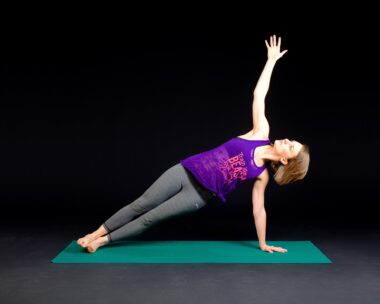
- Planks: A superb exercise for building base stability.
- Russian Twists: Engages the obliques while enhancing rotational strength.
- Leg Raises: Targets the lower abdominal area effectively.
- Bird Dogs: Excellent for connecting the upper and lower body while enhancing balance.
- Supermans: Focuses on the lower back for overall core health.
It is crucial that teens perform these exercises with proper form and control, paying close attention to alignment and breathing throughout. Starting with three sets of eight to twelve repetitions can be a great way to begin. Set realistic goals and ensure that the training feels enjoyable rather than daunting. Incorporate variety within the routine to prevent boredom while exploring different methods for core strengthening. Remember to combine core work with overall fitness training, along with flexibility and cardiovascular health to achieve well-rounded athletic development.
In order to maximize effectiveness, ensure that each core training session incorporates a warm-up and cool-down. Warming up sufficiently preps the muscles and reduces the risk for injuries, particularly for growing teens. Activities like gentle dynamic stretches can be helpful, ensuring blood flows adequately to the muscles that will be worked. After completing the core exercises, transitioning into a cool-down routine is equally important. It allows muscles to relax and facilitates recovery after exercise. Including stretches that focus specifically on the core region helps in maintaining flexibility. It also aids in preventing stiffness that could follow intense training sessions. Keeping a hydration routine in mind also aids in performance; staying hydrated is vital throughout the workout. For teens especially, learning about proper nutrition and recovery strategies can support an active lifestyle. Encourage your teen to listen to their body, noting when they feel fatigued. Taking rest days can be critical to allow muscles adequate time to repair and grow stronger. Incorporating such routines sets a solid foundation not only for core strength but for enjoyment and sustainability in long term fitness.
Structuring the Core Training Routine
When structuring a core training routine, it’s essential to adhere to a schedule that accommodates recovery and progression. Beginners should aim for two to three times a week, allowing ample space between sessions. Your core training should include a variety of exercises targeting different muscle regions, ensuring a more holistic approach. A sample routine could start with a warm-up, followed by the primary workout phase, consisting of selected core exercises. This can then be followed by cool-down stretches designed for relaxation and flexibility. Setting goals for each session can help instill motivation, whether it’s completing a certain number of repetitions, improving form, or gradually increasing the time held during specific exercises. Tracking progress through a journal can also help build accountability and highlight improvements over time. It’s helpful to be flexible within a structured plan so that adjustments may be made according to any arising challenges or accomplishments. Ultimately, finding joy in exercise by making it fun and diversified can significantly boost engagement for beginner teens embarking on their core training journey.
Incorporating core training into sports and physical activities is also beneficial for teens involved in various athletic practices. A strong core translates to improved performance in activities such as running, swimming, and team sports like soccer or basketball. The ability to stabilize the body while engaging in dynamic movements can significantly reduce injury risks and enhance overall athletic abilities. Playing different sports naturally engages core muscles, but focused exercises specifically targeting the region can set an athlete apart from their peers. It is important for teens to realize that every peak performance is supported by a strong core; thus, regularly integrating core workouts into their training is crucial. Gathering friends or teammates to work out together can also foster a fun social environment and adds to the enjoyment of exercising. Encouragement from peers can motivate teens to push themselves further. Coaches should emphasize core strength not only for their long-term success but for immediate gains noticed right away in practice scenarios. The influence of core strength extends beyond playing fields, reinforcing the importance of maintaining a balanced lifestyle powered by core workouts.
Safety Tips for Core Training
Safety precautions during core training cannot be overlooked, especially for beginner teens unsure about proper techniques. It’s essential to focus on form and control to prevent injuries and ensure all exercises are performed effectively. Always start with a beginner level before progressing to ensure that the body is prepared to handle advanced movements. Engaging a trusted coach or fitness expert when initiating a new routine is advisable, as they can provide hands-on corrections and feedback. Ensuring an appropriate workout space with adequate room to perform each exercise can minimize risks during routines. Remind teens to stay attuned to their bodies, and if any discomfort arises during an exercise, they should stop immediately and reassess their form or select an alternate exercise. Maintaining an environment that encourages open communication about pain and discomfort fosters a more supportive training atmosphere. Regularly reassessing training routines is also essential in providing teen athletes with the best experiences, adjusting as necessary to ensure they’re continually challenged yet safe within their workouts.
For teenage athletes venturing into core training, it can also be beneficial to observe successful models. This could involve looking into professional athletes or trainers who share insights into their training regimens. Social media platforms can showcase various workouts and exercises suited to core training, inspiring teens to adopt similar practices. Follow accounts or pages dedicated to fitness can build a positive community around exercise, further encouraging participation among peers. Engaging in challenges or group workouts can also provide added motivation and accountability. Participation in fitness-related events like community sports days promotes excitement, ensuring teens remain active. Additionally, investigating modern applications available for workout tracking can assist in building a personalized approach to fitness. Such applications often provide guided videos, community challenges, and nutrition tips tailored to youth. Creating partnerships with fitness organizations can also provide programs specifically targeted for adolescent development. This creates a supportive journey to building core strength while fostering overall health. Adopting these practices will cultivate a productive and enjoyable experience leading to long-lasting habits.
In conclusion, core training forms an essential part of building fitness for beginner teens. The benefits of having a strong core extend beyond simply aesthetics; they lay groundwork for improved performance in various physical activities, promoting a more active lifestyle. Developing a routine that is enjoyable yet focused on safety will ensure teens remain engaged and motivated throughout their fitness journey. Remember, it is vital that this training be integrated consistently into their lives, allowing for gradual improvements to be seen over time. Incorporating core exercises enhances physical health while fostering mental discipline and resilience. By combining education on healthy lifestyles, proper training schedules, nutritional guidance, and social support, we can help teens build a solid foundation for future fitness endeavors. Core strength influences all aspects of daily life, thus providing immense long-term value beyond just sports. Being mindful of progress, celebrating little victories, and maintaining a sense of enjoyment when working out will help foster a consistent practice. Encourage teens to keep exploring different methods, finding what works best for them, and enjoying their activities while focusing on developing that ever-important core strength.