
Transverse Abdominis: The Deep Core Muscle Explained
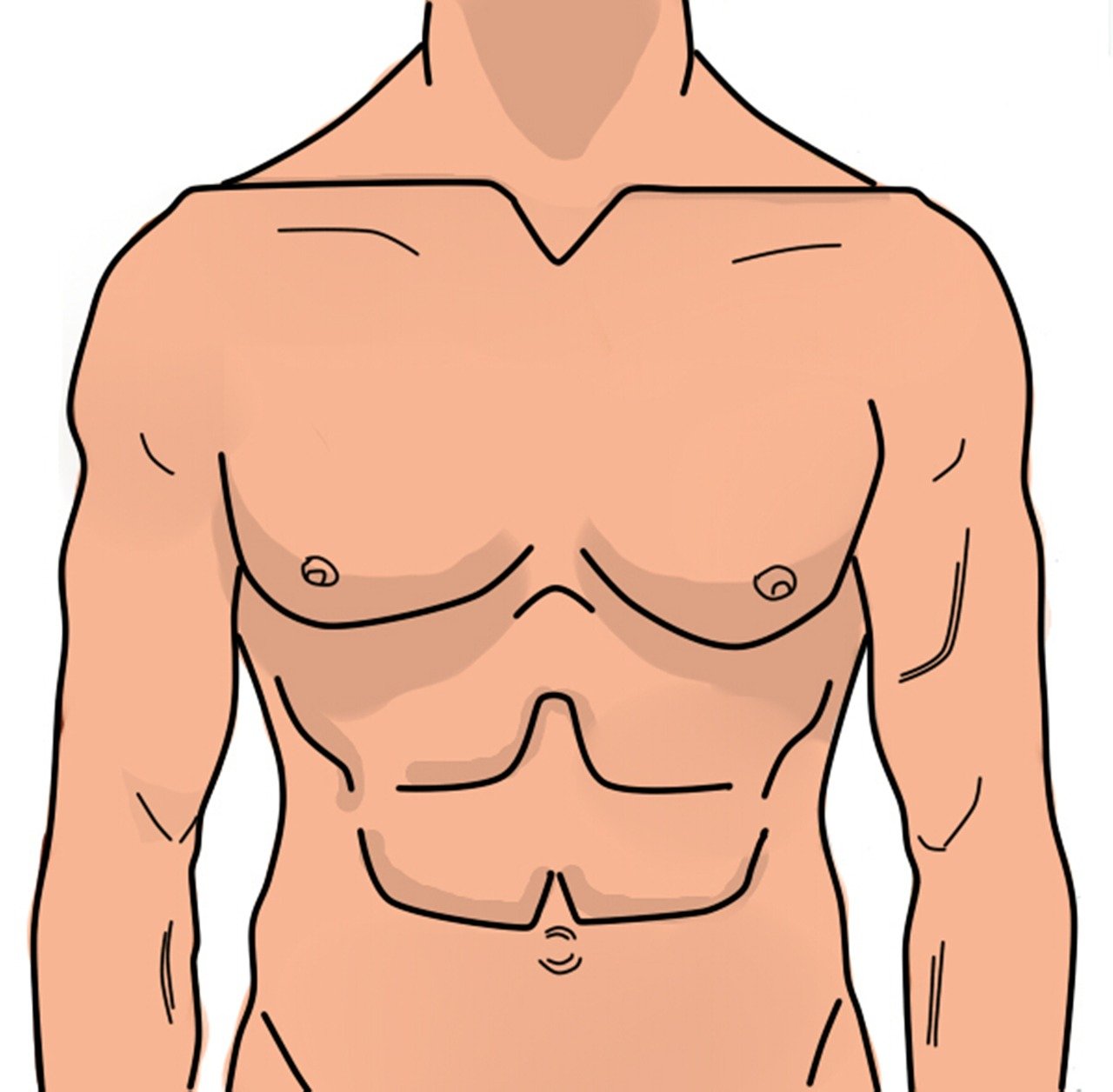
The transverse abdominis (TA) is one of the most crucial muscles in the human body. It plays a vital role in core stabilization and support. Unlike the superficial muscles, the TA is a deep core muscle, lying beneath the rectus abdominis, also known as the six-pack muscle. The TA’s structure is unique, featuring a horizontal fiber alignment that enables it to act like a natural weightlifting belt. When engaged, it compresses the abdominal contents and provides vital support for the spine. This is why it is so important for maintaining good posture and preventing lower back pain. Additionally, the transverse abdominis helps stabilize the pelvis during movement, playing a key role in various athletic activities. Training this muscle is essential for anyone looking to improve their overall fitness, strength, and athletic performance. Inadequate activation of the TA can lead to poor movement patterns and, ultimately, potential injuries. Understanding how to strengthen and properly engage this vital muscle can boost your fitness journey significantly. Effective exercises will enable you to develop a safe and strong core.
Functions of the Transverse Abdominis
The transverse abdominis serves several important functions that contribute to the overall stability of the core. Firstly, it significantly helps in protecting the spine by providing a strong support system. When we perform movements that require heavy lifting or twisting, the TA contracts to brace the spine, ensuring that we maintain proper alignment and reduce the risk of injury. Secondly, it assists in intra-abdominal pressure control. This means that when we breathe or exert force during activities, the TA engages to stabilize internal organs and maintain equilibrium. Additionally, the transverse abdominis is heavily involved in pelvic stability, especially during dynamic movements such as running or jumping. Because of its role in core mechanics, strengthening this muscle can enhance athletic performance. Athletes of all kinds greatly benefit from targeting the TA through specific exercises to ensure that every move is efficient and powerful. Lastly, integrating TA training into a fitness routine allows for better breathing mechanics, promoting efficient oxygen usage during strenuous activities. Consequently, developing this muscle shouldn’t be overlooked in any comprehensive strength program.
To effectively target and strengthen the transverse abdominis, it’s essential to incorporate various specialized exercises into your routine. One highly recommended method is the plank exercise. As you hold this position, ensure you consciously engage your TA to maintain proper alignment. Another effective exercise is the dead bug, which involves lying on your back while moving opposite limbs in a controlled manner. This helps to isolate and activate the core muscles, including the TA. Keeping proper breathing patterns throughout these exercises is also critical; remember to breathe deeply into your abdomen. Additionally, incorporating Pilates movements focuses on core stability and integrates the TA effectively. Engaging in activities that challenge your core, such as yoga or stability ball exercises, can further enhance your TA strength, ensuring comprehensive core development. Consistency is key; aiming to work on your TA at least a few times a week can yield significant results over time. Beyond just aesthetics, a strong transverse abdominis contributes to functional strength in daily activities, from lifting heavy objects to maintaining a healthy posture throughout your day. So embrace these exercises and enjoy their benefits.
Common Mistakes in Engaging the TA
While many individuals recognize the importance of the transverse abdominis, there are prevalent mistakes made in trying to engage this muscle effectively. One common error is relying too heavily on superficial muscles, such as the rectus abdominis or obliques. This often leads to improper activation of the TA and reduces the overall stability of the torso. Furthermore, many people do not engage their TA sufficiently before initiating movements, leading to suboptimal core bracing. Instead of focusing on the gentle, controlled contraction necessary for TA activation, individuals may overexert themselves, potentially introducing unwanted force into the spine. It’s vital to ensure that your breath is coordinated with your movements; holding your breath disrupts the natural engagement of the core. Lastly, another mistake is neglecting proper technique during exercises. Placing too much emphasis on speed and intensity rather than quality can reduce the effectiveness of the workout. Focusing on maintaining a neutral spine and ensuring correct posture will offer more benefits than speeding through the exercises. Educating yourself and practicing mindful engagement are crucial steps toward maximizing your core training efforts.
Breathing techniques play a significant role in effectively engaging the transverse abdominis. Many individuals, especially beginners in fitness, may overlook proper breathing when working on core stability. When practicing exercises targeting the TA, it is essential to incorporate diaphragmatic breathing. This technique involves inhaling deeply through the nose, expanding the abdomen, and exhaling completely through pursed lips. This approach encourages full activation of the transverse abdominis while maintaining intra-abdominal pressure. You can practice this while lying down or sitting to become familiar with the muscle engagement process. One technique that combines breathing and core activation is the ‘draw-in maneuver’; begin by taking a deep breath and expand your abdomen. Upon exhaling, draw your belly button toward your spine, focusing on engaging your core muscles. You should feel a noticeable tightening across your torso. Practicing this movement throughout your day can enhance your core control, helping you build awareness of the TA’s role in daily activities. By mastering these breathing techniques, you can promote better core stability and ensure that you’re getting the full potential from your workouts.
Exercises for Transverse Abdominis Activation
There are several specific exercises that can effectively target the transverse abdominis and ensure optimal engagement. The forearm plank is a great starting point; ensure your body forms a straight line from head to heels, and actively draw in your belly button to activate the TA. Another effective exercise is the side plank, focusing on engaging the TA to maintain your position while decreasing the risk of sagging or rotating at the hips. Additionally, incorporating stability ball exercises, like ball passes, can challenge the core and significantly engage the TA. To execute this, start by lying on your back, holding a stability ball. Pass the ball between your hands and feet, engaging the TA each time you lift your limbs off the ground. Bridge exercises are also excellent, where you lie on your back, bend your knees and lift your hips while contracting your core. Always remember to maintain proper form and breathing throughout these exercises. Regularly incorporating these core-focused movements into your training routine can yield noticeable improvements in your core strength and stability.
In conclusion, developing a strong transverse abdominis is essential for overall core stability, injury prevention, and enhanced athletic performance. By understanding the significance of this deep core muscle, individuals can improve their fitness routines with targeted exercises and proper engagement techniques. Remember, the TA’s role extends beyond mere aesthetics; as the foundation for many functional movements, it plays a critical part in everyday activities. Emphasizing correct breathing techniques, mindful engagement, and proper execution of exercises are pivotal in maximizing the benefits of your core training. Engaging the transverse abdominis will benefit not only your fitness journey but will also enhance overall wellness. Assessing your current exercise routine and finding opportunities to incorporate TA-specific training can lead to significant progress. Always prioritize quality over quantity; ensure good form and proper breathing. Lastly, seek guidance from a fitness professional when needed to refine your technique or understand ta engagement in depth. Embrace the journey of core training with enthusiasm and dedication, knowing that each step strengthens your foundation, creating a more resilient and capable body.