
Adjusting Your Inline Skates for Optimal Performance
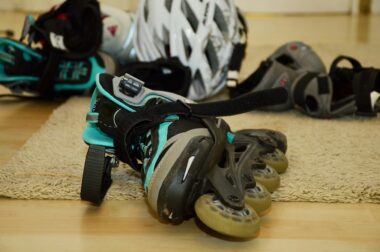
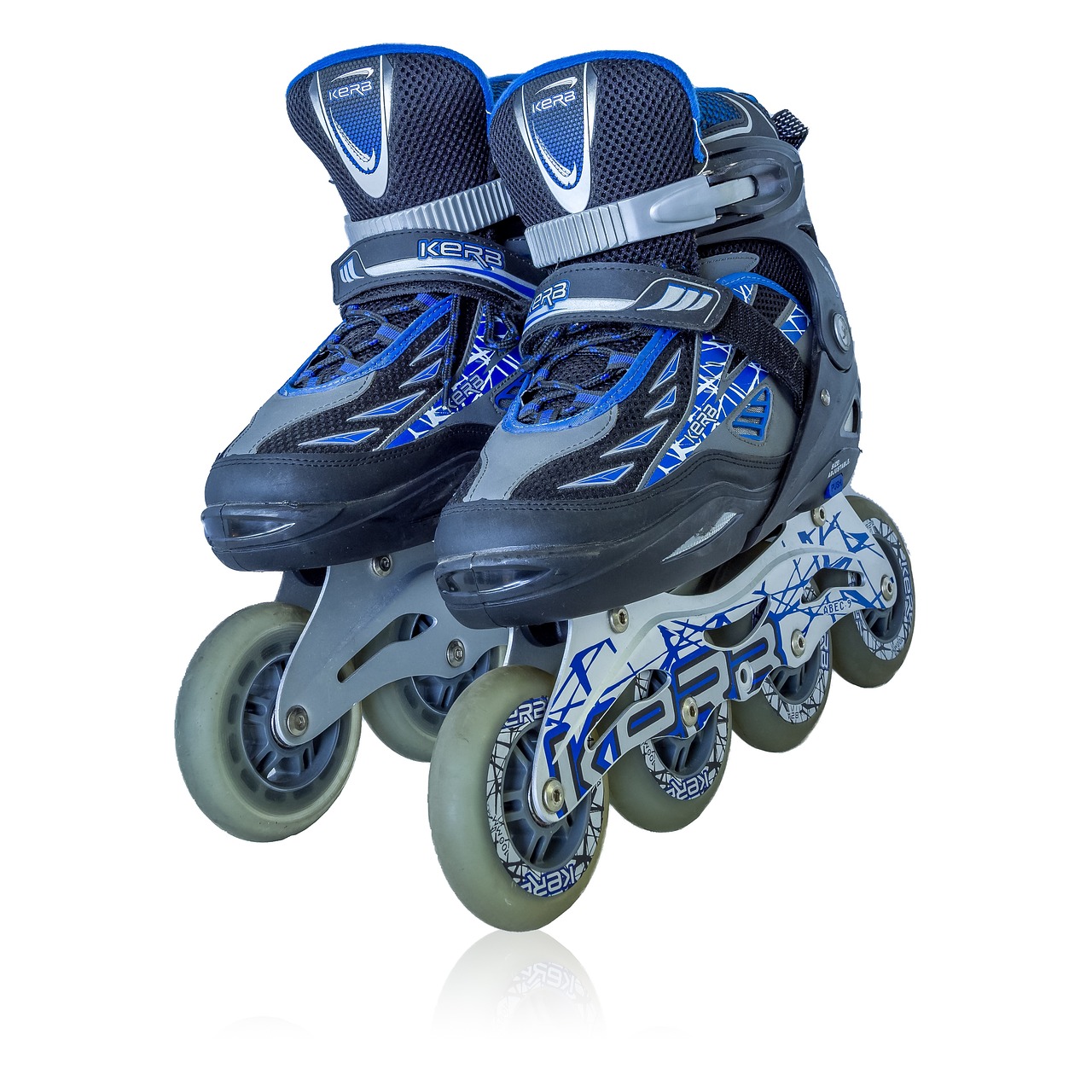
Inline skating is not just a thrilling sport; it’s also an activity that requires precision and comfort to truly enjoy the experience. Properly adjusting your inline skates is essential for achieving optimal performance. When your skates fit well, you not only improve your control but also reduce the risk of injuries. To begin, assess your skates’ components including the buckles, straps, and liner. It’s crucial to ensure that the skates provide a snug fit around both your heel and ankle. Having two types of adjustments — one for the buckles and another for the strap tension — is ideal. Make sure to also inspect your wheels and bearings, as these can significantly impact your ride smoothness. A well-maintained skate will glide more efficiently. In addition to mechanical adjustments, consider wearing the right type of socks. Specialized socks designed for skating can help enhance comfort while minimizing friction. If you are uncertain about any adjustments, consult with a professional or refer to the manufacturer’s manual. Remember, achieving the right fit can elevate your skating experience to a whole new level.
Next, let’s focus on the alignment of your skates. Proper skate alignment ensures that your movements translate into effective performance on various terrains, helping you navigate obstacles easily. When you first put on your skates, check the alignment of the wheels. Inline skates generally have three to five wheels, and their alignment begins at the base of your foot. Ensure that the skates maintain an equal distribution of weight across all the wheels. If one side seems to tilt excessively, it could affect your balance and overall performance. The positioning of the toe stop also plays a role in your skating. Adjust it to suit your skating style and preferences. For those who love speed, finding the right positioning will enhance acceleration. Meanwhile, casual skaters may prefer a different setup that focuses more on stability. Additionally, examine the suspension and shock absorption features; they should adequately cushion your impact on bumps and rough surfaces. Take the time to practice your maneuvers, as this will help you get accustomed to your adjustments and refine your technique over time.
The Importance of Weight Distribution
Weight distribution across your inline skates is another critical element that contributes to optimal performance. It directly influences your ability to accelerate, turn, and stop efficiently. As you skate, consciously distribute your weight evenly across the skate’s chassis. Leaning too far forward or backward can throw off your balance, leading to falls or loss of control. Start by practicing in a safe environment, like a smooth, flat surface. Focus on shifting your weight during different maneuvers, such as turning and stopping. This shift not only enhances control but also helps you react quickly to changes in your skating environment. Advanced skaters may play with shifting weight to achieve deeper turns or sharper stops. Remember, engaging your core and using appropriate leg techniques can improve your weight distribution. Flexibility in your knees and hips also contributes to smoother transitions while skating. Always keep an eye on how your body aligns with your skates, making small adjustments as needed. Through practice, you will build a muscle memory that enhances your skating confidence and performance.
To further optimize your performance, consider the role of your inline skating technique. When you enhance your skills, it complements the adjustments you’ve made to your skates. First, work on your stride; proper swinging of your arms can propel you forward, cultivating a natural rhythm. Avoid dragging your feet, as it can decrease your momentum and increase fatigue. Regular practice will also help you master the techniques required for stopping effectively. The T-stop and parallel stop techniques stand out as popular methods; periodically practicing these will ensure you can stop safely whenever necessary. Moreover, simulations of your skating route can help familiarize you with obstacles you may encounter. Make it a habit to practice daily; consistency breeds improvement. Also, consider joining local skate groups or forums to exchange tips with fellow skaters. Observing experienced skaters can lend you insights into areas where your technique might be lacking, allowing you to optimize your performance. Keep a log of your progress and adjustments, as maintaining a record can accelerate your learning and improve your skating prowess.
Regular Maintenance of Your Inline Skates
Regular maintenance of your inline skates is essential for optimal performance. It ensures that all components function smoothly, enhancing your overall skating experience. Make a habit of checking your skates before every session; inspect the wheels, bearings, and brake pads for wear and tear. Clean your wheels by removing any debris that accumulates during skating, as this can impede performance. Additionally, check if the wheels need tightening or replacement. If your skates are older, consider the life expectancy of the bearings; they should spin freely without resistance. After thorough cleaning, lubricate your bearings to keep them operating efficiently. Furthermore, consider replacing worn-out liners, which can impact comfort and support. A fresh pair of liners can dramatically increase fitness and reduce the chances of blisters. Don’t forget about the buckles and straps; they need to function seamlessly. Make adjustments when necessary, ensuring they grip without being overly restrictive. Keeping a consistent maintenance routine can prolong your skates’ life and significantly boost your skating performance.
One important aspect often overlooked is the influence of your environment on the adjustments needed for your inline skates. Different surfaces can significantly affect how your skates perform. Skating on smooth pavement requires different adjustments compared to rough or uneven surfaces. Familiarize yourself with how the terrain impacts your balance and responsiveness. When skating on smoother roads, you might prefer tighter adjustments for optimal speed, while rough terrains may call for looser setups for enhanced comfort. On occasion, switching to larger or softer wheels can soften your ride when facing bumpy paths. Make sure to adapt your style more often; as conditions change, so should your equipment settings. These variations can ensure you stay safe and enjoy an exhilarating experience. Mixing up your locations also benefits your adaptability by preparing you for unexpected challenges. In addition, consider the effects of weather on your skating. Rain can make surfaces slippery; adjust your friction and grip accordingly to prevent falls. Blending environmental awareness with proper adjustments can elevate your inline skating experience.
Final Tips for Skating Success
In conclusion, achieving optimal performance while inline skating revolves around minor adjustments and mindful practices. Emphasize the importance of comfort, safety, and technique throughout your adjustments and your skating experience. Properly adjusted skates make a significant difference in control, and maintenance, while enhancing your skating journey. Most importantly, take the time to fine-tune your skates before each session; consideration of all components will lead to a pleasurable experience. Engage in regular practice to retain your skills, honing the techniques needed to navigate effortlessly through diverse terrains, ultimately building confidence. Joining a skating community allows for shared experiences, which can accelerate essential learning curves. Embrace the joy of skating with others, pushing your boundaries while they guide you in overcoming your challenges. Remember, you should also listen to your body; if you experience discomfort, adjust your setup accordingly. Inline skating is about balance—mechanical and personal. By adapting to your equipment and environments, the integration of comfort maximizes potential performance, ultimately leading to extraordinary experiences on wheels.
This approach gives you the best chance to improve and enjoy the thrill of inline skating to its fullest. Always take time to appreciate your surroundings while out skating; it not only keeps the passion alive but allows you to discover new paths and routes to explore.