
Analyzing Joint Mechanics: Implications for Sports Performance
Biomechanics is a critical discipline that examines the mechanics of human movement. Understanding joint mechanics is essential for optimizing sports performance and injury prevention. Each joint in the body, such as the knee, hip, and shoulder, has unique movement patterns and mechanical functions. These functions influence how athletes execute various physical activities, from running to throwing. A comprehensive analysis of joint mechanics incorporates both kinematic and kinetic factors to gauge an athlete’s performance and biomechanics. Kinematic analysis focuses on motion metrics like speed and acceleration, while kinetic analysis evaluates the forces exerted on joints during motion. Furthermore, the implementation of specialized equipment like motion capture systems enhances the ability to assess these parameters effectively. Accurate assessments allow sports professionals to diagnose issues and develop tailored training programs aimed at improving performance and reducing injury risks. For instance, examining gait mechanics can reveal inefficiencies that may lead to overuse injuries, thereby informing corrective strategies. As such, integrating biomechanical insights into training regimens represents a pivotal step in enhancing athletic performance and ensuring longevity in sports activities.
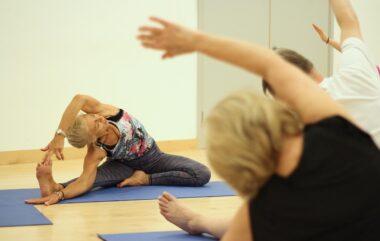
In considering joint mechanics, one crucial element is the role of flexibility and range of motion. Each joint must possess adequate flexibility to allow for optimal performance. Inadequate flexibility can limit an athlete’s range of motion, which may hinder their capability to perform specific sports movements competently. For instance, limited hip flexibility could restrict an athlete’s ability to achieve a proper stride in running, consequently affecting speed and efficiency. A systematic approach to enhancing flexibility, through dynamic stretching or yoga, can help athletes improve their overall performance. Furthermore, understanding the relationship between muscle strength and joint stability is vital. Strong muscles surrounding a joint help control its movements and protect it from injury. This relationship emphasizes the importance of incorporating strength training into training programs. Additionally, an athlete’s biomechanics can be affected by their body composition and weight distribution. Variation in body fat and muscle mass can alter center of gravity and influence balance during movement. Thus, a well-rounded program that includes strength training, flexibility exercises, and proper technique is essential for optimal joint function and athletic performance enhancement.
Impact of Fatigue on Joint Mechanics
Fatigue plays a significant role in joint mechanics and overall athletic performance. As athletes become fatigued, their movement patterns tend to change, often leading to increased risk of injury. For instance, a fatigued athlete might exhibit decreased neuromuscular control, affecting their ability to maintain proper joint alignment during dynamic activities. This loss in coordination can result in compensatory mechanisms, where the body resorts to using other joints or muscles improperly, thus raising the likelihood of injuries. Studies reveal that fatigue can alter joint loading patterns and lead to uneven force distribution among knees, hips, and ankles. In addition, fatigue can exacerbate the effects of pre-existing biomechanical deficiencies that an athlete may have. This interplay highlights the necessity of maintaining fatigue levels at manageable standards during training and competition. Implementing recovery strategies, such as rest, hydration, and nutrition, is crucial for optimizing performance and minimizing fatigue. Coaches and trainers should closely monitor athletes’ fatigue levels and adapt training loads accordingly. Creating training programs with adequate recovery periods can significantly improve joint mechanics and subsequently enhance overall sporting performance.
Moreover, the particular surface on which an athlete performs plays a role in joint mechanics. Different surfaces, such as grass, turf, or hardwood, can impact the forces exerted on joints during movement. For example, running on a soft surface may reduce joint impact reactions compared to harder surfaces, thus reducing injury risk. This aspect emphasizes the need for athletes to adapt their training and competition environments to sustain joint health effectively. Training in varied environments can also be beneficial, as it helps prepare athletes for diverse conditions encountered in competition. Additionally, understanding the footwear used can significantly alter the biomechanics of movement. Proper footwear specifically designed for the sport can aid in injury prevention while enhancing performance. It is crucial for athletes to choose footwear that provides the right support and cushioning needed for their specific activities. Sports scientists advocate for testing different shoes to determine which provide the optimal fit and function, thereby allowing athletes to perform at their best. Overall, there is a direct connection between surface, footwear, and joint mechanics, which must be acknowledged for maximum athletic efficiency.
Role of Prehabilitation in Sports
Prehabilitation is an emerging practice that focuses on preparing athletes for the physical demands of their respective sports. This methodology combines elements of injury prevention with performance enhancement strategies. By identifying potential biomechanical deficiencies before they lead to injuries, prehabilitation serves as a proactive approach to maintaining joint health and functionality. Athletes undergo assessments to pinpoint weaknesses and address these issues through targeted training interventions. These interventions often include strength training, flexibility exercises, and skill refinement relevant to their sport. Additionally, cognitive factors, such as mental preparedness and focus, are incorporated into prehabilitation programs, underscoring the comprehensive nature of athlete preparation. As a result, athletes are empowered to adopt informed strategies that enhance their resilience and performance. Moreover, integrating prehabilitation into regular training regimens fosters long-term joint health. It represents a collaborative effort between healthcare professionals, trainers, and athletes, ensuring every aspect of physical performance is optimized. The outcome is not only a decrease in injury rates but also improved athletic performance. Therefore, the inclusion of prehabilitation principles in athletic training is vital for achieving peak performance levels and ensuring safe athletic experiences.
Furthermore, biomechanical testing technologies have revolutionized the analysis of joint mechanics. Innovations like 3D motion capture systems and force platforms enable precise measurements of joint angles, velocities, and forces exerted during various movements. These technologies enhance the ability to assess athletes’ biomechanics accurately and swiftly. The data collected through these advanced systems can lead to personalized training programs that cater to an athlete’s specific needs. Sports professionals can visualize an athlete’s mechanics, allowing for real-time feedback during training sessions. This feedback loop supports continuous improvement and adjustment of techniques as needed. Additionally, the integration of wearable technology provides ongoing insights into an athlete’s performance metrics outside structured training sessions. This information aids in monitoring fatigue levels and recovery processes, thereby optimizing the training experience. With these technological advancements, athletes can achieve a greater understanding of their body mechanics and how to enhance performance while ensuring safety. Overall, embracing these innovations represents a commitment to improving sports science and athletic performance in conjunction with joint health considerations.
Conclusion: The Future of Biomechanics in Sports
The future of biomechanics in sports holds immense potential for enhancing performance and athlete safety. Continued research into joint mechanics and movement analysis will further illuminate the intricacies of human motion and its implications for sports performance. Emerging technologies will drive innovations in training and rehabilitation processes, paving the way for athletes to achieve greater heights in their pursuits. The fusion of data analytics with biomechanics will result in highly personalized training programs, addressing individual athletes’ needs while maintaining joint health. Cross-disciplinary collaboration among sports professionals, biomechanists, and technology experts will facilitate more holistic approaches to athlete care. This collaboration will ensure a comprehensive understanding of fatigue management, injury prevention, and performance optimization. Moreover, enhanced educational initiatives will empower athletes to engage actively in their training processes, fostering a culture of informed practices. As biomechanics continues to evolve, adapting to new discoveries and advancements will be essential. This commitment to progress signifies a pivotal moment in sports performance, where the synergy between biomechanics and athlete readiness becomes the standard for excellence. Overall, embracing the future of biomechanics opens avenues for remarkable achievements within the sporting world.