
Functional Training Workouts to Enhance Athletic Performance
Functional training workouts are becoming increasingly popular for athletes seeking to improve their performance on the field or court. Unlike traditional workouts that focus solely on muscle isolation, functional training emphasizes movements that mimic everyday activities and the specific demands of various sports. This type of training not only helps in building strength but also enhances flexibility, balance, and coordination. As athletes engage in functional exercises, they become more adept at executing the complex movements required during competitions. These workouts can include exercises such as squats, lunges, and kettlebell swings that target multiple muscle groups simultaneously. Moreover, functional training incorporates core stability training, which is essential for maintaining proper posture and generating force. By integrating these elements, athletes can reduce the risk of injury while improving their overall athletic capabilities. Therefore, pursuing a well-structured functional training regimen is crucial for anyone aiming to elevate their game and achieve peak performance. In this article, we will explore various functional training workouts and discuss their significance in enhancing athletic ability across multiple sports.
One of the primary benefits of functional training workouts is their ability to improve athletic performance through enhanced strength and power. These workouts focus on high-intensity movements that promote explosive strength, which is vital in sports like soccer, basketball, and track. For example, Olympic lifts, plyometrics, and speed drills are effective components of a functional training program. Implementing these types of exercises helps athletes develop the fast-twitch muscle fibers necessary for quick bursts of energy during performance. Moreover, these workouts involve patterns of movements similar to those used in actual sports, making them more relevant than traditional weightlifting. Another key advantage of functional training is its adaptability; programs can be tailored to suit individual needs, taking into account specific sports and personal fitness levels. Athletes can thus concentrate on their areas of improvement while also addressing their weaknesses. By consistently incorporating functional training into their routines, athletes not only build strength but also refine their athletic skills. Ultimately, functional training enables them to perform better in competitive scenarios, making it a valuable addition to any training regimen.
The Core of Functional Training Workouts
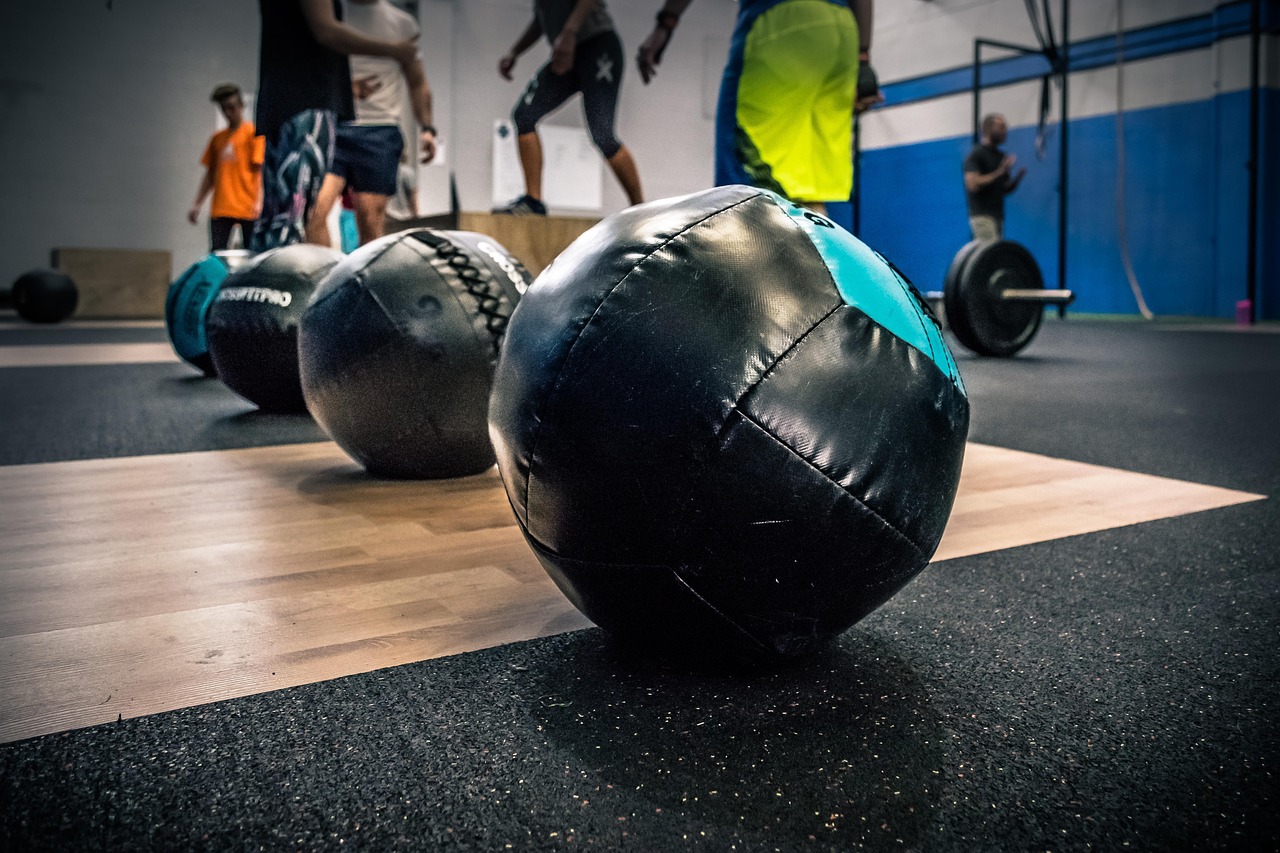
Core stability stands at the heart of functional training workouts, making it a critical aspect of any effective training plan. A strong core not only supports better performance but also helps prevent injuries that commonly arise from poor stabilization. Core exercises such as planks, side planks, and medicine ball throws engage multiple muscles, making them highly effective. These exercises promote superior trunk strength, which is essential for maintaining proper alignment during athletic activities. Athletes trained in core stability can generate more powerful movements while exhibiting improved balance and coordination. Furthermore, a well-developed core aids in the transfer of energy from the lower to the upper body, enhancing overall athletic performance. It allows for more efficient movements, especially in sports like tennis, golf, and swimming, where rotational power is crucial. To maximize benefits, athletes should include a mix of static and dynamic core exercises in their workouts, ensuring comprehensive development. By nurturing core strength, athletes not only elevate their sports performance but also lay a stronger foundation for overall fitness growth.
Another essential component of functional training workouts involves flexibility and mobility exercises. Flexibility plays a pivotal role in athletic performance, as it allows for greater range of motion and reduced risk of injury. Incorporating dynamic stretches and mobility drills into functional workouts can significantly enhance an athlete’s ability to perform a range of motions effectively. Popular exercises include hip openers, dynamic lunges, and shoulder mobility drills, which can all lead to improved athletic performance. Dynamic stretching prepares muscles for the intensity of a workout while conventional static stretches contribute to long-term flexibility. Furthermore, mobile joints allow athletes to execute their movements more efficiently, which is particularly beneficial in sports that require agility and quick directional changes. By routinely engaging in flexibility and mobility training, athletes can adapt to the physical demands of their respective sports. This not only enhances performance but also creates a mental connection to fluid movements, allowing athletes to perform better under pressure. Therefore, an effective functional training program must prioritize flexibility and mobility to maximize athletic performance.
Variability in Functional Training
Variety is key in functional training workouts, as it keeps the body challenged and prevents plateaus. Engaging in a diverse range of exercises ensures that different muscle groups are targeted, promoting comprehensive development. This variability helps athletes gain strength, endurance, and coordination simultaneously. Including various functional movements such as kettlebell swings, agility ladder drills, and resistance band exercises can lead to higher engagement levels and reduce boredom. For instance, utilizing equipment like sandbags, battle ropes, or suspension trainers can be advantageous in creating innovative workout routines. Athletes must listen to their bodies and adjust the intensity and type of exercises according to their needs. Moreover, integrating various training modalities, such as bodyweight exercises and Olympic lifts, can further enhance functional training’s effectiveness. It allows athletes to develop a well-rounded skill set that can be translated into performance. Keeping workouts fresh and exciting can motivate athletes to stay consistent, ultimately achieving their fitness and performance goals more effectively. Hence, variation in functional training is not just beneficial but essential for long-term athletic success.
Functional training workouts also place a significant emphasis on endurance and cardiovascular conditioning. As athletic activities often demand sustained energy output, focusing on improving cardiovascular fitness can enhance overall performance. Incorporating high-intensity interval training (HIIT) and circuit training into functional workouts can effectively target cardiovascular endurance. These training styles promote oxygen efficiency, providing athletes the stamina to last longer during competitions. HIIT, in particular, allows athletes to perform bursts of high-effort activity followed by brief recovery periods, simulating the stop-and-go nature of many sports. Similarly, circuit training combines different exercises into a continuous routine, effectively challenging both strength and cardiovascular fitness. As athletes consistently engage in these forms of training, they elevate their heart rates while refining their techniques. Additionally, improved cardiovascular health facilitates quicker recovery during intense activities, allowing athletes to maintain peak performance throughout their sports events. Thus, integrating endurance conditioning into functional training is essential for athletes who want to enhance their performance and optimize their training.
Measuring Progress in Functional Training
Monitoring progress in functional training workouts is imperative for athletes aiming to improve their performance systematically. Regular assessments of strength, endurance, balance, and flexibility can provide valuable insights into an athlete’s development. Utilizing performance metrics, such as the maximum number of repetitions, the weight lifted, or even timed sprints, can help gauge improvements over time. Additionally, recording workout sessions can reveal patterns in training effectiveness and highlight areas needing attention. Athletes should also pay attention to how they feel during workouts; subjective measures of fatigue and exertion can provide insight into training adjustments. Furthermore, goal setting plays a significant role in tracking progress. By setting specific, measurable, attainable, relevant, and time-bound (SMART) goals, athletes can focus their efforts and maintain motivation. Regularly reassessing these goals can also provide a realistic view of progress. With the right tools for monitoring, athletes can celebrate milestones and adjust their training programs to maximize growth. Ultimately, a proactive approach to measuring progress ensures that athletes continue to evolve both physically and mentally.
Lastly, staying motivated is crucial for maintaining the consistency needed in functional training workouts. Motivation can often fluctuate, making it necessary for athletes to implement strategies to stay engaged. Setting achievable workout goals, finding a training partner, or joining functional training classes can foster accountability and enhance commitment to workouts. Additionally, varying workout environments can help to renew excitement; for example, training outdoors or in new gyms can provide fresh perspectives. Furthermore, motivation can also spring from tracking progress—seeing improvements reinforces the benefits of hard work. Incorporating rewards for reaching milestones provides additional incentives for athletes. Moreover, following social media influencers or engaging with support groups centered around functional training can boost motivation through community support and shared successes. Ultimately, the journey of improving athletic performance through functional training should be enjoyable and fulfilling. By applying these motivational strategies, athletes can cultivate a resilient mindset, making it easier to push through challenges. In summary, enthusiasm for training not only enhances performance but also fosters a sustainable fitness journey.