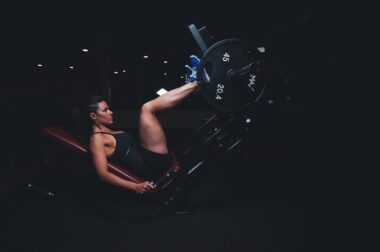

Combining resistance bands and dumbbells can enhance your chest training significantly. This method engages multiple muscle fibers, maximizing effectiveness. When starting, ensure you have appropriate resistance bands and a selection of dumbbells that allow for varied weight adjustments. Begin your workout with foundational exercises that target the chest muscles comprehensively. Include movements such as chest presses, flys, and push-ups to create a well-rounded routine. These exercises not only build strength but also improve muscle endurance. It’s essential to maintain proper form throughout to avoid injuries and maximize gains. Always listen to your body and adjust weights and resistance accordingly. Consider incorporating supersets for added intensity. Supersets involve completing two exercises back-to-back with little rest. This approach will elevate your heart rate and challenge muscles further. Additionally, focus on the tempo of each movement, ensuring each phase is controlled. A slow eccentric phase followed by an explosive concentric phase can lead to optimal muscle activation. Utilize your bands creatively; for example, anchor them securely to a sturdy object for resistance during fly movements. Monitor your progress regularly to adjust the intensity of your workouts, ensuring continual improvement.
Understanding Resistance Bands
Resistance bands come in various shapes and types, making them versatile workout tools. They provide constant tension throughout exercises, which can enhance strength gains compared to traditional weights. The bands enable dynamic movements, ensuring muscles are activated fully during workouts. Begin by selecting bands that cater to your fitness level, ranging from light to heavy resistance. Incorporate movements that utilize the unique features of bands, such as lateral raises and banded push-ups, allowing for creative workout variations. To use both resistance bands and dumbbells effectively, consider pairing them in compound sets. For example, perform a set of dumbbell chest presses followed by a set of resistance band flys. This technique challenges the muscles uniquely and ensures comprehensive development. Always prioritize warm-up to prep muscles and joints for the workout ahead. This can include dynamic stretches tailored for the chest and shoulders. Additionally, focus on the mind-muscle connection during each exercise to improve the effectiveness of your routines. Finally, have a clear progression plan outlining your goals, whether it’s building strength, size, or endurance. Regularly assess your routine for necessary adjustments and consistent improvement.
Incorporating resistance bands into your chest workout allows for unique variations of traditional exercises. For example, you can wrap a band around your back while gripping the ends during a dumbbell press, providing additional resistance at the top of the movement. This combination not only targets the pectorals effectively but also engages stabilizing muscles, promoting overall strength. Always start each session with lighter resistance to familiarize yourself with form adjustments required by the bands. Gradually increase the intensity as your confidence and strength grow. Proper breathing during your exercises is vital; exhale during exertion and inhale while returning to the starting position. Combining motions provides greater muscle activation, transforming simple movements into powerful workouts. Explore single-arm variations with dumbbells, allowing for targeted focus on each side of the chest. Implement this along with banded exercises to enhance muscle awareness and control, ultimately leading to symmetrical development. It’s also beneficial to involve compound movements that utilize both tools, such as the standing chest press. This integrated approach maximizes your gains while keeping your workouts engaging. Finish with a cool-down that includes stretches for the chest to aid recovery and maintain flexibility, allowing for efficient muscle regeneration.
Safety Tips
Safety is paramount when performing any form of exercise. When combining resistance bands and dumbbells, ensure that equipment is in good condition. Inspect bands for signs of wear or tears before each use to prevent accidents. Always adhere to proper form to minimize the risk of injuries during exercises. Strengthening supporting muscles, such as the shoulders and triceps, provides a stable foundation for chest workouts. Additionally, stay mindful of the weight of dumbbells used; avoid lifting excessively heavy weights that could compromise your technique. Warm-up properly to enhance blood flow and flexibility, decreasing the likelihood of straining muscles. Hydration plays a crucial role in maintaining peak performance, so drink enough water throughout your workout. If you are new to resistance training, consider consulting a fitness expert or coach. They can provide invaluable guidance, ensuring you master proper techniques and avoid common pitfalls. Adapting workouts to suit individual fitness levels is essential for ongoing progress. Remember, rest is just as important as the workout itself; adequate recovery time allows muscles to rebuild stronger. Regularly incorporate exercises that emphasize muscle imbalances and maintain core stability, which will enhance overall strength and performance.
The synergy between resistance bands and dumbbells enhances overall chest workouts significantly. This dual approach allows for better targeting of muscle groups, ensuring even development. Try mixing up your routines to prevent plateaus and increase motivation. Incorporate circuits that focus solely on the chest, utilizing banded exercises sequentially with dumbbell lifts. This format typically includes lower resting periods, keeping the heart rate elevated for an effective cardiovascular workout. Monitor your reps and sets to adjust for challenging progressions, aiming for moderate-to-high volume workouts for hypertrophy. Engage in exercises that not only focus on strength but also include isometric holds. These holds are excellent for boosting strength endurance necessary for long-term fitness success. Resistance bands can be used creatively, allowing you to explore varied angles. This versatility helps to stimulate different areas of the chest, providing a thorough workout experience. Visit fitness websites or watch tutorials for additional tips and exercise demos. Tracking your workout routines can help maintain focus. By keeping a log, you can see how far you’ve come and identify areas needing improvement. Fostering this approach aids in staying consistent with your training, ultimately guiding you toward your fitness objectives.
Utilizing both resistance bands and dumbbells, you can develop a comprehensive training program tailored to your fitness level. Educate yourself about various exercises that can be performed with each tool. When combining these elements, focus on compound movements like chest presses and flys that work multiple muscle groups simultaneously. Aiming for a well-balanced workout plan encourages sustainable progress. Set specific, attainable goals for each training session, focusing primarily on gradual improvements rather than immediate results. Include exercises that emphasize stabilizing muscles, which enhances various strength aspects essential for maximizing lifts. Resistance bands are excellent for rehabilitation purposes, aiding recovery from injuries while maintaining muscle engagement during the healing process. Gradually increasing resistance on bands prevents over-stressing the body while promoting steady progress. Regular physical assessments track muscle development, helping to tailor your workout regimens effectively. Ensure a balanced diet supports your training program, providing necessary nutrients for muscle growth and recovery. Involve protein-rich foods to assist with muscle repair post-workout effectively. Finally, prioritize a consistent workout schedule, making adjustments as needed to prevent stagnation. Consulting with a trainer can offer further clarity on integrating bands and weights safely and efficiently into your routines.
Conclusion
To conclude, skillfully combining resistance bands and dumbbells offers a fantastic way to enhance your chest workouts. Regularly employing both tools leads to greater strength, flexibility, and overall fitness. Ensure that workouts remain diverse by incorporating various exercises that challenge your body in different ways. Engaging the core, back, and shoulders while focusing on the chest provides a balanced, comprehensive training session. Always take the time to cool down post-workout to minimize soreness and promote recovery. By committing to a disciplined routine that includes these diverse elements, you are setting yourself up for success. Never underestimate the power of proper nutrition and hydration to support your fitness goals. Embrace progressive changes throughout your training to stimulate growth effectively. Ultimately, the combination of resistance bands and dumbbells allows you to develop an effective and efficient training regimen tailored to individual needs. By following the outlined strategies, and focusing on maintaining safety throughout your exercises, you will be on the path to achieving noticeable results. Keep learning, adapting, and growing in your workouts as you enjoy the journey towards enhanced strength and fitness.