
How to Create a Full-Body Home Workout Using Only Bodyweight
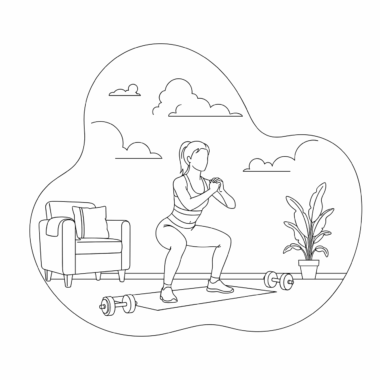
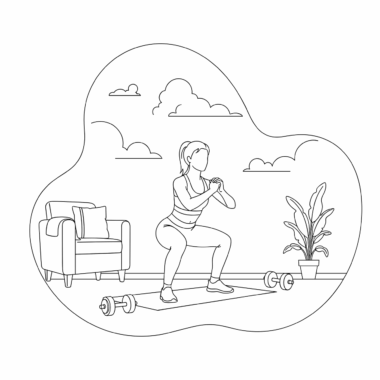
Creating a well-rounded full-body workout at home utilizing only bodyweight exercises is a great way to stay fit. It promotes strength, flexibility, and cardiovascular health—all without requiring any fancy gym equipment. To start, assess your current fitness level and set realistic goals. Depending on your experience, you can tailor your workout routine to either focus on building strength, increasing stamina, or enhancing flexibility. Ensure you include a warm-up period to prepare your muscles and joints for the workout ahead. Basic movements like jumping jacks and arm circles work beautifully for that purpose. You can then incorporate a series of exercises, such as push-ups for upper body strength, squats for legs, and planks for core stability. By alternating between exercises such as these, you can create a balanced workout plan that ensures no muscle group is neglected. Tune your routine according to your preferences, making modifications as necessary to fit your fitness level and objectives. Consistency is key in achieving fitness goals, so aim to work out at least three to four times a week, gradually increasing the intensity over time as you become stronger.
To enhance your full-body workout routine, consider integrating supersets, which involve performing two exercises back-to-back with minimal rest. This method can efficiently increase your heart rate and challenge your muscles significantly. For instance, after completing a set of push-ups, you can immediately follow it with squats. Aim for 2 to 3 sets of 10 to 15 reps for each exercise, adjusting according to your fitness level. Additionally, as you become adept, explore a variety of bodyweight movements such as lunges, triceps dips, and mountain climbers to keep your workouts interesting and more productive. Incorporating dynamic stretches at the beginning and static stretches after your workout is vital for ensuring proper muscle recovery. Ensure to focus on hydration and proper nutrition to support your active lifestyle. Consider using apps or online videos that offer bodyweight training sessions; these resources can be highly motivating and informative. Explore options to join a fitness community online for both guidance and accountability. By doing this, you can transition to higher-level exercises and explore new workouts, offering full engagement with your body and keeping workout boredom at bay in the long run.
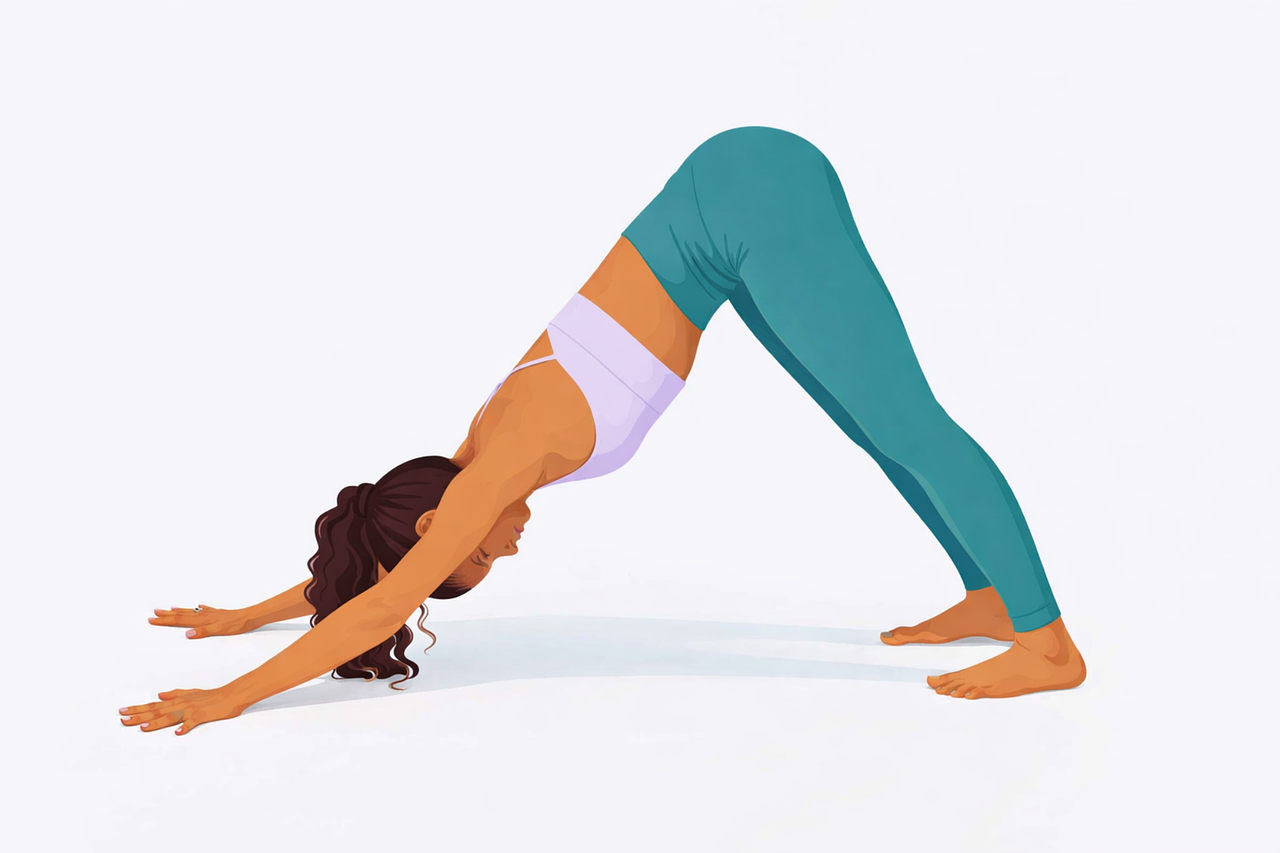
Besides strength training, incorporating mobility exercises into your routine is essential for improved flexibility and injury prevention. Movements such as the cat-cow stretch, hip circles, and thoracic openers can be seamlessly woven into your current regimen. Aim to spend at least 10 to 15 minutes on mobility work a few times per week. This practice will bolster your performance during your strength workouts. To track your progress, maintain a workout journal where you document your exercises, sets, reps, and any notes on how you feel. This not only keeps you accountable but also allows you to identify patterns over time and modify your routine as needed. Rest days are equally vital to ensure your muscles recover effectively and avoid burnout or overtraining. Instead of intense workouts on these days, embrace low-impact activities such as yoga or walking to maintain your momentum. Additionally, listen to your body; if you experience pain, take a step back, evaluate your technique, and consult resources or experts for guidance. A mindful approach to bodyweight training can lead to long-lasting fitness habits that keep you engaged and excited throughout your journey.
Establishing a Routine
Establishing a consistent workout routine is fundamental to staying committed to your fitness journey despite the challenges. Plan your workouts by selecting specific days and times each week that work best for you. Creating a dedicated space for your exercise can enhance your focus and motivation to complete workouts effectively. Ensure this area is clear of distractions, well-lit, and has sufficient space for movement. Preparing your equipment, such as yoga mats or resistance bands, before each session helps create a seamless transition into your workout. Consider setting reminders or alarms on your phone to reinforce your commitment. If you have a busy lifestyle, short workout sessions of 20 to 30 minutes can be highly effective. Even within this limited timeframe, you can execute a solid workout using high-intensity intervals or circuits. Aim to incorporate a mix of exercises that target different muscle groups to maintain balance in your training routine. Setting short- and long-term goals keeps you focused on improvement over time. Celebrate milestones along your journey to boost your motivation and maintain a positive mindset.
Please consider the significance of correctly cooling down after every bodyweight workout session. Engaging in cooldown stretches allows your body to transition back into rest mode gradually and aids in reducing muscle soreness and stiffness. Stretching major muscle groups that you have worked on, such as your hamstrings, quadriceps, and shoulders, will enhance flexibility and help maintain range of motion. Hold each stretch for at least 20 to 30 seconds for optimal results. During your cooldown, mindful breathing techniques can also be beneficial; this helps reduce heart rate and promotes relaxation. A crucial aspect of a bodyweight workout is your ability to listen to your body’s signals. If something feels off during your routine, do not hesitate to adapt or skip an exercise. This ensures a safe and effective workout. Being attuned to your body helps you better understand your limits and potential. Consider implementing a reward system where you treat yourself upon reaching specific fitness milestones. This recognition of effort can be essential in maintaining enthusiasm for your workouts and acknowledging the hard work you commit to your fitness goals.
Incorporating Variety
Incorporating a variety of bodyweight exercises not only prevents workout monotony but also promotes overall muscle development and endurance. Explore different styles of workouts, such as HIIT (High-Intensity Interval Training), circuit training, or yoga to challenge yourself. Each format provides a unique approach with specific advantages. For example, HIIT can boost your cardiovascular fitness and calorie burn, while yoga focuses on flexibility and mindfulness. You can even mix these elements; this may result in a balanced and comprehensive workout plan that meets diverse fitness goals. Additionally, participate in fitness challenges or programs online. Many platforms offer structured bodyweight challenges that can keep you motivated while improving your skills. Engaging with a community can be particularly rewarding; sharing your journey with others fosters encouragement and support. Find friends or workout partners to join you in your bodyweight training sessions. Exercising with others can add a social aspect that makes the experience enjoyable. Moreover, be open to adjusting your schedule as life changes; adapting your workout plan ensures it continues to align with your evolving goals and lifestyle.
Maintaining a consistent focus on your nutrition is equally vital to complement your bodyweight workout efforts. Nutritious meals rich in whole foods, lean proteins, healthy fats, and complex carbohydrates empower your body to achieve optimum performance. Proper nutrition fuels your workouts, allows for better recovery, and supports muscle growth and fat loss. Explore meal prep ideas that simplify your food choices; this can save time during busy weeks while ensuring you stick to a balanced diet. Monitoring your hydration is equally crucial; aim for adequate water intake throughout the day, especially pre- and post-workout. Be mindful of post-workout nutrition as well since refueling your body properly can enhance recovery. Including snacks containing protein and carbohydrates within 30 minutes post-exercise is beneficial. Equally important is understanding the role mental health plays in your fitness journey. Practicing mindfulness or meditation can help enhance motivation and reduce stress. Allow yourself the grace to enjoy the process, focusing on progress rather than perfection. Cultivating a healthy mindset promotes a sustainable approach to fitness, empowering you to stay committed and make long-term changes.
In conclusion, establishing a full-body home workout using only bodyweight exercises is a feasible way to achieve fitness goals. Clarifying your objectives and meticulously creating a structured routine are vital aspects of your journey. Regularly challenging yourself with diverse workouts, tracking your progress, and adjusting your routine can lead to more enriching experiences. Incorporate mobility, cooldown, and a focus on nutrition to enhance workout efficiency. Engage your friends or pursue an online community for additional motivation and encouragement. Try different types of bodyweight exercises, and don’t hesitate to experiment with various workout formats to keep things exciting. With dedication, awareness, and flexibility, you can create a holistic workout plan that benefits your body, mind, and overall well-being. Finally, remember that every fitness journey is personal; embrace your unique path, celebrate achievements, and focus on forward momentum. Stay committed, enjoy your workouts, and embrace the lifestyle changes that will lead to long-lasting fitness success. Your body is capable of fantastic transformations, and with bodyweight exercises, you can unlock your full potential from the comfort of your home. Now, let’s get moving and start working towards a healthier, happier life today!