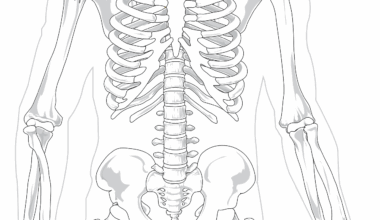

Nutrition and Its Impact on Motor Coordination for Musicians
Nutrition plays a crucial role in enhancing motor coordination, especially for musicians who rely heavily on fine motor skills. A musician’s diet can significantly affect their performance, endurance, and coordination. The brain requires a steady supply of nutrients to function optimally, which is particularly vital during practice and live performances. Micronutrients such as vitamins and minerals, along with macronutrients like proteins, carbohydrates, and fats, contribute to muscle function and coordination. Proteins are essential for muscle repair and growth, while carbohydrates provide the energy required during long rehearsals. Additionally, healthy fats help in maintaining overall brain health and cognitive functioning. Hydration is another critical factor in maintaining coordination; dehydration can impair physical performance and lead to decreased focus levels. Furthermore, antioxidants from fruits and vegetables can protect against oxidative stress, promoting better recovery and functioning of the nervous system. A balanced diet rich in whole foods supports optimal motor skills and cognitive functions, which are essential for musicians. Therefore, carefully considering nutritional choices is vital for improving balance and coordination in musical practice.
A well-planned diet can significantly enhance a musician’s performance by optimizing their motor skills and coordination, crucial for effective playing. Carbohydrates are one of the primary energy sources for any musician; it aids in sustaining lengthy practice sessions. However, not all carbohydrates are equal. Complex carbohydrates, such as those found in whole grains and legumes, provide sustained energy, whereas simple sugars can lead to energy crashes. Furthermore, incorporating proteins from sources like lean meats, dairy, and plant-based alternatives supports muscle development and repair, thereby improving motor skills. Healthy fats are equally important; omega-3 fatty acids found in fish and flaxseeds can promote brain health and cognitive function. These fats help with communication between nerve cells, which is vital for precise motor control. Including a variety of fruits and vegetables is essential for micronutrient intake, as they are rich in vitamins and antioxidants that aid recovery mechanisms in the body. Fiber from fruits, vegetables, legumes, and whole grains ensures gut health, which can impact overall energy levels and mood. A well-rounded diet is important for peak performance and fine coordination.
The Importance of Hydration
Hydration must not be overlooked as it plays a vital role in maintaining optimal motor coordination abilities; musicians must stay hydrated. Water helps in transporting nutrients to cells and removing waste products, which is crucial for muscle function. Even mild dehydration can lead to decreased coordination and dexterity, directly impacting a musician’s performance. During intense practice sessions and performances, musicians often lose fluid through sweat, making it essential to replenish their hydration levels. Instead of relying solely on water, electrolyte-rich drinks can be beneficial, especially during longer sessions. Electrolytes help maintain fluid balance and nerve function, both of which are vital for coordination. Signs of dehydration may include fatigue, headaches, and cramping; all can negatively affect a musician’s ability to perform. Encouraging a habit of drinking fluids before, during, and after playing can help mitigate these effects. Furthermore, being aware of individual hydration needs can vary based on factors such as climate, duration of practice, and intensity. Therefore, musicians should prioritize hydration to enhance their motor skills and overall musical performance.
Micronutrients, often overlooked, are fundamental in optimizing a musician’s performance and coordination. These include vitamins and minerals that support bodily functions and enhance nervous system health, both of which are crucial for fine motor skills. For instance, vitamin B complex aids in nerve health, thereby ensuring efficient communication between the brain and the muscles. This can lead to improved reaction times and motor control, all of which are essential for musicians. Minerals like magnesium and calcium play significant roles in muscle contraction and relaxation, further influencing coordination. Foods rich in these micronutrients include leafy greens, nuts, seeds, and dairy products. Iron is another critical component often neglected; it helps in oxygen transportation in the blood, which can influence a musician’s endurance during prolonged practices. The role of antioxidants cannot be emphasized enough either, as they protect the body from oxidative stress caused by intense practices or performances. Including a broad spectrum of micronutrient-rich foods ensures better recovery and optimal health. Therefore, understanding the importance of micronutrients can help musicians enhance their coordination and overall performance.
Impact of Meal Timing on Performance
Meal timing can significantly influence a musician’s motor coordination and performance capabilities, especially before important rehearsals or concerts. Consuming a balanced meal two to four hours before performing enhances energy levels; this timing allows for optimal digestion and nutrient absorption. A meal rich in carbohydrates, protein, and healthy fats can provide the necessary fuel for sustained energy without causing digestive discomfort. On the other hand, eating too close to performance may lead to sluggishness and discomfort due to incomplete digestion. Many musicians benefit from light snacks such as bananas or protein bars within an hour before playing, providing quick energy sources. Post-performance nutrition is equally critical; refueling the body immediately after playing aids muscle recovery. Including protein and carbohydrates in the post-performance meal helps repair muscle tissues and replenish glycogen stores. Additionally, meals that include healthy fats can support ongoing neurological health and cognitive function. Overall, strategic meal timing allows musicians to maximize coordination and fine motor skills while minimizing physical fatigue and cognitive decline. Understanding these elements aids in developing personalized nutrition strategies for enhanced performance.
Practicing mindfulness and mental wellness alongside nutrition greatly influences a musician’s coordination and performance abilities. Stress and anxiety, common in performance settings, can disrupt focus and motor skills, hindering the overall musical experience. Nutritional approaches to managing stress, such as incorporating omega-3 fatty acids found in fish and walnuts, may promote better mental health. Additionally, magnesium-rich foods like dark chocolate, leafy greens, and nuts can help in reducing anxiety levels. Regular physical exercise and activities such as yoga or tai chi can enhance coordination and serve as effective stress relievers. The connection between mental health and nutrition showcases that a holistic approach to wellness can optimize performance. Adequate sleep, hydrating regularly, and ensuring balanced meals contribute to a musician’s overall well-being. Furthermore, practices such as visualization and focused breathing exercises can train the mental aspects of coordination, complementing the physical elements. By integrating nutrition with mental wellness, musicians can achieve a balanced state that fosters wonderful coordination and overall performance. Emphasizing the interconnection between mind and body ultimately leads to a more fulfilling musical expression.
Conclusion: Nutrition and Coordination Synergy
In conclusion, the relationship between nutrition and motor coordination for musicians is profound and multifaceted. Optimal nutrition enhances not only physical abilities but also cognitive performance, essential for playing an instrument. By embracing a balanced diet rich in macronutrients, micronutrients, and adequate hydration, musicians can improve their coordination significantly. Moreover, understanding the timing of meals and incorporating strategies for managing stress contribute to this enhancement process. This holistic approach to nutrition, alongside regular physical and mental practices, creates a synergy that can elevate musical performance to new heights. Musicians are empowered to take control of their health and well-being by prioritizing their dietary choices, ensuring they not only thrive in their artistic pursuits but also enjoy an enriched quality of life. Taking a proactive stance on nutrition helps musicians maintain their focus, energy, and coordination, allowing for a successful and satisfying musical journey. Therefore, nutrition should be considered a vital aspect of any musician’s routine, contributing positively to their continuous personal and professional growth in the arts.