
Nutrition Tips for Ultra-Marathoners and Ironman Competitors
Nutrition is the backbone of endurance training, particularly for ultra-marathoners and Ironman competitors. These athletes require specialized dietary strategies to sustain intense activity levels. A balanced intake of carbohydrates, proteins, and healthy fats is essential for maintaining energy reserves. Carbohydrates should be the primary source, ideally comprising around 60-70% of total caloric intake. This includes whole grains, fruits, and vegetables, which provide the necessary glucose for prolonged exercise. Proteins play a vital role in muscle repair and recovery, with lean sources such as chicken, fish, or legumes recommended. Healthy fats, found in avocados, nuts, or olive oil, are important for hormone regulation and long-term energy. Hydration cannot be overlooked; athletes must ensure they drink sufficient water and electrolyte solutions to prevent dehydration during long events. Additionally, timing meals and snacks around exercise can optimize performance. Pre-event meals should be rich in carbs, while recovery meals post-exercise should include proteins to aid muscle recovery and rebuilding. A well-rounded approach ensures that athletes get the nutrients necessary to excel in their events, ultimately leading to improved performance and endurance.
Another key aspect of nutrition for endurance athletes is the importance of micronutrients. These are vitamins and minerals essential for various bodily functions, including energy production and muscle contraction. A deficiency in micronutrients can have significant impacts on training and performance. Focus on incorporating a diverse range of foods to meet micronutrient needs. Leafy greens, fruits, and whole grains are rich in various vitamins and minerals. Iron and calcium, particularly important for runners, should be prioritized in daily meals. For example, include iron-rich foods like red meat, spinach, and legumes, while dairy products and leafy greens can boost calcium intake. Additionally, antioxidants play a crucial role in recovery, helping to reduce oxidative stress from intense training. Foods such as berries, nuts, and dark chocolate are excellent sources. Furthermore, athletes should consider supplementation when dietary intake may not suffice, particularly for vitamins D and B12, especially in plant-based diets. Meal planning tailored to individual needs and preferences helps ensure that every macronutrient and micronutrient requirement is met for peak performance in endurance events.
Hydration Strategies for Endurance Training
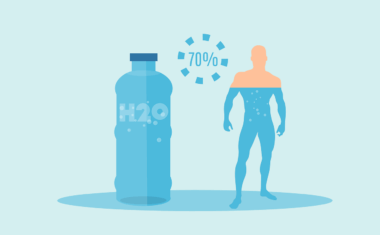
Hydration strategies are essential for ultra-marathoners and Ironman competitors, as fluid loss can severely hinder performance. Athletes should not wait until they feel thirsty to drink; instead, they should establish a routine of hydration before, during, and after training and racing. A general guideline is to drink at least 500 ml of fluids two hours before an event, allowing the body to absorb and utilize the water effectively. During long events, a combination of water and electrolyte solutions can maintain hydration levels and replace lost salts. It is crucial to monitor urine color as an indicator of hydration status; pale yellow usually signals adequate hydration. Post-event, rehydration should occur as soon as possible; consuming beverages containing both water and electrolytes can help recover losses. In addition to fluids, incorporating hydrating foods into the diet, such as cucumbers, oranges, and watermelon, can support hydration. Remember, the needs vary for each athlete, and adjustments are necessary based on environmental conditions and personal sweat rates. A personalized hydration plan is invaluable in optimizing performance and minimizing the risks of dehydration during competition.
Carbohydrate loading is a crucial strategy for ultra-marathoners and Ironman competitors aiming to maximize glycogen stores before major events. This process involves increasing carbohydrate intake significantly in the days leading up to the race while tapering training. By consuming around 70-80% carbohydrates during the loading phase, athletes can enhance their endurance and delay fatigue. Ideal sources of carbohydrates include pasta, rice, potatoes, and energy gels. It’s essential to test this strategy during training to prevent gastrointestinal distress during the race. Alongside carbohydrate loading, timing is essential; athletes should plan their last major carbohydrate-rich meal at least three to four hours before the event. Post-race, carbohydrate replenishment is also critical for recovery. The ideal recovery meal should be consumed within 30 to 60 minutes after crossing the finish line. Incorporating both carbs and protein in a ratio of about 3:1 can optimize glycogen replenishment and muscle recovery. Planning meals meticulously allows endurance athletes to maintain energy through extreme physical demands, ultimately contributing to better results in their performance and readiness for future competitions.
Supplements for Enhanced Performance
Supplements can play a significant role in nutrition strategies for ultra-marathoners and Ironman competitors. While a balanced diet should be the primary source of nutrients, certain supplements can enhance performance and recovery. Creatine is popular among endurance athletes as it helps improve strength and supports muscle recovery. Branched-chain amino acids (BCAAs) can be beneficial during training sessions to reduce muscle soreness and speed recovery. Additionally, beetroot juice has gained attention for its ability to increase endurance and improve blood flow during high-intensity exercise. Likewise, omega-3 fatty acids have anti-inflammatory properties that can aid recovery after strenuous workouts. It is important, however, to consult a healthcare provider before starting any supplementation to ensure safety and effectiveness. Incorporating supplements should not replace whole foods in the diet; instead, they should be viewed as an adjunct to a well-rounded eating plan. The timing of supplements is also crucial; for instance, timing BCAAs pre-workout can promote muscle protection. Awareness of quality and efficacy will help athletes optimize their supplement intake for enhanced performance and overall health.
Meal planning is vital for endurance athletes aiming for peak performance. This process involves creating a diverse and balanced dietary schedule tailored to individual training needs and race preparations. When planning meals, athletes should consider their daily caloric requirements, which can fluctuate based on training intensity and duration. A sample day of meals might include oatmeal with fruit for breakfast, a quinoa salad with chickpeas for lunch, and grilled chicken with sweet potatoes for dinner. Snacks in between should prioritize energy-dense options like nuts, yogurt, or energy bars to maintain energy levels. Recognizing portion sizes is essential to ensure athletes are adequately fueled without overeating. Pre- and post-workout nutrition is particularly crucial; for long sessions, quick-digesting carbohydrates and protein can enhance performance and recovery. Utilizing meal prep techniques, such as batch cooking or preparing snacks ahead of time, can ease the daily demands on athletes, ensuring they stick to their nutrition plans. Additionally, maintaining balance and variety within meals ensures all nutritional bases are covered. Thoughtful meal planning allows athletes to sustain their energy levels and recover effectively between training sessions.
Gastrointestinal Health for Athletes
Endurance athletes often face gastrointestinal issues due to the physical demands of long workouts and races. Managing gut health is crucial for improved performance and overall well-being. Simple dietary changes can alleviate common disorders like bloating and nausea. Athletes should focus on consuming easily digestible foods while training, particularly during or just before races to prevent discomfort. Foods like bananas, rice, and white bread can be well-tolerated if eaten at the right time. Moreover, it’s advisable to avoid high-fiber and high-fat foods before endurance events, as these can contribute to gastrointestinal distress. Staying hydrated will also help maintain optimal digestion throughout training and competition. Some athletes find that regularly incorporating probiotics, either through supplements or yogurt, can support gut health. It may also be helpful to conduct systematic training of the gastrointestinal system during long runs or rides to understand personal tolerances. Lastly, it is vital for athletes to take note of their responses to different foods and adjust accordingly. Maintaining good gut health will ultimately contribute to enhanced performance and a more enjoyable competitive experience.
In summary, proper nutrition for ultra-marathoners and Ironman competitors is essential for achieving optimal performance. By focusing on macronutrient ratios, hydration strategies, and meal planning, athletes can structure their diets to meet their high energy demands. Supplementation may also enhance overall performance when used correctly. Furthermore, being mindful of any digestive issues is crucial, as gastrointestinal discomfort can derail even the most well-planned training and racing efforts. Planning meals around the unique needs of endurance athletes will help to ensure that the right nutrients are available to fuel performance and recovery. Ultimately, it is about finding the right balance that works for each individual athlete based on personal preferences and physiological responses. Understanding these aspects of nutrition can help prepare athletes for the physical challenges of their respective events. Engaging with a sports nutritionist can offer personalized guidance, ensuring athletes follow a suitable regimen tailored to their personal goals. With well-informed strategies, endurance athletes can push their limits while optimizing their health and performance throughout their training and races.