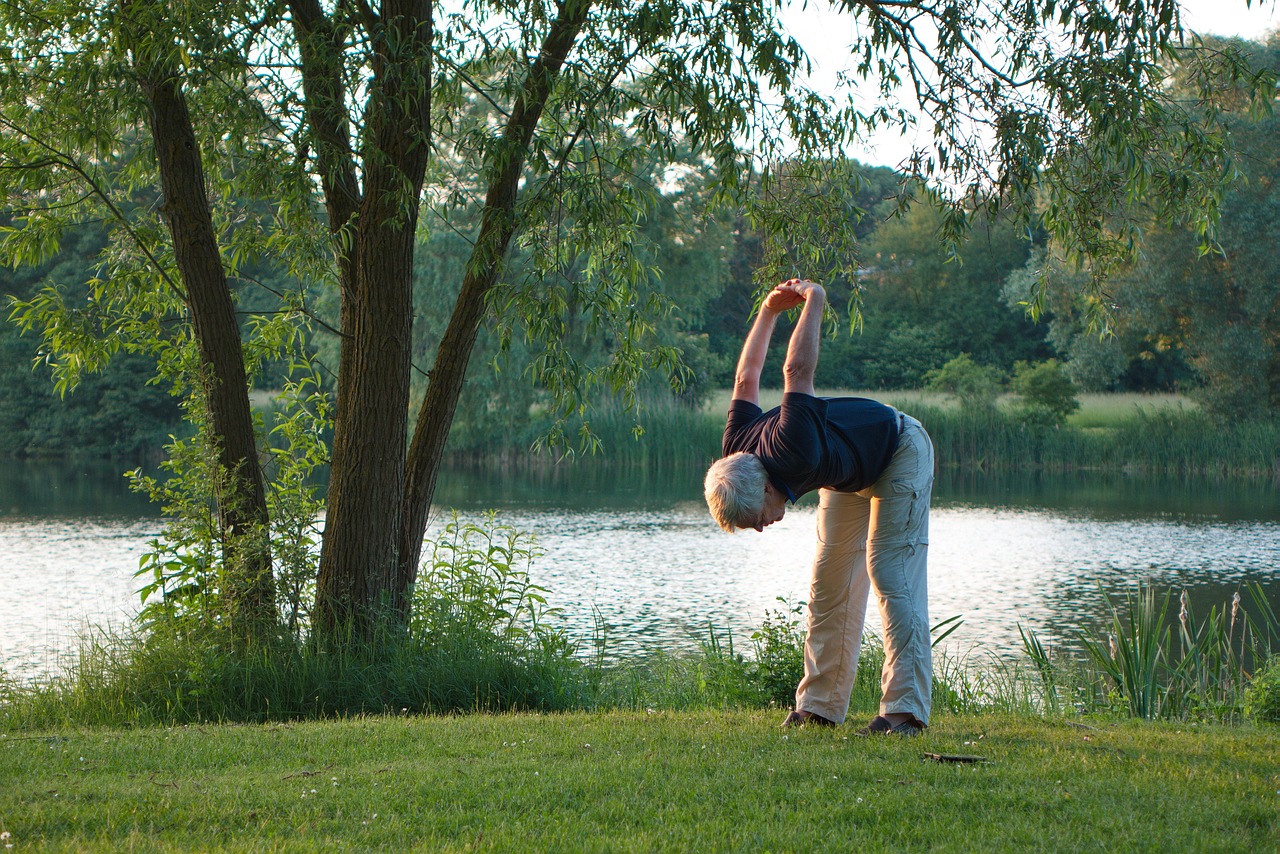

Posture-Correcting Functional Training for Seniors
As we age, maintaining good posture becomes increasingly important for overall health and well-being. Functional training focuses on movements that improve balance, strength, and flexibility, making it an excellent choice for seniors looking to enhance their posture. The primary objective of this training is to correct imbalances in muscle groups that can lead to poor posture. Key muscle groups to target include the core, back, and hip muscles. By focusing on functional movements, seniors can improve their ability to perform daily activities. Incorporating exercises like squats, lunges, and balance training not only strengthens these areas but also promotes better alignment and stability. The combination of strength and mobility work helps reduce the risk of falls, a significant concern for the elderly population. Engaging in regular functional training can lead to noticeable improvements in posture, enhancing the quality of life for seniors. Moreover, maintaining good posture can alleviate pain in the neck and back areas, which is common among seniors. Adopting a posture-correcting functional training regimen is an empowering step toward greater physical health.
To get started with posture-correcting functional training, seniors should first consult with a healthcare professional to ensure the program aligns with their individual needs and capabilities. It’s advisable to work with a certified trainer who specializes in functional training for seniors. Such professionals can tailor a program that includes modifications based on any pre-existing conditions. A typical session may include warm-up exercises that focus on increasing blood flow and loosening muscles. Following the warm-up, a series of functional exercises will be introduced. Focus on controlled movements with an emphasis on proper form to maximize the effectiveness of each exercise while minimizing risks. Incorporating elements of resistance training, such as resistance bands or light weights, can further enhance the benefits of functional training. Cool down and stretching are essential components to alleviate muscle soreness and promote flexibility after your workout. These components are critical in reinforcing the correct posture while allowing for recovery. Additionally, seniors should remember to maintain a consistent routine to see long-term benefits. Gradually increasing the frequency and intensity of workouts can lead to even greater improvements in posture.
Benefits of Functional Training
The benefits of posture-correcting functional training extend beyond just improving physical appearance and posture. Enhanced posture can significantly affect overall health, reducing the likelihood of developing chronic pain or injuries related to improper alignment. Improved core strength resulting from these exercises can stabilize the spine and protect the back from strain. Additionally, incorporating functional movements aids in increasing balance and coordination, which are vital for preventing falls in seniors. These training sessions can also lead to enhanced muscle tone, strength, and flexibility through functional exercises. By focusing on how the body works as a whole, seniors develop the strength needed for daily tasks, allowing for independence in activities of daily living. Furthermore, such training can lead to emotional and mental benefits, including increased self-esteem and overall well-being. As posture improves, many seniors report a greater sense of confidence in their movements and daily interactions. Positively impacting one’s mood and mental health are often overlooked benefits of regular functional training. Prioritizing posture correction through functional training has far-reaching implications for the lives of seniors.
When beginning a functional training program, seniors should consider their personal goals and individual lifestyle. Setting realistic goals is crucial in maintaining motivation over time. For many, the primary goal may be to enhance daily functionality and independence. Seniors should also track their progress to note improvements in strength, flexibility, and posture. Regular assessments can help in adjusting the training program as needed for continual growth. Aging can bring about various physical changes, so the training must adapt to accommodate these changes. Creating a supportive environment for practice can encourage consistency, whether through home workouts or in a group setting. Working out with peers can provide additional motivation and social interaction, which is often essential for seniors. Engaging in friendly competitions or group challenges can also make the training more enjoyable while fostering camaraderie. This supportive environment can further enhance commitment, helping seniors to stick to their programs. Remembering that small, consistent steps lead to significant changes will aid in sustaining enthusiasm for training.
Incorporating Mobility Work
Mobility work is an essential aspect of effective posture-correcting functional training for seniors. By improving joint mobility, seniors can ensure they maintain a full range of motion, which is vital for performing functional tasks with ease. Integrating dynamic stretches and mobility exercises can help in addressing limitations and improving posture over time. Simple movements, such as arm circles and hip openers, can help prepare the body for more strenuous activity. Additionally, practicing yoga and tai chi can be excellent mobility-enhancing activities that promote flexibility, strength, and relaxation. These practices encourage mindfulness and body awareness, which can further support postural alignment. Consistently incorporating mobility work into a functional training routine will aid in reducing stiffness that often accompanies aging. This regular practice not only contributes to improved posture but also enhances overall physical performance. It’s important for seniors to listen to their bodies and modify exercises as necessary to avoid injury. Proper guidance from trainers experienced with senior fitness can ensure workouts are both safe and effective, allowing for long-lasting benefits.
Nutritional considerations also play an influential role in enhancing posture and overall wellness for seniors. Consuming a well-balanced diet filled with essential nutrients aids in maintaining muscle integrity and supporting joint health. Key nutrients to include are protein, calcium, and vitamin D, as these will bolster bone health and muscle function. Staying adequately hydrated is equally important, as hydration contributes to optimal bodily function and muscle recovery. Seniors should aim to drink water throughout the day, adjusting intake based on activity levels. Additionally, incorporating anti-inflammatory foods, such as fatty fish, leafy greens, and nuts, can alleviate some discomfort often related to aging. These dietary choices directly contribute to the body’s ability to maintain proper posture by ensuring that muscles remain strong and joints remain flexible. Consider working with a dietitian specialized in senior nutrition to develop a personalized meal plan. Combining proper exercise with wholesome nutrition will yield the best results for posture correction. Finding the right balance between dietary needs and physical activity is essential for enhancing the quality of life.
Lastly, incorporating mindfulness and mental health practices into a posture-correcting functional training regimen can support overall improvements in posture. Stress and anxiety can lead to tension in the body, negatively affecting posture. Techniques such as deep breathing, meditation, and relaxation exercises can promote a calm mind and reduce physical stress, fostering better alignment. Meditation practices that focus on body awareness can help seniors become more in tune with their posture, aiding in self-correction throughout the day. Mindfulness training has demonstrated benefits in reducing instances of back pain and supporting overall emotional health. Engaging in a holistic approach to posture correction through functional training means not only working on physical aspects but also nurturing mental and emotional well-being. Additionally, encouraging supportive social interactions and fostering positive connections can enhance motivation and participation in training. This comprehensive approach will enable seniors to enjoy a flourishing state of health and enhanced posture. By gradually adopting these practices, seniors can enjoy improved function and health, ultimately leading to a better quality of life.
To summarize, posture-correcting functional training offers seniors a comprehensive approach to enhancing their overall health. By focusing on functional movements, strength training, and flexibility, seniors can correct imbalances in their bodies and improve their posture. The importance of starting with a proper assessment and tailored program cannot be overstated. Consistency, along with mindful practices and wholesome nutrition, plays a vital role in achieving desired results. Empowering seniors to engage in mobility work and mindfulness training further supports their efforts. Through functional training, many seniors may experience greater independence, reduced pain, and improved quality of life. Supportive environments and positive social interactions can enhance motivation and enjoyment in training, making it a fulfilling experience. Overall, adopting a systematic approach to posture and health through functional training leads to lasting benefits. Seniors can reclaim their physical capabilities while enjoying the emotional benefits stemming from improved self-esteem and confidence. By prioritizing their health, seniors not only enhance their own lives but also positively influence those around them.