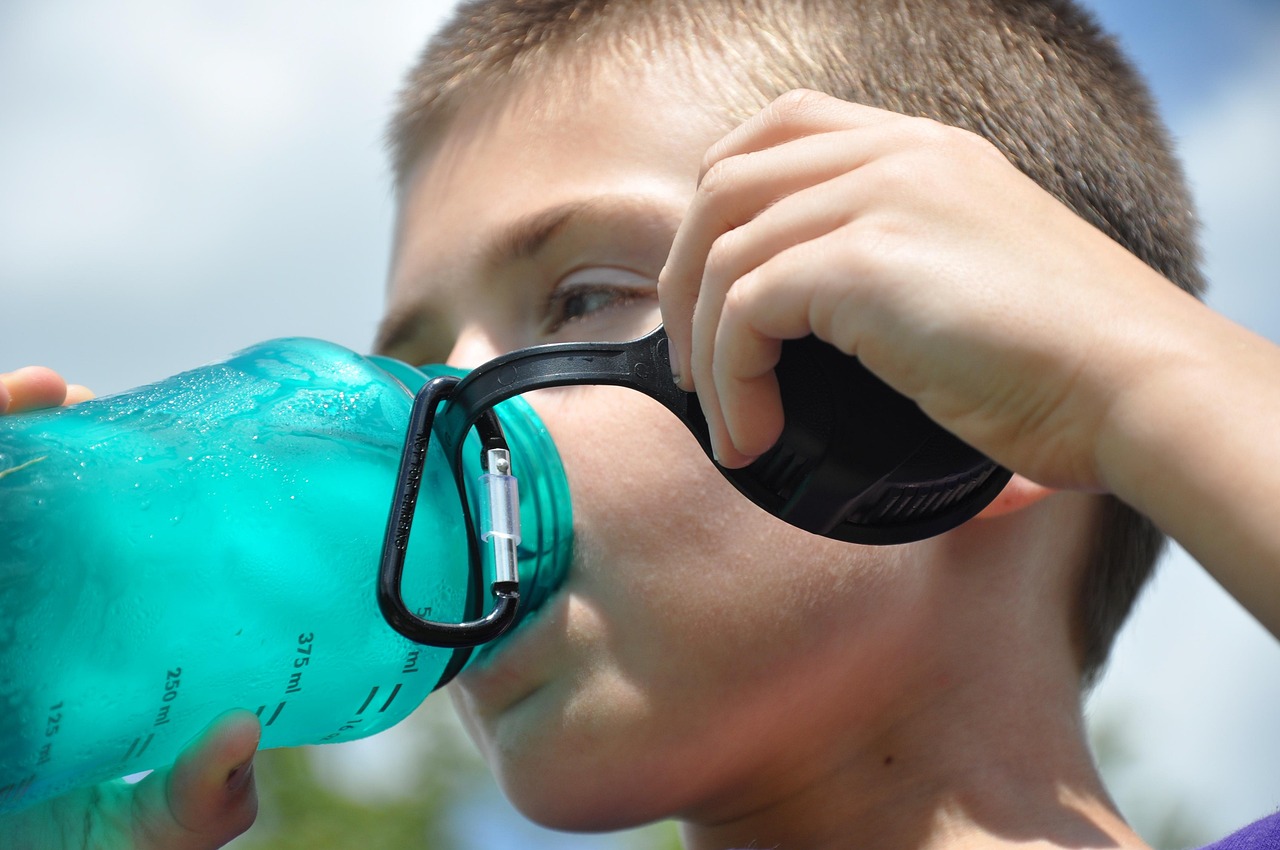

The Role of Sports Drinks vs. Water in Endurance Training
In endurance sports, proper hydration is a pivotal factor for optimal performance. While the majority of athletes have relied on plain water for hydration, evolving practices have introduced sports drinks designed specifically to meet the unique demands of sustained physical activity. These specialized drinks provide not only hydration but also essential electrolytes and carbohydrates that assist in maintaining energy levels during prolonged exertion. Research indicates that hydration with sports drinks can help prevent fatigue, which can occur due to electrolyte imbalance. Additionally, the carbohydrates present in sports drinks provide readily available energy, enhancing endurance. This characteristic enables athletes to maintain a higher intensity throughout their training and competitions. It’s essential to recognize that the effectiveness of hydration strategies may differ between athletes. Individual preferences, unique metabolic responses, and specific events influence the choice of hydration methods. Consequently, athletes should explore their hydration options, testing different drinks during training sessions to observe their effects. In doing so, they can develop a personalized hydration plan that maximizes performance while minimizing the risk of dehydration and related complications, ensuring that they meet their hydration needs effectively during their endurance activities.
Water remains an indispensable resource for hydration. Simple yet effective, water is the most vital nutrient supporting our bodily functions during physical exertion. It is crucial in regulating body temperature, lubricating joints, and delivering nutrients to muscles. While hydration is essential for all athletes, endurance athletes may experience more pronounced dehydration effects due to prolonged activity. Generally, water works efficiently for short-duration events less than an hour, particularly if the effort isn’t overly strenuous. When exercising over longer periods, maintaining fluid balance becomes increasingly complex, necessitating additional sources of nutrients and electrolytes. Dehydration can lead to various complications, such as impaired cognitive function, muscle cramps, and decreased performance levels. Therefore, athletes should pay close attention to their fluid intake. Adjusting hydration strategies based on ambient temperature, intensity of activity, and duration is recommended. Ideal fluid consumption not only involves water but also understanding when to incorporate drinks with electrolytes and carbohydrates. By carefully crafting a hydration strategy that considers individual needs and preferences, athletes can significantly enhance their endurance training outcomes and overall performance during actual competitions, fostering long-term athletic success.
The Benefits of Sports Drinks in Endurance Sports
Sports drinks offer an array of benefits that can be particularly advantageous for endurance athletes. One primary benefit is their ability to replenish electrolytes lost through sweat. During lengthy training sessions or competitions, it’s common for athletes to lose significant amounts of sodium, potassium, and magnesium, which can lead to cramping, fatigue, and diminished performance. Sports drinks are formulated to address this issue, providing precise levels of electrolytes to support rehydration effectively. Additionally, many sports drinks contain carbohydrates, which can enhance performance by delaying the onset of fatigue. Consuming carbohydrates during prolonged efforts provides a readily accessible energy source, allowing athletes to maintain intensity. The sugars in sports drinks can also provide a quick energy boost, particularly during critical junctures in races or events. Furthermore, studies suggest that drinks with a higher sodium concentration may promote greater fluid retention, optimizing the athlete’s hydration strategy. This is crucial during extensive training sessions or races lasting several hours. Consequently, finding the ideal balance of electrolytes and carbohydrates in a sports drink can greatly enhance performance and recovery times for endurance athletes competing in various settings.
Despite the advantages of sports drinks, they are not universally ideal for all athletes or situations. A frequent concern is the higher calorie content of many sports drinks, which may be more than necessary for certain athletes, particularly those engaging in less intense or shorter-duration activities. For casual runners or less demanding exercise routines, consuming a sugar-laden sports drink can lead to excess calorie intake and, ultimately, weight gain. Additionally, the sugars can lead to gastrointestinal distress when consumed in larger quantities. Some athletes find that the taste of sports drinks may not agree with their palate, preferring plain water instead. Another factor to consider is the cost-effectiveness of different hydration strategies. Water is considerably less expensive than sports drinks, making it an appealing option for athletes on a budget. Hydration should prioritize individual preferences, needs, and specific event characteristics. Moreover, athletes should conduct trials to determine which options make them feel the best during training sessions, supplying the feedback necessary for optimal performance during competitions. Balancing these factors is essential when designing a comprehensive hydration plan tailored to the athlete’s unique requirements.
Timing and Intake of Hydration Solutions
The timing of hydration strategies is equally important as the type of fluid consumed. It is advisable that athletes begin hydrating well before their endurance training sessions or competitions. This practice helps ensure that the body is adequately hydrated before the increased exertional demands that come with intense physical activity. Many experts recommend drinking fluids in the days leading up to an event, as well as consuming water or electrolyte drinks in the hours preceding the activity. During the activity itself, athletes should develop a planned hydration schedule, aiming to consume small amounts frequently rather than large volumes infrequently. Sip from a water bottle or sports drink periodically, particularly in hot or humid conditions. After the event, the focus should shift to recovery, rehydrating with water and sports drinks that restore the lost fluids and replenish electrolytes lost during exercise. An effective post-activity recovery involves consuming enough fluids within the first 30 minutes to an hour following completion. This approach accelerates recovery, aids muscle rebuilding, and enhances overall performance during subsequent training sessions or competitions. Monitoring hydration status through urine color can also provide feedback on whether adequate hydration is being achieved.
Some athletes may benefit from keeping a hydration log, tracking their intake to ensure they meet their hydration goals consistently. This log can help identify patterns in their consumption and provide insights into how different fluids affect their performance and recovery. Furthermore, advances in technology have led to the development of wearable devices capable of monitoring hydration levels. These devices can offer real-time feedback on fluid needs based on sweat loss, temperature, and activity level. Using such tools can empower athletes to make informed decisions regarding their hydration strategies. Ultimately, the relationship between hydration and endurance performance extends beyond merely choosing between water and sports drinks. As athletes experiment and familiarize themselves with various hydration options, they glean the necessary information to determine what works best for their unique physiological needs. Staying hydrated is critical for maintaining optimal performance during endurance exercises, so being proactive and mindful in this area remains vital. Continuous learning about one’s hydration needs can contribute to enhanced athletic performance and resilience over time, ensuring sustainable success in endurance sports.
Conclusion: Finding the Right Balance
In conclusion, the role of hydration strategies in endurance sports cannot be overstated. While water offers adequate hydration for some activities, many endurance athletes can significantly benefit from incorporating sports drinks into their regimen. A balanced approach considers not only the nature of the activity but also the individual athlete’s preferences, requirements, and specific situations. By understanding the unique characteristics of both water and sports drinks, athletes can develop a tailored hydration strategy that optimizes their performance while addressing their personal needs. Continuous experimentation during training will help identify the best combinations of fluids to maintain energy levels and hydration status. Additionally, adhering to a sound hydration schedule, which includes pre-hydration, in-exercise consumption, and post-exercise recovery, forms a comprehensive hydration strategy. Ultimately, hydration is a dynamic element influencing athletic performance, recovery, and health. Therefore, refining hydration strategies should be a priority for every endurance athlete striving for excellence in their field, ensuring they can perform at their best while minimizing the risks associated with dehydration. With the right approach, athletes can confidently pursue their goals and enjoy the benefits of improved endurance performance.
Ultimately, both water and sports drinks have roles to play in endurance training and competition. Striking the right balance between these hydration strategies is essential for optimal athletic performance. Recognizing when to use water or sports drinks—and in what amounts—will empower athletes to train and compete effectively. It is important to appreciate each athlete’s unique traits, as those traits shape hydration requirements. With personalized plans based on individual experimentation during training, endurance athletes can achieve peak performance while maintaining proper hydration. The journey toward optimizing hydration practices is continuous, requiring ongoing learning and adjustment. Performance improvement hinges on exploring hydration methods and understanding how the body’s needs evolve with different types of exertion. As athletes become more knowledgeable, they can make better choices that suit their environment, performance goals, and physical needs. So, whether reaching for a simple water bottle or a specialized sports drink, maintaining an intentional focus on hydration strategy can yield powerful results. Similar meticulousness should be applied to training and nutrition strategies for lasting improvement and success. Placing hydration at the forefront of endurance training enables athletes to face challenges confidently while fully unleashing their potential.