
The Role of Sports Psychology in Psychological Recovery from Injuries
Injuries in sports are not just physical matters; they have profound psychological effects as well. Athletes often face emotional turmoil after an injury, which can hinder their recovery process. Understanding these psychological factors is part of sports psychology, which focuses on the mental aspects of athletic performance. Psychological recovery involves helping athletes cope with the mental stress that injuries bring. Various techniques, such as visualization and mindfulness, can assist in this process. Recovery is not merely a physical endeavor; it requires mental adaptation and resilience. The role of a sports psychologist becomes evident during rehabilitation, emphasizing motivation and goal-setting. Psychologists work closely with medical professionals to create a holistic recovery approach. This collaboration ensures athletes feel supported both mentally and physically. Communication techniques help in expressing emotions, reducing feelings of isolation. By applying psychological principles, athletes can regain confidence and optimism as they navigate their rehabilitation journey. Thus, adequate mental support is crucial for overcoming the emotional barriers that injuries create, allowing an athlete to return stronger and more focused.
Impact of Injuries on Mental Well-Being
Injuries can lead to a variety of mental health challenges for athletes, making the recovery phase daunting. Many suffer feelings of anxiety and depression as they grapple with reduced physical capabilities. Psychological studies indicate that athletes who face lengthy recoveries encounter increased frustration and fear of re-injury. This fear can affect their mental state significantly. Feelings of helplessness can exacerbate the emotional toll during recovery. To combat this, sports psychologists provide necessary tools for emotional management. Cognitive-behavioral techniques help athletes reframe negative thoughts associated with their injuries. Setting small, achievable goals aids in regaining confidence as they progress through rehabilitation. Furthermore, it is beneficial for athletes to maintain connections with their teammates and coaches during this period. Social support networks play a vital role in alleviating feelings of isolation. Engaging in psychological recovery practices, such as journaling or talking to loved ones, can provide an emotional outlet. In doing so, athletes learn to channel their experiences positively. As athletes transition through their challenges, they discover important lessons about persistence, mental strength, and resilience.
One crucial element of psychological recovery involves the application of relaxation techniques. These strategies help athletes manage stress and anxiety associated with their injuries. Techniques such as deep breathing, progressive muscle relaxation, and meditation help calm the mind and body. Regular practice of these approaches can lower overall stress levels, creating a more conducive environment for healing. Additionally, visualization is an effective technique that allows athletes to mentally rehearse their return to the sport. They imagine themselves performing at their peak capacity, which boosts confidence and motivation. Visualization reinforces positive outcomes by activating similar brain pathways as actual performance. Furthermore, setting specific goals during the rehabilitation phase helps maintain focus and determination on the path to recovery. Goals should be realistic and incremental, allowing athletes to celebrate small victories. Another aspect of recovery involves understanding the emotional stages of healing. Athletes may experience denial, anger, bargaining, depression, and finally acceptance regarding their injuries. Acknowledging these stages can provide clarity and comfort during difficult times. Thus, psychological strategies effectively promote healing and foster a positive mindset.
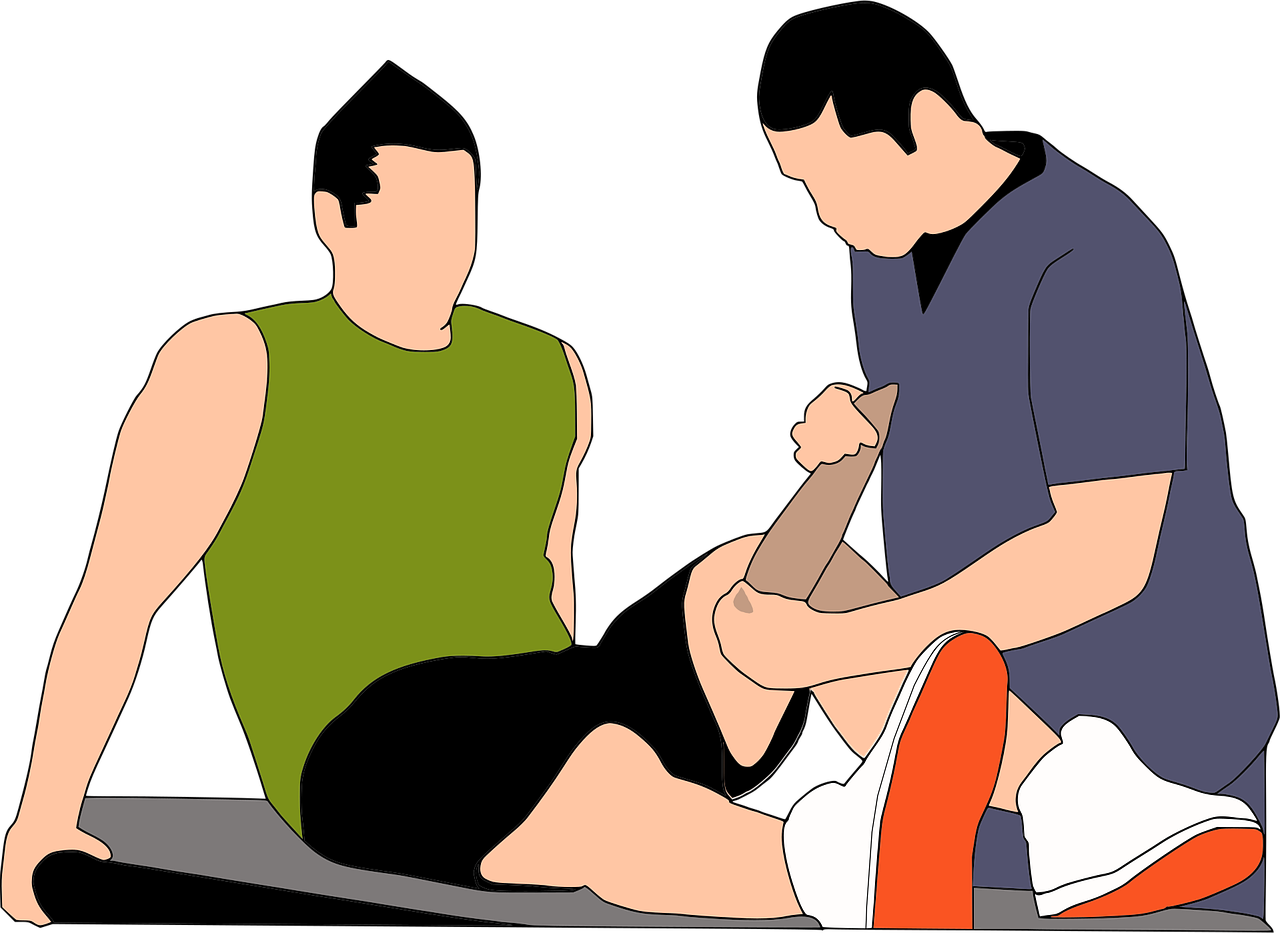
Engaging in physical therapy is crucial for an athlete’s recovery, and sports psychologists play a significant role during this phase. Physical rehabilitation can often bring physical discomfort and emotional challenges, requiring mental fortitude. Sports psychologists help athletes maintain a positive outlook throughout their physical rehabilitation journey. They teach coping mechanisms for pain and resistance encountered during the physical recovery process. Additionally, helping athletes adapt their training routines can provide a greater sense of control. By tailoring specific recovery sessions and modifying their exercise programs, athletes can focus on building strength and mobility. Furthermore, regular check-ins with a sports psychologist can provide emotional support throughout the ups and downs of recovery. One aspect of this support includes helping manage expectations. Athletes may feel pressure to return quickly, but psychologists can assist in creating a realistic timeline aligned with healing. This collaboration enables athletes to address their mental barriers effectively. Emphasizing consistency and commitment during rehabilitation can lead to a more effective overall recovery. By addressing both physical and psychological aspects, athletes can enhance their healing experience and move towards full performance.
The Importance of Positive Thinking
Positive thinking is an essential component of psychological recovery and overall athlete performance. The mindset adopted during rehabilitation can significantly influence recovery outcomes. Athletes who maintain a hopeful perspective often have better experiences and results during recovery. Cultivating an optimistic mindset can alleviate feelings of anxiety and enhance motivation. Mental techniques, such as affirmations and visualization, can reinforce a positive outlook. Athletes can practice daily affirmations to empower themselves and boost self-belief during challenging times. Additionally, identifying negative thought patterns and reframing them into positive statements contributes to improving an athlete’s emotional resilience. Athletes should be encouraged to focus on their strengths rather than their injuries. Creating a plan or checklist to monitor progress can foster a sense of accomplishment that aids recovery. Believing in their abilities and maintaining focus on future goals can propel athletes towards successful recovery. Moreover, understanding that setbacks may occur is crucial. Recognizing setbacks as opportunities for growth allows athletes to build mental fortitude. A confident mindset enhances the capacity to push through tough moments, ultimately leading to more significant achievements in both recovery and performance.
Another significant aspect of psychological recovery involves cultivating resilience. Resilience is the ability to adapt effectively in the face of adversity, a vital trait for athletes recovering from injuries. Sports psychologists often focus on enhancing resilience through various techniques. Building a growth mindset encourages athletes to view challenges as opportunities rather than insurmountable obstacles. Learning to embrace difficulties will foster robust psychological strength. Engaging with past experiences of overcoming adversity can also reinforce resilience. By reflecting on previous challenges and victories, athletes gain confidence in their capacity to recover. Moreover, developing strong problem-solving skills is crucial during rehabilitation. Athletes learn to navigate unexpected challenges that arise, allowing them to maintain control over their recovery journey. Encouragement from supportive networks, such as family and teammates, bolsters resilience. A strong support system provides emotional validation and fosters an environment where athletes feel cared for. Additionally, focusing on personal development rather than solely performance outcomes preserves motivation during arduous recovery periods. By integrating strategies that build resilience, athletes can emerge from their injuries more robust and with newfound perspectives on both sports and life.
Finally, creating a comprehensive recovery plan involves integrating psychological elements into physical rehabilitation. Such a plan considers both emotional and physical recovery processes, ensuring athletes receive well-rounded support. Collaborating with sports psychologists, rehabilitation specialists, and coaches allows for tailored strategies that address individual needs. Open communication among professionals enhances the effectiveness of recovery plans. Furthermore, regular assessments and modifications of the plan based on progress can help in managing expectations and keeping goals realistic. These adjustments can empower athletes and maintain their motivation throughout the recovery journey. Visual aids, progress indicators, and motivational quotes may also be included to encourage positive thinking. Athletes should be equipped with tools to regulate their emotional health and bolster self-efficacy, allowing them to feel more in control of their recovery. Providing educational resources regarding recovery can also inform athletes. Understanding the importance of patience and perseverance can ease anxiety surrounding the recovery timeline. Hence, integrating psychological principles into recovery plans positively influences athletes’ healing experiences, laying the groundwork for a successful future in their respective sports.