
Building Trust and Cohesion in Your Cycling Group
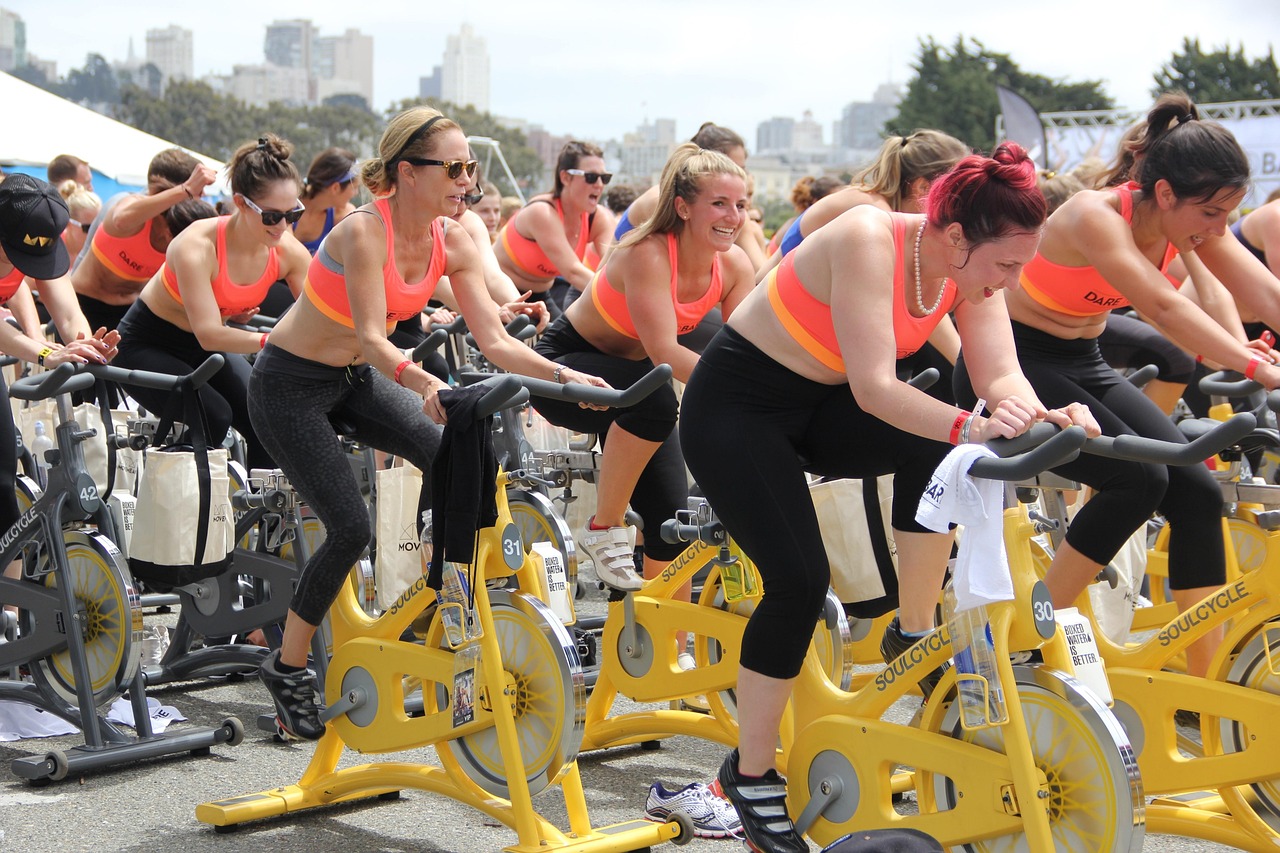
Cycling invites a sense of community that can be both rewarding and exhilarating. Establishing trust within your group is critical; mutual respect fosters a supportive environment. Making sure every member feels valued is essential for maintaining enthusiasm. Start by promoting open communication among all cyclists. Sharing concerns, achievements, or suggestions builds transparency, making everyone part of the conversation. Establishing a set of group norms can also enhance cohesiveness. Ask members for their input in crafting the rules to ensure they resonate with everyone involved. This might involve discussing riding pace, safe distances, or communication signals. Regular full-group rides allow members to showcase skills and styles while also helping others improve. Emphasizing group cohesion also strengthens individual character. Recognizing and celebrating small victories, like completing a challenging route, enhances group morale. Choose a variety of rides that cater to different skill levels. This approach not only includes everyone but enhances skill levels across the board. Ultimately, a connected cycling group invests in each other’s journeys, cycling not only becomes a sport but a shared adventure filled with mutual support.
One essential aspect of cycling etiquette is maintaining clear communication while on rides. Use verbal cues and hand signals to share important information such as hazards or changes in pace. A simple shout of “car back!” informs the group of vehicles approaching from behind. Using hand signals helps clarify your intentions, making it easy to steer clear of obstacles. To foster a stronger bond, make sure to maintain eye contact during conversations. This encourages a sense of belonging. Another vital point is to respect the individual space of others while riding closely. Leaving sufficient distance ensures safety and comfort for everyone involved, particularly if someone suddenly brakes. Rotate leaders regularly during group rides to build trust and equality within the team. When everyone has a chance to lead, it encourages engagement and strengthens bonds. Be open to feedback and constructive criticism. How members offer suggestions is essential; approach issues with empathy and kindness for a positive atmosphere. It is crucial to share personal cycling goals, helping others understand individual aspirations while also encouraging group motivation. In summary, effective communication, mutual respect, and cooperation are fundamental to maintaining a connected cycling group.
Promoting Responsibility and Accountability
Responsibility within cycling groups is vital for developing trust and cohesion among members. Each cyclist should come prepared with necessary equipment, ensuring safety for themselves and the whole group. A well-maintained bicycle is essential; inspect your gear before rides to avoid mechanical failures during the ride. Additionally, encourage group members to carry essential tools and spare parts, such as patch kits and multitools, which can be lifesavers in situations requiring quick repairs. Encourage each member to understand their part in the group dynamic; stability relies on everyone contributing to the overall success. Keep in mind that accountability extends beyond mechanical readiness. Honor commitments such as attending scheduled rides on time. Being punctual shows respect for fellow riders’ commitments and keeps the group moving efficiently. Shared goals play a significant role in unifying the team. Establish mutual objectives for rides or challenges, fostering a sense of achievement together. Whether it’s a fundraising ride or a local charity event, working toward shared aspirations strengthens bonds. Always celebrate collective accomplishments; positive reinforcement promotes unity, commitment, and shared pride among cycling group members. Ultimately, responsibility ensures a safer and more enjoyable cycling environment for all.
Building friendships within your cycling group significantly enhances the overall experience. Take the time to socialize after rides, whether it’s relaxing at a café or sharing a meal post-cycle. Conversations build connections and foster camaraderie, turning casual acquaintances into lasting friendships. Organize occasional social events, such as a group barbecue or cycling potluck, to strengthen your network outside of rides. Encouraging members to share their experiences or stories during rides can also promote bonding. Getting to know each other on a personal level helps build a solid foundation. Celebrating milestones, such as birthdays or cycling achievements, can create warm memories and elevate group morale. Perhaps even establish a group tradition such as an annual cycling retreat, where members can gather, bond, and train together. Pairing novice riders with experienced cyclists creates mentorship opportunities. Walking through shared challenges together enhances team spirit. Consider creating smaller sub-groups based on interests or skill levels for tackle-specific goals. These smaller teams maintain motivation and support. Always remain open to feedback about balance and structure while building friendships. The ultimate goal is to create an infectious culture of collaboration where everyone feels welcome and valued whenever they cycle together.
Handling Conflict and Challenges
No group is without challenges, and handling conflicts gracefully is essential for cohesive cycling groups. Conflicts may arise, whether due to differing abilities, communication styles, or riding strategies. It’s important to treat disagreements constructively and respectfully; consider addressing any issues privately without escalations. If a member feels excluded or uncomfortable, promptly addressing their concerns is critical. Empathy plays a huge role in conflict resolution. Listening actively to various perspectives promotes understanding, leading to effective solutions. Groups must establish guidelines for resolving conflicts amicably. Enlist a neutral mediator if necessary for disputes that cannot resolve internally. Reinforcing a culture that appreciates constructive criticism and feedback further encourages open conversations. Create opportunities for group discussions following rides to address any lingering concerns. A committed cycling group will understand it cannot evade difficulties. Instead, it must embrace them as opportunities to mature. This mindset keeps groups bonded amidst challenges, as people realize that open dialogue leads to growth. Ultimately, learning to manage conflicts with sensitivity not only strengthens relationships among members but helps keep the focus on the enjoyable cycling experience shared by all.
Another consideration in cycling etiquette involves ensuring safety and awareness while minimizing distractions. Riding in groups demands focused attention, with cyclists often exposed to various external factors. Avoid using headphones or mobile devices while cycling; being fully engaged allows for better responses to potential dangers. Establishing a sober understanding of group dynamics is vital—riding close together may sometimes require additional focus from everyone. Regularly encouraging members to practice safe riding habits, such as signaling stops and using proper hand gestures to indicate turns, fosters a culture of awareness and teamwork. Take the time to plan routes that all members feel comfortable tackling, facilitating a better riding experience for all while managing skill levels and fitness. Organize training sessions to help riders build confidence in skills like drafting, cornering, and pace maintaining. Coached rides can also encourage less experienced members to ask questions and get comfortable with their bicycles. Always wear appropriate safety gear and encourage others to uphold these practices. Culture is not only about a shared journey but also about maintaining a collective commitment to safety and awareness, ensuring everyone reaches their destination without incident, together.
Conclusion: Building a Lasting Cycling Community
Developing a strong cycling community results from commitment, shared effort, and genuine connections. Trust and cohesion emerge as members prioritizing respect, communication, accountability, and support. Strive to keep group rides engaging and inclusive by considering everyone’s needs and skill levels. Celebrating each cyclist’s journey and achievements creates a positive atmosphere and fosters lifelong friendships. Maintain open lines of communication where members feel free to express thoughts or concerns, ultimately enhancing group dynamics. Take the time to review any situations that arise, whether conflicts or riding challenges, as opportunities for growth. A strong community thrives on learning together and reinforcing bonds through shared experiences. The goal is to create a place where cyclists feel encouraged, inspired, and energizing by every pedal stroke. Invest time, empathy, and kindness into every interaction, and watch the group flourish. Encourage all members to embrace the responsibility of involvement, showing up prepared, and supporting each other’s dreams. Recognizing that cycling is more than a sport but a shared journey can transform usual rides into meaningful experiences. In the end, the strength of each group lies in the individuals who make it up, and together, the sky’s the limit.