
Common Pelvic Floor Issues After Delivery and How to Address Them
After delivery, many women experience pelvic floor issues, which can significantly affect their quality of life. The pelvic floor muscles support the bladder, uterus, and rectum; thus, any weakness can lead to various complications. Common issues include urinary incontinence, pelvic pain, and pelvic organ prolapse. These problems may arise due to hormonal changes, labor, and delivery methods, particularly if there was considerable strain during childbirth. Furthermore, it is not uncommon for women to overlook these symptoms, attributing them to postpartum recovery instead of addressing the root causes. Seeking professional help is critical for appropriate diagnosis and treatment. Health care practitioners, including physical therapists specializing in women’s health, can offer valuable insights. Additionally, online resources provide comprehensive guides for new mothers seeking solutions to their pelvic floor concerns. Proper education on body changes, awareness of exercising routines, and engaging in the right postpartum fitness activities can also lay a solid foundation for recovery. It is essential to act promptly to regain strength and confidence in one’s body.
To effectively address the pelvic floor issues after childbirth, understanding the typical symptoms and when to seek help is crucial. Urinary incontinence is among the most frequently reported issues, often manifesting during sneezing, coughing, or exercising. This involuntary leakage of urine can hinder mothers from engaging in daily activities enthusiastically. Another issue is pelvic pain, which may result from a lack of muscular support or involve damage during delivery. If left unaddressed, scar tissue from birthing may tighten and cause discomfort. The possibility of prolapse, where supportive tissues weaken, allows pelvic organs to drop, leading to noticeable bulges or heaviness in the vagina, is another concern many women face. Recognizing these symptoms is vital for timely intervention. Health care professionals recommend pelvic assessments focusing on the strength and proper functioning of pelvic muscles. Early detection and tailored exercise routines significantly improve outcomes. For women encountering distress caused by these issues, emotional support, education, and practical coping strategies facilitate healing, further enhancing the quality of life during the postpartum period.
Importance of Pelvic Floor Exercises
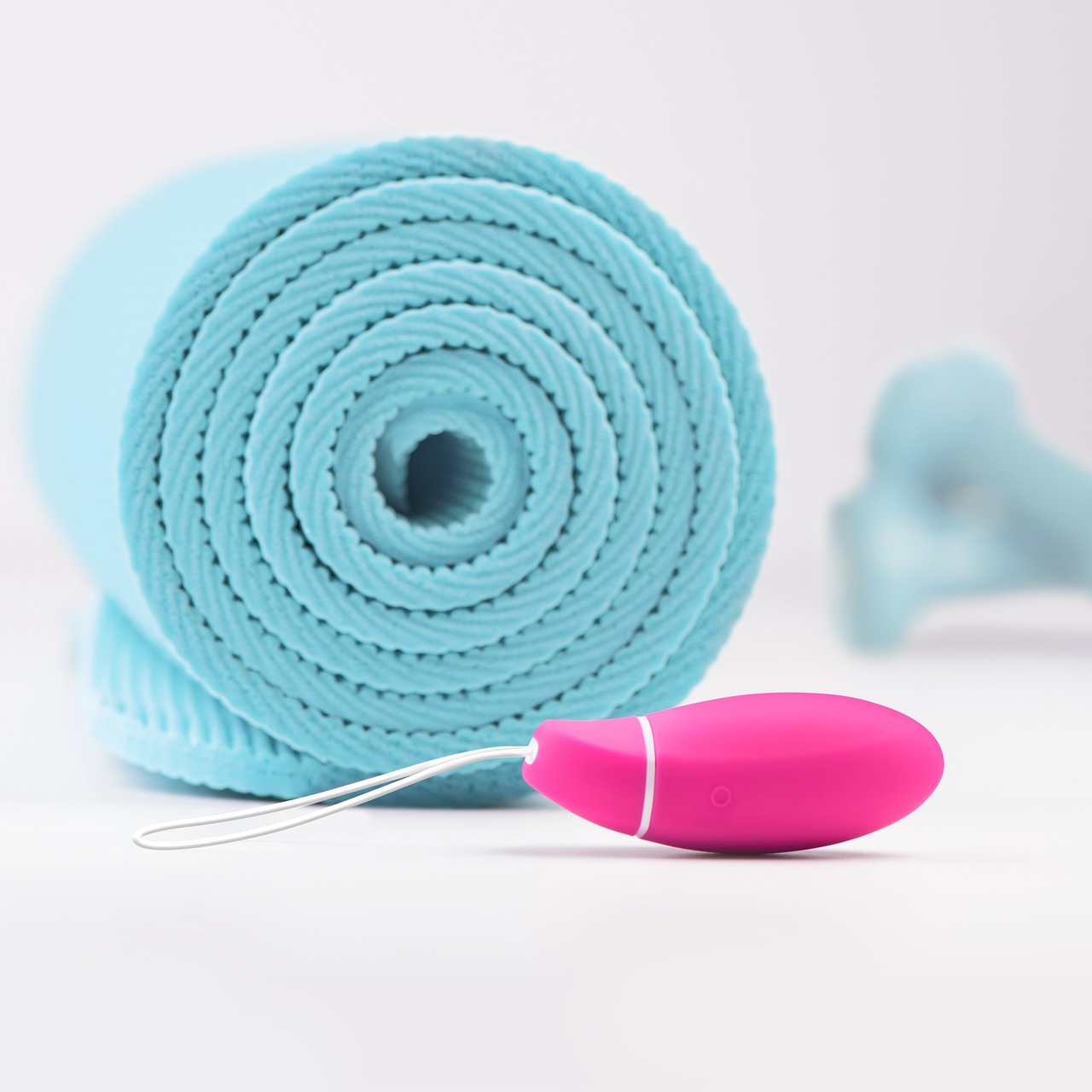
Engaging in specialized pelvic floor exercises plays a pivotal role in postpartum recovery. These exercises, commonly known as Kegels, specifically target the pelvic floor muscles, enabling women to regain their strength and control. Performing Kegels involves contracting and relaxing the pelvic muscles, promoting improved circulation, and helping to alleviate incontinence and pain. Ideally, these exercises should begin as soon as possible after childbirth, under the guidance of a qualified health provider. Working with a physical therapist familiar with postpartum care can significantly enhance the effectiveness of these exercises. Building a personalized routine that scales based on individual progress and symptom severity will yield better results. The benefits of pelvic floor exercises extend beyond physical recovery; they also positively influence mental well-being. As new mothers reclaim strength and control, their self-esteem and body confidence improve. Moreover, pelvic floor exercises can also enhance sexual function by facilitating better muscular control. Overall, integrating these exercises into daily routines fosters a proactive approach to postpartum recovery and encourages women to embrace their new identities while nurturing their health.
Another crucial aspect of addressing pelvic floor issues is proper breathing techniques. Many postpartum women tend to hold their breath during physical activities or exercises, which inadvertently puts increased pressure on their pelvic floor. Learning to breathe correctly, especially during movement or exercise, can relieve tension and support recovery. Diaphragmatic breathing encourages optimal engagement of the pelvic floor, allowing for a calmer and more focused approach to exercise routines. It is fundamental to practice relaxed and deep breathing regularly, as it can facilitate relaxation of the pelvic region. Incorporating breath awareness alongside pelvic floor exercises will greatly enhance overall effectiveness. Furthermore, being mindful of one’s posture during daily activities contributes to pelvic floor health. Correct posture ensures that the pelvic organs are well-supported, thus preventing unnecessary strain on the pelvic floor muscles. Valuable resources, including books, articles, and online classes, provide insights and guidance on breathing and posture related to postpartum recovery. Women should approach these resources proactively, empowering themselves to engage appropriately in core and pelvic floor recovery efforts.
Consulting Health Professionals
Consulting health professionals trained in postpartum care is essential for personalized recovery plans. For women experiencing significant pelvic floor issues, seeking the expertise of a pelvic floor physical therapist can make a noticeable difference. These specialists can provide targeted evaluations, identifying specific areas of weakness that require immediate attention. Individual assessment allows practitioners to create tailored treatment programs based on personal recovery goals. Through specialized therapies, including manual techniques and therapeutic exercises, physical therapists guide women towards regaining strength and functionality. Additionally, building a solid support network is beneficial. Joining postpartum groups, either online or in person, fosters shared experiences, encouragement, and essential tips from others who understand similar challenges. Furthermore, health professionals can address other concerns related to emotional well-being and body image issues, enriching the overall recovery experience like coordination of care plans with mental health professionals. Staying informed about treatment options, being proactive in consultations, and communicating openly can significantly enhance recovery and enable new mothers to regain confidence in their bodies, facilitating better long-term outcomes.
A crucial element in the recovery journey is recognizing the importance of self-care when addressing pelvic floor issues postpartum. Many new mothers are consumed with childcare responsibilities, often overlooking their health and well-being. However, dedicating time to recover and rest is essential for optimal healing. Prioritizing self-care can include carving out moments for physical activities and relaxation or indulging in hobbies that foster joy and stress relief. Practicing mindfulness, engaging in activities like yoga or meditation, and taking time for social interactions can all contribute positively to overall wellness. Additionally, maintaining an open conversation with partners and loved ones about needs and struggles fosters supportive relationships, which can alleviate stress. Well-nurtured emotional health complements physical recovery, creating a holistic approach to postpartum wellness. Women should understand that seeking help is not a weakness; it signifies a commitment to their health and family. A focused, compassionate approach encourages positive coping mechanisms and connections while paving the way for a fulfilling motherhood experience. Ultimately, understanding, patience, and self-kindness are fundamental to navigating the postpartum recovery journey.
Conclusions and Encouragement
In conclusion, addressing pelvic floor issues postpartum is crucial to ensuring a healthy recovery journey. Women must understand that experiencing pelvic floor dysfunction is common and that help is available. Incorporating effective exercises like Kegels, practicing appropriate breathing techniques, and consulting trained professionals can significantly improve overall health dynamics. Equally important is the focus on self-care, helping mothers nurture their emotional well-being alongside physical recovery. Ensuring a supportive environment and building a solid personal network are instrumental during this phase of life. Seeking knowledge through various resources empowers new mothers to reclaim their strength and confidence. The proactive steps taken now will lead to improved health outcomes and a better postpartum experience. Each step may feel challenging, but every effort counts toward restoration and healing. Embracing this journey allows women to foster connection to their bodies during recovery while exploring holistic approaches that resonate with them. Lastly, it is crucial to honor one’s experience, remaining gentle and compassionate towards oneself through this transition. Equipping oneself with information and a solid support system can transform postpartum recovery into a positive and affirming experience.