
How Inline Skating Builds Discipline and Focus in Children
Inline skating, often seen as just a fun activity, offers numerous benefits specifically for children. One of the foremost advantages is the development of discipline. When kids learn to skate, they are introduced to the importance of practice and perseverance. Regular skating sessions require commitment, as progress is often gradual. For instance, a child may struggle to balance initially but, through persistence, can eventually skate smoothly. This cycle of practice and improvement fosters a sense of achievement. Discipline is built as they realize that consistent efforts yield results. Furthermore, inline skating encourages setting and achieving goals, which is crucial in developing a focused mindset. As kids strive to master new techniques, appropriate goal-setting becomes second nature. Over time, the learned discipline translates into other areas of their lives, including academics and social interactions. Inline skating effectively intertwines physical activity with valuable life lessons. Engaging in this sport regularly helps children establish a routine, reinforcing commitment. Overall, the discipline acquired through inline skating not only assists in mastering the sport but also prepares children for various challenges they may encounter in the future.
As children practice inline skating, they also enhance their focus and concentration levels. Maintaining balance while rollerblading requires a significant amount of mental engagement. Kids must continually assess their environment, adjusting their posture and movements accordingly. This level of engagement sharpens their ability to concentrate on specific tasks. Studies demonstrate that physical activities, like inline skating, can enhance cognitive skills in children. Skating teaches kids to concentrate on controlling their body, enhancing their attention span. These skills prove beneficial in a classroom setting, where focus is essential for learning. Moreover, inline skating promotes mindfulness, a practice that encourages children to stay present in the moment. As they glide along, they learn to tune into their body’s movements and external surroundings. This mindfulness can reduce stress and anxiety, which can be particularly helpful in school. Children also learn to overcome challenges on the skate track, such as learning tricks or navigating obstacles. Each successful attempt builds confidence and improves their capability to concentrate on other tasks. Therefore, the correlation between inline skating and improved focus can significantly influence a child’s academic performance and overall development.
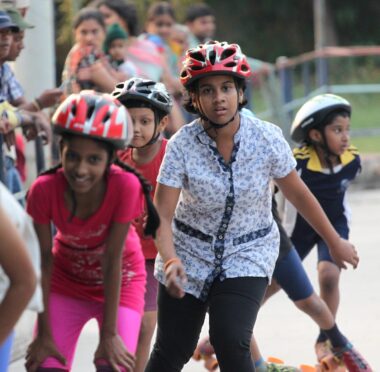
Inline skating also fosters social skills among children, which is essential for their overall development. As kids participate in skating activities, they often skate in groups or classes. This social interaction encourages teamwork and communication. When children skate together, they learn valuable lessons about cooperation, camaraderie, and respect. They can share tips or help each other improve, reinforcing a sense of community. Sharing successes and challenges with peers enhances their bonding and communication skills. Additionally, by attending skating rinks or parks, children interact with other skaters. This exposure helps them learn how to handle different social situations and develop essential interpersonal skills. The social aspect of inline skating plays a pivotal role in enhancing emotional intelligence as well. Children learn to read social cues and manage emotions while interacting with others. The relationships they forge while skating can lead to lifelong friendships. Furthermore, these social skills can prepare them for future group activities, such as school projects or sports. As kids advance in their skills, they also gain a sense of belonging, further promoting their confidence. Therefore, inline skating serves as a platform for both physical fitness and social development.
The Role of Parental Support in Inline Skating
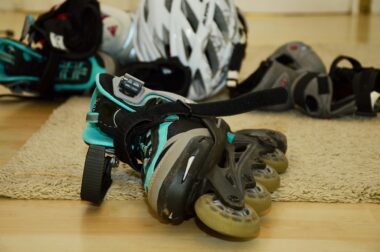
Parental support is crucial when it comes to children participating in inline skating. Guidance and encouragement from parents can significantly influence a child’s experience and development in the sport. For instance, parents can create a positive atmosphere by engaging in skating activities with their kids. This involvement shows children that their efforts are valued. Providing proper gear, such as safety pads and well-fitted skates, contributes to a safer learning environment. Additionally, parents can help set realistic goals for their children in skating. This collaborative goal-setting not only boosts confidence but also helps instill a sense of responsibility. When parents acknowledge the milestones achieved, children feel a sense of accomplishment, reinforcing their commitment to the sport. Furthermore, attending skating events or competitions can serve as motivation for children. It exposes them to different aspects of the sport and provides opportunities for them to learn from others. Observing skilled skaters can inspire them to hone their skills. Therefore, parental support acts as a foundation for building discipline and focus while encouraging healthy recreational habits in children through inline skating.
Another significant benefit of inline skating is its impact on physical health and fitness. Inline skating offers a cardiovascular workout akin to jogging, contributing to overall health. Children enhance their endurance and stamina while enjoying a fun activity, making it a favorable alternative to traditional exercise. Moreover, inline skating engages various muscle groups, including the legs, core, and arms. The balance required while skating strengthens the body, promoting better coordination. Healthy habits developed during childhood can last a lifetime. Inline skating also helps children maintain an active lifestyle, reducing the risk of childhood obesity. As they learn to enjoy skating, it promotes a habit of regular physical activity. This habit is crucial in developing resilience and discipline as they engage in a sport they enjoy. By exerting energy and enjoying the outdoors, they simultaneously improve their mental well-being. The improved physical health resulting from regular inline skating can also support better focus in academics. Healthier children perform better academically, leading to higher self-esteem. Therefore, the physical benefits of inline skating intertwine with cognitive improvement, enhancing their discipline and focus.
As children progress in their inline skating skills, they develop a stronger sense of self-efficacy and empowerment. Learning to master techniques, such as stopping, turning, and performing tricks builds confidence. With each achievement, whether big or small, children become more aware of their abilities. This growing self-confidence plays a pivotal role in encouraging them to take on new challenges. By pushing their limits, children learn that success is achievable through effort and practice. This mindset extends beyond skating into everyday life situations. It allows them to approach academic tasks with a sense of capability and determination. Furthermore, by overcoming the inevitable falls and setbacks, they internalize the lesson of resilience. Children learn that failure is not the end; instead, it is often a stepping stone to improvement and success. This understanding encourages a proactive, growth-oriented mentality. As they skate and enjoy the freedom it provides, they simultaneously strengthen their character. The development of self-efficacy in inline skating shows how recreational activities can foster personal growth. Thus, inline skating becomes a tool for building discipline and focus, preparing children for future challenges.
Conclusion: The Lifelong Benefits of Inline Skating
In conclusion, inline skating offers numerous advantages that extend well beyond the rink. The discipline and focus cultivated through this sport provide crucial life skills for children. As they commit to learning and improving their skills, they apply these lessons to academic and social situations. The interplay between physical activity and mental engagement enhances cognitive abilities, fostering long-term positive outcomes. By encouraging healthy habits and promoting self-efficacy, inline skating nurtures a foundation essential for personal development. Furthermore, the connection established between children and their parents during skating is pivotal for emotional growth. As families engage in this activity, they create lasting memories that strengthen relationships. The discipline developed will assist children in succeeding in various aspects of their lives, including school and friendships. Therefore, parents should consider introducing their children to inline skating. By encouraging this activity, they are investing in their child’s future, ensuring they grow up with the necessary tools to face life’s challenges. Overall, inline skating stands as a multifaceted sport that paves the way for a healthier, more fruitful childhood experience.
Inline skating is an increasingly popular sport among children for various reasons. Parents appreciate the numerous benefits associated with inline skating. Many families consider inline skating as an excellent recreational activity that promotes physical fitness, social skills, and a sense of achievement. Consequently, more children seek to practice this exciting sport. Inline skating involves rolling on skates equipped with wheels aligned in a single line, providing stability and agility. Therefore, children readily participate in inline skating activities, seamlessly combining exercise and fun. As each child learns to master their skating abilities, they gradually discover a sense of responsibility in pushing their limits and accomplishing new tricks. Regular practice allows them to experience growth in their skills. This invigorating sport not only builds physical strength but also instills discipline and focus in young skaters. They understand that commitment and effort lead to mastering their inline skating skills. Parents often support their children in learning this engaging sport. With the right encouragement and guidance, children can thrive both as skaters and as individuals. Inline skating stands as an exemplary representation of how physical activity can positively shape a child’s life journey.