
Hydration Strategies for Fitness Competitors
Hydration is crucial for fitness competitors as it impacts performance, recovery, and overall well-being. Maintaining optimal hydration levels can significantly affect your competition results, making it imperative to understand your body’s needs. Water is the primary choice for hydration, but competitors often overlook the role of electrolytes. During intense training sessions or competitions, athletes lose water and vital minerals through sweat. Thus, incorporating electrolyte-rich beverages can aid in achieving optimal hydration levels. Sports drinks, coconut water, or electrolyte tablets can be useful options. However, competitors must be mindful of sugar content in many sports drinks, which can lead to unnecessary energy spikes and crashes. Focusing on incorporating water-rich foods like fruits and vegetables can also improve hydration. Leafy greens, cucumbers, and oranges are excellent choices. Planning your hydration needs before, during, and after competitions is essential. A structured hydration strategy can enhance performance and minimize cramping. Keep a hydration log to track fluid intake and monitor signs of dehydration. Pay close attention to urine color as a quick indicator of hydration status, allowing you to adjust your fluid intake accordingly. Consistent hydration will help maintain peak performance.
Timing Your Hydration
The timing of hydration is just as critical as the quantity. Drinking water at strategic intervals can optimize your performance and prevent fatigue. It’s recommended to start hydrating well before your competition day. Leading up to an event, aim to increase your water intake gradually over several days. This practice will prepare your body for the physical demands it will face during competition. On the day of your event, drink water regularly, but avoid excessive amounts right before competing, which could lead to discomfort. A good rule of thumb is to drink about 16-20 ounces of water two hours before the event. During the competition, take small sips instead of large gulps to avoid stomach cramps. Small, frequent hydration can ensure your body maintains its performance without unnecessary interruptions. Post-competition hydration is equally important. Replenishing lost fluids helps speed up recovery and reduces soreness. Consider incorporating protein shakes with added electrolytes or coconut water after intense competitions. Following a consistent hydration strategy will ultimately lead to sustained energy levels, allowing for a stronger performance and quicker recovery.
It’s important to listen to your body’s signals when managing hydration. Dehydration can lead to serious health issues, especially during intense physical exertion like fitness competitions. Symptoms of dehydration may include extreme thirst, dry mouth, fatigue, or dark colored urine. Competitors should become familiar with these signs to improve their hydration strategies effectively. Remember that individual hydration needs vary significantly depending on factors such as body weight, climate, and sweat levels. As a rule of thumb, athletes can monitor fluid loss by weighing themselves before and after workouts. A general guideline is to drink 16-24 ounces of fluid for every pound lost. Monitoring your body’s response to different hydration strategies is essential for optimizing performance. Some competitors may benefit from tailored hydration plans based on specific needs, particularly during events that last several hours. Working with a nutritionist or a hydration expert can help craft an effective plan. Always remember that prevention is key.The consequences of dehydration can derail hard work and planning that have been put into training. Staying ahead of your hydration needs can not only extend your performance but also improve your overall physical resilience.
Utilizing Hydration Tools
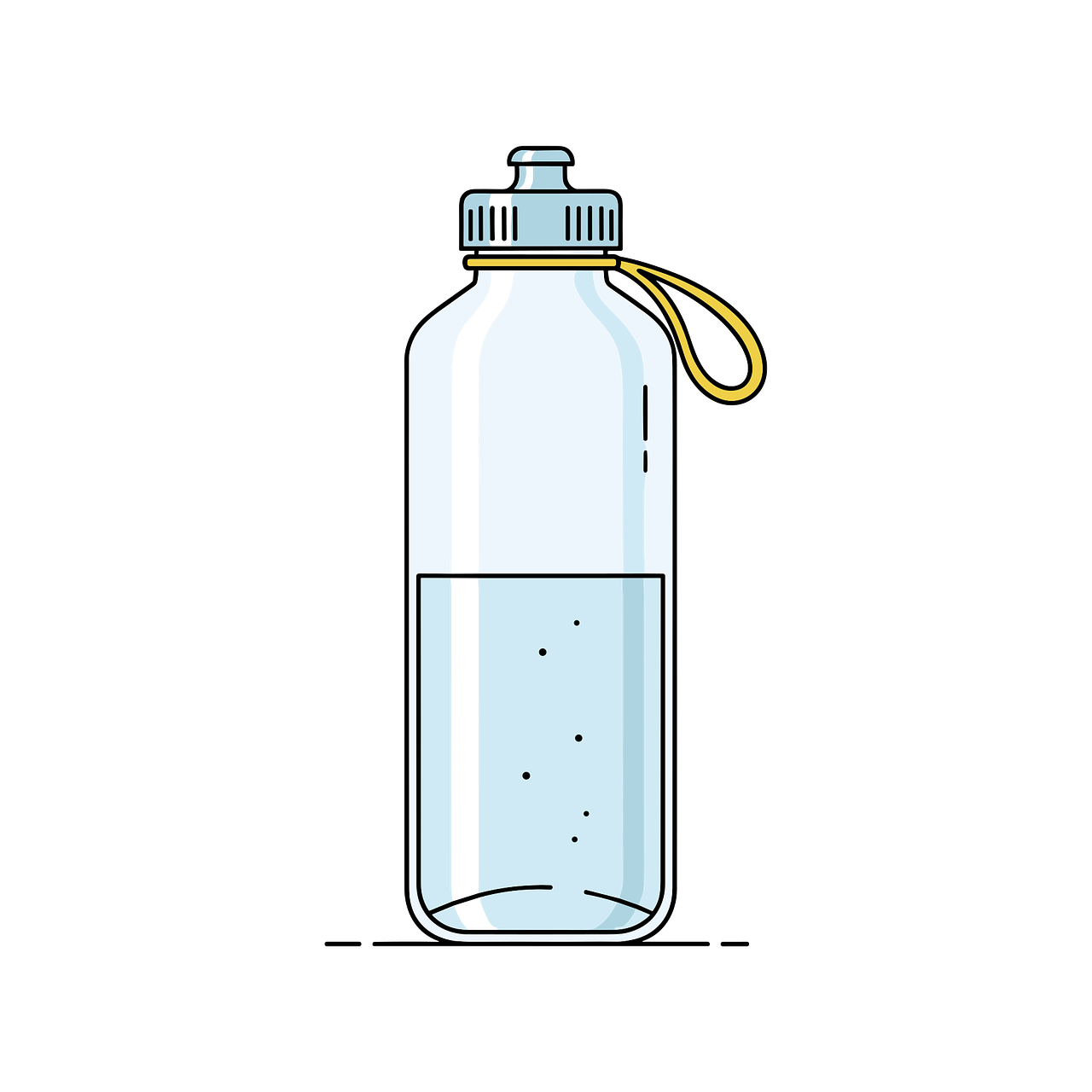
There are various tools and products available to assist with hydration monitoring, and these can greatly benefit fitness competitors. Hydration packs and smart water bottles equipped with sensors can track fluid intake in real-time. Utilizing such technology can simplify the process of managing hydration, providing you peace of mind during high-pressure events. Additionally, various applications on smartphones offer reminders and tracking features to support your hydration habits. These tools can also help establish a consistent routine, which is essential for all athletes. You can set personal hydration goals and record daily intake, making it easier to stay accountable. Measuring your hydration levels post-activity often involves methods like urine analysis or more advanced biometric measurements to ensure you stay within your optimal range. While technology can be a great ally, listening to your body remains paramount. Always have customizable hydration options available, such as flavored water or electrolyte drinks. Special considerations must be taken when competing in heat or high humidity. In such conditions, adjust your hydration plan to ensure optimal mineral replenishment. In that way, you can maximize your competition readiness and performance.
One of the most commonly overlooked aspects of hydration for fitness competitors is the importance of pre-competition hydration rituals. Properly preparing your body ahead of the big day can greatly contribute to success. Start by assessing your fluid intake over the week leading up to the event. Binge drinking water the night before is not effective; rather, you should prioritize consistent hydration in the days leading up to the event. Consider consuming foods high in water content, such as soup or smoothies, as they can be absorbed better. During the final hours before your competition, stick to light snacks that are easy on the stomach but still hydrating, like fruits or yogurt. Avoid caffeine or alcohol, as they can lead to dehydration. A well-structured pre-hydration plan can ensure you feel energetic and light-headed as you take the stage. Consider visualization techniques as you prepare. When you are mentally prepared and feeling hydrated, you’re more equipped to face the physical challenges ahead. After the contest, a good recovery routine should incorporate hydration to mitigate fatigue effects. Emphasize the need for continuous hydration after a rigorous workout as your body benefits just as much afterward.
Hydration and Diet Interplay
Understanding the interplay between diet and hydration is essential for competitors in any fitness realm. A well-rounded diet contributes to overall hydration levels, as many foods contain water content which can aid in a competitor’s hydration strategy. For instance, fruits and vegetables such as watermelon, strawberries, or celery can contribute significantly to fluid intake. Furthermore, a diet rich in whole grains helps manage energy levels and provides necessary nutrients that work in conjunction with hydration efforts. Balance is key. Competitors must ensure they aren’t overlooking the importance of hydration on their meal plans. Excessive sodium intake can exacerbate dehydration; meanwhile, meals rich in potassium can help maintain fluid balance in the body. The bond between adequate hydration and dietary composition makes it crucial to consistently evaluate your nutrition choices leading up to the competition. Aim for at least five servings of varied fruits and vegetables each day to help support proper hydration and nutrient balance. Ultimately, the goal is to provide the body with the needed fuel and fluids to perform at its peak, ensuring success in fitness competitions.
Another vital aspect for fitness competitors to understand is the role of hydration in recovery. Proper hydration assists in muscle repair and growth post-exercise, which is especially important after intense training or competition. Water aids in transporting nutrients, removing metabolic waste from the body, and preventing muscle cramps. While hydration is integral, it’s equally important to combine it with adequate post-workout nutrition. Consumption of protein-rich foods along with hydration can facilitate muscle recovery. Sports recovery drinks can provide a quick source of hydration and essential nutrients to accelerate the recovery process. Ensuring your post-competition fluid intake aligns with your activity level is critical. For long-lasting recovery, continue to hydrate well into the evening after physical exertion. Depending on the intensity and duration of the competition, consider additional sources of electrolytes, such as unflavored coconut water or electrolyte-infused drinks. By maintaining good hydration practices, competitors show strong evidence of recovery success and readiness for subsequent workouts or competitions. Competitors should strive for personal bests in both performance and recovery by becoming well-versed in optimal hydration strategies. Driven athletes can navigate their hydration needs while focusing on their performance goals.
Final Thoughts
The journey to success in fitness competitions relies heavily on effective hydration strategies alongside other critical elements such as nutrition and training. Being knowledgeable about how hydration affects performance can give competitors an edge over their opponents. Don’t underestimate the power of staying hydrated and monitoring your body’s signals regularly. Establishing a solid hydration plan includes not only drinking enough fluids but timing them well, understanding individual needs, and regularly assessing external factors like the environment or weather. With each competition, learn and adapt your hydration strategy, using data to enhance your approach. Focus on keeping your body fuelled with nutrient-rich foods that also provide essential hydration components. Remember to recover effectively post-competition, which is vital not only for muscle repair but for retaining overall health. Utilizing technology for monitoring, coupled with routine practices, excels your potential during competition preparation. Hydration doesn’t end at the finishing line; stay mindful of your body’s recovery needs as well. Maintaining a focus on these hydration practices will ultimately equip you to maximize your potential during competitions, leading to improved performance, greater resilience, and, consequently, more successful outcomes.