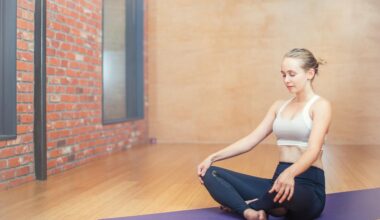

Integrating Pilates Movements into Boxing Cool Down
Completing a boxing workout effectively requires a dedicated cool down and stretching routine. Cool downs help to ease the heart rate back to a normal level, preventing dizziness and muscle stiffness post-training. Emphasizing Pilates movements during this phase can enhance recovery and flexibility. Pilates focuses on controlled movements, breathing techniques, and core strength, making it a complementary addition to boxing. Incorporating Pilates into cool down routines allows boxers to improve their flexibility and recovery significantly. Longer, deeper stretches promoted by Pilates can prevent injuries. Integrating these techniques is especially beneficial for boxers since they often experience tightness in their muscles after intense training sessions. Stretching is essential; longer durations and holds can help elongate muscles and improve overall performance in the ring. Pilates emphasizes alignment, balance, and controlled movements, aspects crucial for any athlete. Adapting a few key Pilates exercises into a post-boxing regimen may dramatically enhance training efficacy. Boxers need to prioritize their cool down routines, ensuring maximum muscle recovery. The false notion that stretching is unnecessary can lead to injuries, impacting performance negatively. Overall, implementing Pilates movements into boxing cool downs is an intelligent and strategic choice.
Benefits of Pilates for Boxers
Pilates offers numerous benefits to athletes, particularly boxers who need flexibility, strength, and balance. One of the most significant advantages is improved core strength, a vital component of effective boxing. A strong core enhances rotational power and stability, critical during strikes. Furthermore, core stability plays a crucial role in maintaining proper form while performing complex movements. In addition, Pilates helps boxers develop better posture, promoting optimal body alignment during training and fights. This increased awareness of body mechanics translates to better performance in the ring. Another key benefit of integrating Pilates movements into cool downs is injury prevention. Boxers often experience muscle tightness and tension, making them susceptible to injury during intense training sessions. By incorporating Pilates stretches, they can alleviate muscle tightness. Moreover, flexibility within the hips, shoulders, and back enhances their overall range of motion while delivering punches. Implementing Pilates movements as part of a cool down can significantly boost recovery times and rehabilitation processes. Focus on breath control in Pilates creates smoother transitions and enhances relaxation techniques. Overall, including Pilates into a boxer’s cool down is a scientifically-backed approach that fosters better performance outcomes.
Keen awareness of breath control is another vital aspect to consider for boxers. Breathing techniques become a fundamental pillar during cool down exercises. Pilates emphasizes breath as a means to engage deeper layers of muscle and relax tension held in the body. Boxers can utilize this to not only recover physically but mentally. Taking time to focus on deep breathing can help calm the mind after an intense session. It promotes mindfulness, which is crucial when recovering from physical exertion. Another important consideration is how Pilates movements focus on alignment. Proper alignment, a core principle of Pilates, directly benefits boxers by enhancing muscular efficiency. Boxers who develop an understanding of alignment can utilize their body more effectively, thereby enhancing their performance. Additionally, maintaining a strong focus on alignment aids in injury prevention. Improper form while punching or moving can lead to muscle strain or joint issues. Therefore, integrating Pilates into a cool down routine solidifies the importance of properly aligning the body after intense activity. In this way, boxers are not only cooling down but setting themselves up for long-term success as well. This holistic approach to recovery is increasingly being recommended by professionals.
Essential Pilates Movements for Conditioning
To truly benefit from Pilates during a boxing cool down, incorporating several essential movements is crucial. The ‘Roll Down’ exercise is foundational for the spinal alignment and flexibility it provides. This movement encourages body awareness and promotes relaxation after intense physical exertion. Another beneficial Pilates movement is the ‘Spine Stretch Forward’. This exercise is exceptional for elongating the back muscles, relieving tension after upper body training. The ‘Cat-Cow Stretch’ helps boxers mobilize their spine and improve overall back health, ensuring proper movement patterns. Moreover, ‘Leg Circles’ are fantastic for enhancing hip flexibility and coordination, crucial for footwork in boxing. Other essential movements include ‘The Saw’ and ‘Single Leg Stretch’, both of which can help increase flexibility and core engagement. Each of these Pilates movements offers specific advantages when executed correctly. Integrating them into a cool down routine ensures boxers recover effectively while promoting better range of motion for upcoming sessions. Focusing on gradually transitioning into these movements helps avoid abrupt changes that may lead to injury. Moreover, consistency in practicing these movements will ultimately yield impressive results in boxing performance.
Duration and repetition of exercises are significant factors during cool downs. Knowing how long to hold each stretch is crucial for maximizing their benefit. Holding stretches for at least 20-30 seconds is often recommended to allow muscles to relax and lengthen adequately. Boxers should vary their repetitions and intensity based on their individual needs and training intensity. Additionally, it is advisable to perform Pilates movements in a controlled manner, focusing on stability and alignment. Maintaining awareness of one’s body and breath enhances the effectiveness of each exercise. This connection with the body creates an uplifting experience that promotes healing and recovery. Another significant aspect is the incorporation of modified variations to accommodate different fitness levels among boxers. Ensuring that every participant is comfortable while still challenged allows for better learning outcomes. Professional trainers should take the time to demonstrate modified exercises while monitoring their client’s form. Emphasizing quality over quantity is paramount. Partnering Pilates movements with basic boxing stretches brings a balanced approach to the cool down process. This balanced strategy reinforces the synergy between Pilates and boxing, leading to improved performance. Overall, focusing on duration, repetition, and modifications creates an inclusive environment.
Creating a Structured Cool Down Routine
Designing a structured cool down routine that effectively integrates Pilates movements is crucial for optimal recovery. This routine should begin with low-intensity cardiovascular activity, such as walking or light jogging, for about five to ten minutes. Gradually shifting to static stretching ensures the heart rate decreases before engaging in Pilates movements. After completing initial stretches, it is advisable to implement targeted Pilates techniques focusing on core stability and flexibility. Select key movements that address the boxer’s specific muscle groups utilized in their training. This targeted approach maximizes the benefits of the cool down. Utilizing a timeline of 20-30 minutes for the entire process is recommended to ensure thorough recovery. Boxers should also be encouraged to give feedback on their comfort levels during cool downs. Monitoring the effectiveness of each session allows trainers to make necessary adjustments. Incorporating relaxation techniques like meditation or guided breathing at the end enhances the holistic recovery experience. It also aids in mental recovery after intense physical exertion. A structured routine that includes feedback from boxers fosters an environment of continuous improvement. Additionally, encouraging boxers to maintain consistency with this routine leads to lasting benefits.
Monitoring progress plays a significant role in the ongoing practice of integrating Pilates into boxing. Regular assessments help measure improvements in flexibility, core strength, and recovery times. Creating a log for each boxer to document their experiences can provide valuable insights for future sessions. Moreover, periodic evaluations or check-ins with trainers allow boxers to understand the benefits derived from these practices. Adapting Pilates movements according to progress ensures that boxers remain challenged and engaged in their training. Incorporating feedback from boxers creates more personalized and effective cool down routines. Trainers should focus on the communication of goals and aspirations while offering constructive advice. Documenting progress fosters motivation and gives trainers substantial information to modify routines as required. Establishing group classes that emphasize Pilates integration while also including individual goals adds an element of camaraderie. Collaborating with other boxers enables shared learning experiences and encourages consistency. Commitment to progress in achieving recovery outcomes is essential. Ultimately, integrating Pilates movements into boxing cool downs can lead to significant improvements in overall performance, both in the ring and health. By fostering a strong connection with recovery practices, boxers will appreciate their training regimen.
Conclusion: The Path Forward for Boxers
In conclusion, integrating Pilates movements into boxing cool downs presents valuable advantages for boxers of all skill levels. Enhancing recovery, flexibility, core strength, and overall performance creates a solid foundation for athletes. By understanding the importance of proper cool down routines, boxers can prioritize their health long after their training sessions. It is essential for trainers to adapt these methods while maintaining individual boxer needs. This personalized coaching style will create an engaging environment where boxers feel empowered to take control of their recovery. Establishing a culture that recognizes the significance of post-training routines ensures that athletes recognize the full benefits. The increase in focus on core stability, alignment, and flexibility reinforces optimized boxing performance. Pilates is not merely an additional routine but a crucial ally in the journey of athletic development. Encouragement and consistency in practice will lead boxers toward achieving their goals. Ultimately, embracing the idea that recovery is equally as important as training can transform their boxing experience. Creating a holistic approach that involves Pilates and boxing will champion their long-term athletic success. With discipline and focus, every boxer is capable of reaching new heights.