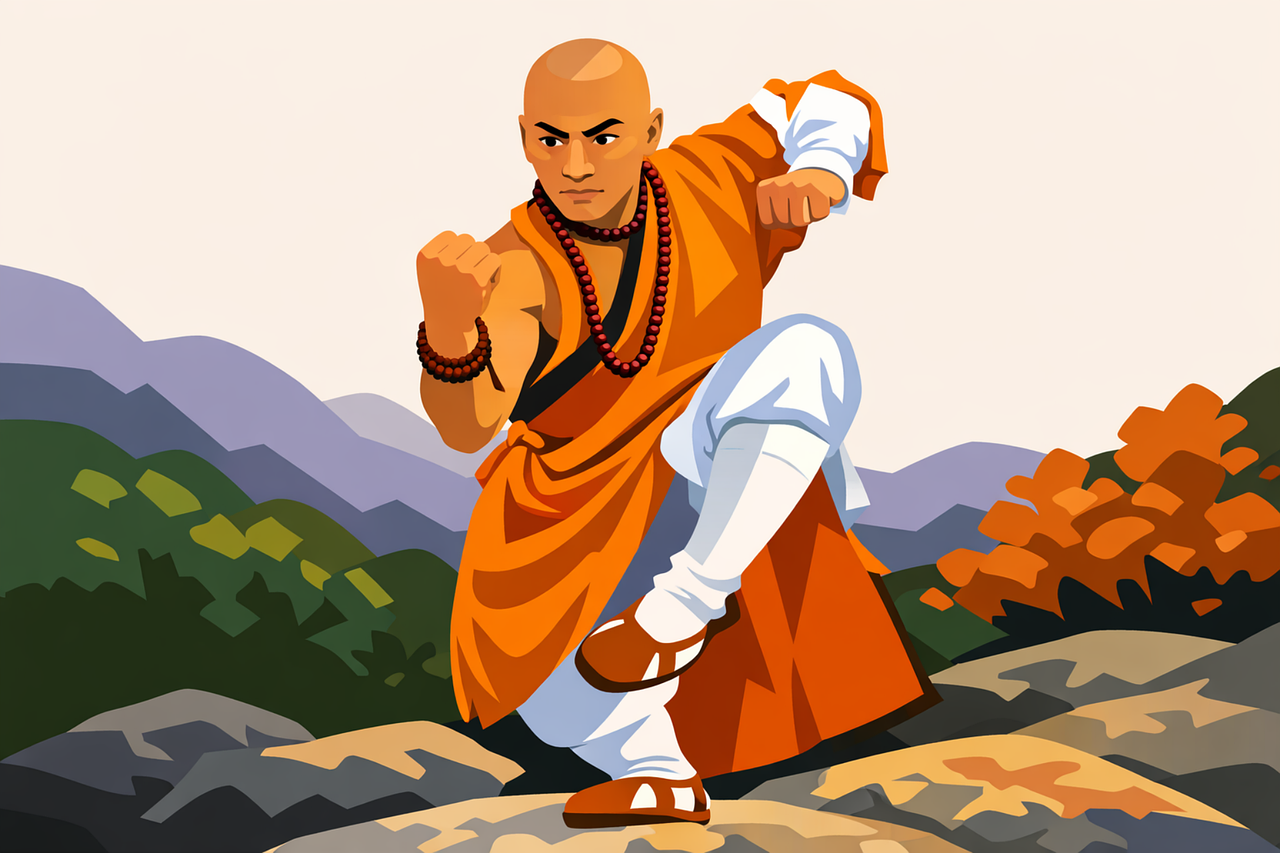

Martial Arts Proverbs and Sayings: Wisdom Passed Through Generations
Wisdom in martial arts is often encapsulated in proverbs and sayings that reflect deeper philosophies and teachings. These phrases carry lessons and insights accrued over centuries, typically rooted in the experiences of martial artists. From the East to the West, martial arts culture has shared these gems of wisdom, promoting respect, humility, discipline, and perseverance. They serve not only as reminders for practitioners but also as guides for living a life where honor and courage are prioritized. Using short, impactful sayings makes complex ideas easily digestible, encouraging practitioners to reflect on their meaning. For example, the saying, “Fall seven times, stand up eight,” inspires resilience and perseverance, fundamental principles in both martial arts and personal growth. As martial arts continues to evolve, these proverbs remain timeless, connecting generations of fighters and leaders. Some sayings evoke imagery, invoking the spirit and mindset required in combat. This merger of philosophical thought and practical application symbolizes the essence of martial arts and its teachings across cultures, demonstrating the universal value of self-discipline and respect. The profound simplicity of these sayings aids practitioners in internalizing these broader life lessons.
One of the most poignant insights drawn from martial arts proverbs is the emphasis on respect and honor. These virtues are integral to the practice, reinforcing the understanding that martial arts is not just about physical prowess but also about character development. For instance, the saying, “Respect begets respect,” underscores the importance of showing respect to teachers, peers, and even opponents. This mindset fosters an environment where learning thrives, as students become more receptive to guidance and constructive criticism. Additionally, traditions within martial arts, such as bowing before entering a dojo, embody this principle of respect, setting a tone of humility and appreciation. Many practitioners view their dojo as a sacred space where personal growth occurs, and this is cultivated through mutual respect. Even in competition, maintaining respect for one’s opponent reflects profound maturity; with the phrase, “The true opponent is within,” often echoing in the minds of fighters. Learning to confront one’s own limitations and weaknesses is seen as a path toward mastery, making respect a recurring theme throughout martial arts culture and teachings. The wisdom embedded in these sayings often transcends the physical aspects of the sport.
The Role of Discipline in Martial Arts
Discipline is another vital aspect highlighted in martial arts proverbs, representing the commitment required for mastery. The concept of discipline resonates deeply across various martial traditions, manifesting in rigorous training regimes and strict adherence to practices. The saying, “Discipline is the bridge between goals and achievement,” captures this essence perfectly, emphasizing the need for consistent efforts to reach one’s potential. Through years of practice, martial artists learn that true mastery requires immense dedication and ongoing practice, both mentally and physically. This often means enduring hardships, setbacks, and pain, qualities explicitly addressed in other proverbs like, “Pain is temporary, pride is forever.” This mentality trains practitioners to embrace challenges as intrinsic to their journey, inspiring many to achieve greatness. Moreover, discipline extends beyond the dojo or mat; it translates to all spheres of life, teaching students to persist in their endeavors. Whether facing a difficult workout or personal goal, the discipline acquired through martial arts cultivates resilience, equipping individuals with the tools necessary to overcome life’s challenges. This profound understanding reinforces a martial artist’s commitment to the pursuit of excellence in every facet of existence.
The profound relationship between perseverance and martial arts is eloquently captured in various sayings, illustrating how this quality is woven into the very fabric of training. The saying, “Victory belongs to the most persevering,” captures the essence of determination perfectly. This ability to remain resolute in the face of trials and tribulations emphasizes the long journey of a martial artist. Practitioners learn that setbacks can be powerful teachers. By persevering through adversity, they often discover strengths and capabilities they never knew existed. This mentality of pushing forward, regardless of difficulties, is forged through countless hours of dedication and striving for improvement. The phrase, “Courage is not the absence of fear; it is the ability to conquer it,” embodies this spirit of resilience, reminding practitioners that fear is a natural part of growth. Embracing fear rather than avoiding it equips martial artists with mental fortitude. This perspective not only applies to fights and competitions but also enriches personal lives. With every obstacle faced, the path of perseverance lays the groundwork for a disciplined approach to life challenges beyond martial arts, highlighting the depth of wisdom in these sayings.
Unity and Community in Martial Arts
The concept of unity and community resonates deeply within martial arts, reinforced by various proverbs that celebrate camaraderie among practitioners. One such saying, “Together we rise, together we fall,” encapsulates the essence of community in martial arts. The shared struggles during training forge strong bonds, creating a supportive environment where each individual encourages the other. This spirit of unity transcends the dojo, leading to friendships that last a lifetime. Practitioners learn to support one another’s achievements and growth, reinforcing the collaborative nature of martial arts. Such proverbs highlight the significance of teamwork, especially during competitions where unity can lead to success. Another powerful phrase, “Alone we can do so little; together we can do so much,” illustrates the strength found in mutual support and collective effort. This notion of togetherness nurtures a sense of belonging and shared purpose, essential in creating a motivating atmosphere. The environment fosters collaboration and respect, ultimately enhancing everyone’s journey in martial arts. This scholarship of sayings continues to inspire new generations of martial artists, ensuring that the principles of unity and friendship remain integral to martial arts culture.
In the realm of martial arts, the significance of mental fortitude cannot be overstated. Proverbs emphasizing mental strength, such as “The mind is the ultimate weapon,” serve as reminders that true mastery transcends physical skill. Mental fortitude allows martial artists to strategize and navigate challenges effectively, making it an essential trait for success. This understanding cultivates focus and clarity, enabling practitioners to remain calm under pressure. As they train, they learn to harness their thoughts and emotions, honing their mental abilities to execute techniques with precision. The saying, “What a student learns in the dojo, they can take into the world,” reinforces the idea that the mental discipline acquired through martial arts extends beyond training sessions. Consequently, practitioners develop a mindset geared toward overcoming obstacles, leading to enhanced performance in various aspects of life. This resilience fosters improved decision-making and problem-solving skills, enriching one’s ability to face societal challenges. In essence, martial arts proverbs provide not only a guide to physical training but also a comprehensive framework for mental development, showcasing the interconnectedness of body and mind. The value of these sayings continues to influence countless individuals across the globe.
The Legacy of Martial Arts Proverbs
As we reflect on martial arts culture, it is apparent that proverbs and sayings carry immense weight in shaping values and principles. They are more than simply motivational quotes; they are embodiments of traditions passed down generations. Many sayings originate from the wisdom of masters who cultivated their philosophies through years of experience, reflecting deep-rooted beliefs in courage, integrity, and humility. This legacy ensures the teachings of martial arts endure, influencing the perspective of new practitioners. The convergence of diverse cultures in martial arts, with sayings transcending linguistic and geographical barriers, highlights their universal relevance. Moreover, as martial arts continues to globally expand, these proverbs resonate with individuals from varied backgrounds, nurturing a sense of shared identity among practitioners. The future generation stands to benefit from this rich repository of wisdom, enhancing their personal journeys and fostering a deeper appreciation for the art. By internalizing these teachings, practitioners carry the legacy forward, breathing life into these age-old tenets. Consequently, the impact of martial arts proverbs extends beyond the dojo, shaping not only fighters but also better individuals, proving their importance in culture and personal development.
In conclusion, martial arts proverbs and sayings serve as invaluable guides that encapsulate the core teachings of martial arts culture. They provide insights into various aspects of growth, character, and the art of fighting. Across all martial traditions, these sayings inspire resilience, commitment, and unity among practitioners, paving the path toward inner peace and mastery. By adhering to the wisdom embodied in these sayings, martial artists transform their approach to challenges, fostering a sense of respect toward others and themselves. Such proverbs transcend the physicality of combat, delving into the mindsets needed for personal development and overall wellness. As these teachings endure through generations, practitioners carry the torch of knowledge, enriching their lives while contributing positively to society. The storied legacy behind these sayings mirrors the richness of the martial arts tradition itself, where every learned lesson becomes a stepping stone. The tapestry of experiences woven by these teachings cultivates not only formidable fighters but also compassionate human beings. This underscores the beauty of martial arts culture, where profound life lessons await discovery, deeply rooted in wisdom passed through generations.