
Portion Control: A Key to Successful Weight Loss
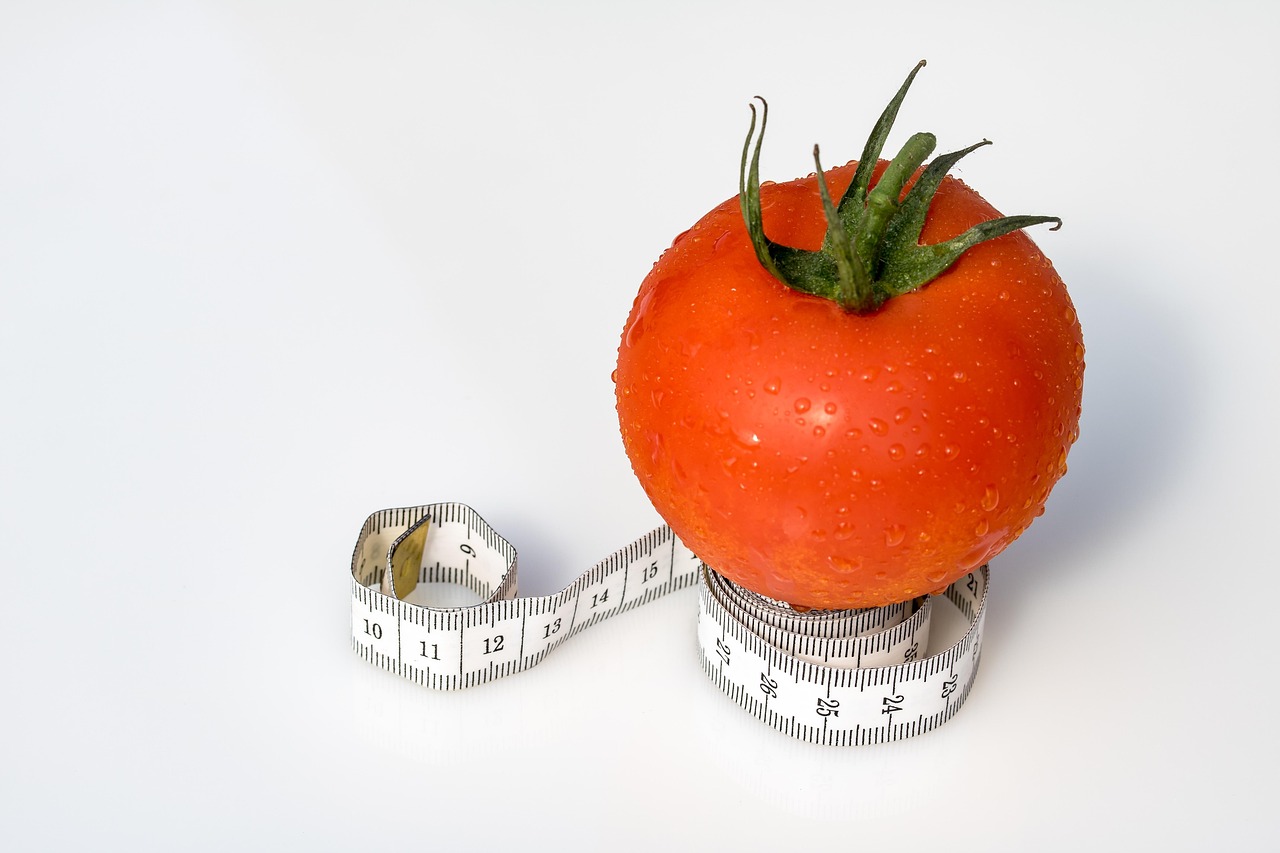
Portion control is a vital aspect of any weight loss journey. By managing the amount of food you consume at each meal, you are better able to monitor your overall caloric intake. Many people struggle with understanding what constitutes a proper portion size, leading to overeating and weight gain. To effectively manage your food portions, consider utilizing tools such as measuring cups, food scales, or simply choosing smaller plates. Be mindful of your portion sizes, as this can significantly impact your success. Consuming large portions, even of healthy foods, can lead to excessive calorie intake. Regularly practicing portion control can help create lasting habits that will assist you with your long-term weight management goals. Develop an awareness of the nutritional content of your food and its serving size, ensuring you stay on track. Experiment with using your palm to determine appropriate protein portions, while your fist can help guide you for carbohydrates and vegetables. Over time, these practices will improve your understanding of the right amounts to eat. This leads to healthier eating habits and an overall improved quality of life.
Understanding your body’s hunger cues is a vital part of effective portion control. Take the time to distinguish between physical hunger and emotional cravings. Physical hunger often develops gradually, while emotional cravings can strike suddenly. To enhance awareness, try engaging in mindful eating. This means placing your focus solely on the meal at hand, allowing yourself to fully savor each bite. By minimizing distractions, you’ll be more in tune with your body’s signals. It’s essential to listen to your body’s needs rather than relying on external influences. Slow down and take a moment between bites to assess your hunger level. Additionally, consider keeping a food journal to track what you eat, your emotions surrounding meals, and your hunger levels. This can help you identify patterns and understand your relationship with food. Over time, recognizing these patterns may help you pinpoint triggers for emotional eating, which can be beneficial in maintaining effective portion control. Remember that portion control isn’t about strict limitations, but rather about understanding, moderation, and making informed choices regarding your meals. Be kind to yourself in this process, as it takes practice and commitment.
Strategies for Effective Portion Control
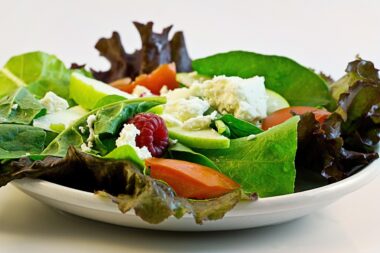
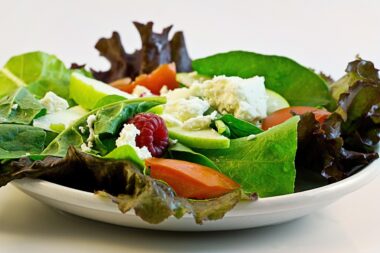
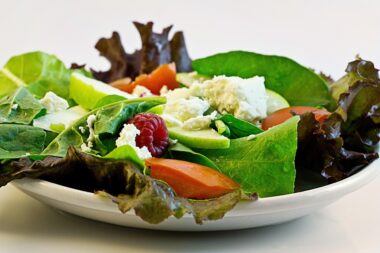
Several strategies can improve your portion control techniques, primarily focusing on the visual appeal of your meals. To begin with, try to fill half your plate with fruits and vegetables, about one quarter with protein, and one quarter with whole grains or starchy foods. This method ensures that you’re consuming the necessary nutrients while keeping calories in check. Also, consider investing in portion control containers or pre-portioned meals to simplify dinner time. These containers help you adhere to recommended serving sizes without fuss. Furthermore, adjust your serving sizes based on the meal type, as calorie needs vary throughout the day. For example, a smaller breakfast and larger dinner may work for some individuals. When dining out, consider asking for a half-portion or sharing meals with friends. Restaurants often serve large portions that exceed necessary caloric intake, so adjusting orders can be helpful. Meal prepping can also support portion control; by preparing your meals in advance, you’re more likely to consume the appropriate portions at each meal, thereby enhancing your weight loss goals.
Using mindfulness techniques during meals can significantly improve your portion control efforts. Make it a habit to appreciate the aroma, texture, and presentation of your food before you begin eating. This experience encourages you to eat slowly and thoughtfully. When you take the time to enjoy your meals, you are less likely to mindlessly overeat. Another tool you can use is to serve food in the kitchen instead of placing serving dishes on the table. This simple adjustment makes it easier to control portions, thus discouraging second helpings. By controlling your environment, you limit the temptation to go back for more food. Paying close attention to your portion sizes helps create lasting habits that promote weight management success. Additionally, staying hydrated can play a crucial role in curbing unnecessary snacking. Drinking water before and during meals can help you feel fuller, allowing you to eat smaller portions. Ultimately, these small changes can lead to significant improvements in your overall approach to portion control, contributing greatly to your weight loss journey.
Building a Sustainable Meal Plan
Creating a sustainable meal plan is essential for effective weight management through portion control. Begin by outlining your weekly meals, ensuring they are balanced and include all food groups. Incorporate a variety of colors on your plate, as different colors often represent various nutrients beneficial to your overall health. Planning meals in advance allows you to prepare appropriately sized portions and avoid impulse eating. Aim for meals containing adequate protein, fiber, and healthy fats, as these ingredients keep you satiated for longer periods. Depending on your preferences, you may wish to incorporate recipes that naturally adhere to portion control principles. For instance, consider pre-portioning snacks and meals in grab-and-go containers, making healthier choices easier. Also, keep your kitchen stocked with nutritious foods, making it more convenient to stick to your meal plan. Don’t forget to set aside time for meal prep sessions, as investing time upfront can save you from poor choices later. Over time, this commitment can foster better relationships with food while improving your overall health through effective weight management.
Educating yourself on the nutritional content of foods can play a significant role in portion control success. Understanding serving sizes and calorie counts equips you with the knowledge necessary for making informed choices. By reading nutrition labels, you can better grasp what you are consuming. Use this knowledge to guide your portion sizes while preparing meals. Staying informed about the benefits of certain foods can help you maintain motivation in your weight loss journey. Additionally, familiarize yourself with tools like food tracking apps to simplify monitoring. Many of these apps can provide calorie estimates and serving size recommendations, making it easier to track your intake. Continuous education enables you to make healthier decisions independently and keep you motivated. Establishing good habits takes time, but by remaining dedicated, you’ll develop a healthier relationship with food. Don’t hesitate to seek out recipes that encourage natural portion control. Engaging in a community focused on nutrition and health can provide support and inspiration, making your weight loss journey feel less isolating.
Final Thoughts on Portion Control
In conclusion, mastering portion control is a critical skill for anyone seeking successful weight management. Along your journey, remember that making small adjustments can lead to significant changes over time. Focus on understanding your hunger cues, creating a sustainable meal plan, and utilizing effective strategies for managing your portions. Additionally, remain patient with yourself and stay committed to your goals. It’s essential to create an environment that supports your efforts while fostering a positive relationship with food. Keep learning about nutrition, experimenting with portion sizes, and maintaining mindfulness during meals. Surround yourself with supportive individuals who share your goals or seek professional guidance when necessary. Embrace this journey as a series of steps, acknowledging progress and celebrating small successes along the way. Ultimately, effective portion control serves as a foundation for achieving and maintaining long-term weight loss results. As you implement these practices, watch as they contribute to better health outcomes and an improved quality of life. The key is consistency and dedication, both in adopting portion control techniques and embracing a holistic approach towards wellness.
By putting these strategies into practice, you’ll realize the power of portion control in your weight loss journey. Remember to embrace both the process and the outcome, recognizing that developing successful skills takes time and practice. With patience, you will cultivate healthier habits that last a lifetime. Reduce the temptation to engage in emotional eating by continuously reflecting on your hunger and fullness levels. Developing an awareness of your body’s cues can aid you immensely during your meals. Importantly, celebrate your accomplishments, no matter how small, and use these moments as motivation to continue forward. Adopting portion control techniques doesn’t mean sacrificing enjoyment from food but rather appreciating your meals in moderation for the sake of your health. Counteracting the cyclical nature of dieting can lead to sustained results when approached with a focus on balance and health. Each time you practice portion control, you are one step closer to your goals. Stay committed to your health and wellness. In time, your efforts will naturally yield fruitful results, enhancing your quality of life and bolstering your confidence when it comes to food.