
Strategies to Improve Swimming Speed in Competition
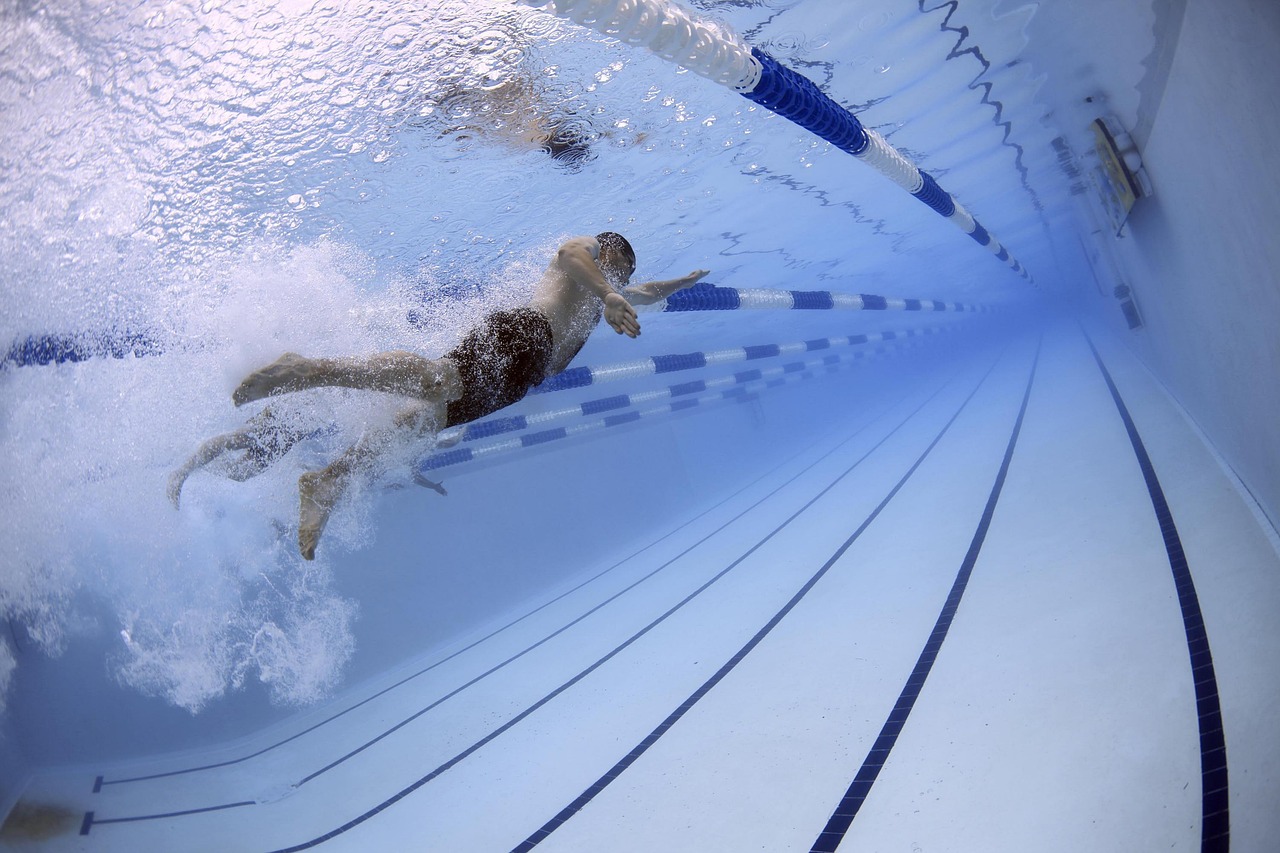
Improving swimming speed in competitive settings requires focusing on several key elements. The primary strategies include enhancing technique, increasing strength, and refining endurance. First and foremost, athletes must consider their swimming technique. Proper stroke mechanics are essential for minimizing drag and maximizing propulsion in the water. This involves breaking down each stroke, analyzing body positioning, and executing the catch and pull phases efficiently. Working with a coach to refine technique can yield significant speed increases, especially in races demanding precision. Secondly, strength training is vital. Targeting both upper and lower body muscles through specific exercises can help swimmers build power. Incorporating resistance bands, weights, and stability training can enhance muscle tone and explosive speed off the blocks. Additionally, swimmers should engage in core workouts as a strong core helps maintain balance and streamline body position. Lastly, endurance training cannot be overlooked. Interval training and longer swims build aerobic capacity and improve pacing during actual races. Each of these elements, when combined, creates a powerful formula for enhancing overall performance. Swimming at competitive levels also requires a commitment to regular practice, technique analysis, and a strategic training regimen.
Focus on Nutrition for Enhanced Performance
A well-planned nutrition strategy plays a significant role in boosting swimming performance and speed. Fueling the body with appropriate nutrients ensures that swimmers maintain high energy levels and optimal recovery. It is essential to consume a balanced diet rich in carbohydrates, proteins, and healthy fats. Carbohydrates serve as the primary energy source for endurance activities like swimming. Swimmers should consume complex carbohydrates such as whole grains, fruits, and vegetables to maintain sustained energy throughout their training sessions. Protein intake is also crucial, as it aids in muscle repair and growth. Incorporating lean proteins such as chicken, fish, beans, and dairy into meals can enhance muscle recovery post-workout. Furthermore, hydration is essential to performance. Swimmers must stay hydrated before, during, and after workouts. Dehydration can lead to decreased performance and fatigue. Consuming electrolytes through drinks or natural sources like coconut water can help balance levels. For those training intensely, meal timing should be optimized, with pre-workout snacks including carbs and light proteins. Remember that individual needs may vary; thus, consulting a sports nutritionist can help tailor optimal nutritional strategies.
In addition to training and nutrition, mental preparation plays a key role in enhancing competitive swimming speed. Developing a strong mindset can significantly impact a swimmer’s performance on race day. Visualization techniques are effective for competitive swimmers, as they help in mentally rehearsing race scenarios and achieving a state of focus. Swimmers can practice imagining their strokes and finishes, tuning into the feelings of a successful performance. This mental rehearsal builds confidence and reduces anxiety. Furthermore, developing coping strategies for race day stress is essential. Techniques such as deep breathing or mindfulness can help swimmers manage pre-race jitters and improve their calmness before diving into the pool. Setting realistic goals and focusing on personal bests can shift the emphasis from external pressures to personal improvement, resulting in more enjoyable experiences. Affirmations can also encourage a positive mindset, allowing swimmers to reinforce their self-belief. Additionally, a supportive team environment or family can motivate swimmers to push their limits while fostering collaboration. By integrating these mental strategies, swimmers can approach competitions with an enhanced determination and improved focus, which contribute positively to their speed and overall performance.
Elevate Dryland Training for Increased Speed
Dryland training is an integral aspect of competitive swimming that can lead to significant speed improvements. Engaging in strength and conditioning exercises outside the pool is essential for developing the physical attributes needed for fast swimming. Incorporating a well-rounded dryland program that includes functional exercises helps swimmers improve their overall fitness. Resistance training can build power in key muscle groups, which translates to stronger strokes. Athletes should focus on squats, deadlifts, and pull-ups, as these exercises mimic swimming motions and improve performance. Additionally, mobility work is vital. Stretching and flexibility exercises help swimmers achieve optimal ranges of motion for each stroke, reducing the risk of injury and improving efficiency in the water. Furthermore, incorporating plyometric exercises enhances explosiveness, which is crucial for quick starts and turns. Box jumps, medicine ball slams, and agility drills can prepare swimmers for competitive demands. Engaging in sport-specific activities, like using resistance bands or performing swim cords, can create a more targeted training environment that directly influences speed. Ultimately, an effective dryland training program combined with aquatic practice leads to enhanced competitive performance and better race outcomes.
Rest and recovery are critical components of training that directly influence a swimmer’s speed and performance. While training intensity is vital, neglecting recovery can lead to burnout, fatigue, and increased risk of injury. Athletes should incorporate active recovery days into their training schedule to maintain intensity without overstressing their bodies. Gentle activities, such as yoga or swimming drills focused on technique, can aid in recovery without causing fatigue. Additionally, periods of scheduled rest and well-defined tapering phases before major competitions allow swimmers to fully recover while retaining fitness levels. This allows optimal performance during peaks in training. Sleeping adequately is also crucial, as quality rest during the night contributes to muscle repair and mental sharpness. Swimmers should aim for 7-9 hours of sleep for optimal recovery. Monitoring fatigue levels through tracking tools or simply listening to the body can provide insights into when additional recovery is needed. Implementing massage therapy or utilizing foam rollers can alleviate muscle soreness and promote faster recovery times. By prioritizing rest and recovery, swimmers can maximize their energy levels and readiness, leading to improved speed during competitions.
Emphasizing Race Strategy for Competitive Advantage
A strong race strategy is essential for competitive swimmers seeking to improve their speed and obtain better results. Each swimmer must tailor their race plan based on personal strength and weaknesses, considering previous performances. Understanding pacing is one of the key aspects of a solid race strategy. Swimmers should practice their pacing during training sessions to identify their optimal speeds for various race distances. Overdoing it early can lead to fatigue,while holding back can waste potential speed. Working on sprint finishes can also enhance overall race strategy. Practicing a strong finish and increasing speed over the last laps can separate swimmers at the final moments of a competition. Additionally, pre-race routines provide a structured approach, allowing swimmers to visualize their plan and mentally prepare. Focusing on stroke counts and maintaining technique during high pressure situations can be beneficial. Utilizing insights from previous race experiences and analyzing race footage can lead to improved future strategies. Collaborating with coaches can also help fine-tune those plans for key competitive events. Thus, a well-thought-out race strategy, combined with training, nutrition, and mental preparation leads to impressive improvements in swimming speed.
In conclusion, various strategies can significantly elevate swimming speed in competitive settings. Focused training improves technique, strength, and endurance, while nutrition fuels performance and recovery times. Mental preparation and positive visualization techniques can nurture confidence, allowing swimmers to stick to their race plans effectively. Dryland training complements pool workouts, helping build the necessary strength and agility essential for splashing through waters with increased power. Additionally, understanding the need for adequate recovery helps swimmers maintain peak performance levels, preventing burnout. Implementing specific and personalized race strategies paves the way for better finishes, as athletes learn to optimize their efforts for their individual strengths. Furthermore, ongoing assessment and adjustments contribute to continuous development. Coaches should play a vital role in shaping personalized programs that assess performance and provide critical feedback. By combining these elements, swimmers can craft an effective approach to improve their competitive speed. Remember that small improvements accumulate over time, leading to significant results. Commitment, perseverance, open-mindedness to adapt strategies, and willingness to learn are vital traits for anyone in pursuit of excellence in competitive swimming.