
Top 10 Plyometric Exercises for Effective Weight Loss
Plyometric training is an exciting and dynamic approach to achieving weight loss goals. This form of exercise, which involves explosive movements, enhances muscular power and improves cardiovascular fitness. Engaging in a proper warm-up is essential to prepare the body adequately for high-intensity intervals during plyometrics. Start with light jogging or dynamic stretches to increase blood flow to the muscles. After warming up, focus on perform plyometric drills that effectively target your major muscle groups. Plyometric exercises not only help burn calories but also enhance your overall athletic performance. A well-structured plyometric workout can elevate heart rates quickly, ensuring maximum caloric expenditure within a short duration. These workouts also contribute to building lean muscle mass, which is crucial for long-term weight management. Incorporating a variety of plyometric exercises into your routine maintains interest and maximizes training efficiency. Effective plyometric exercises range from jump squats to box jumps, making them accessible to anyone looking to lose weight. Gradually progress in intensity to reap the full benefits of this powerful training style.
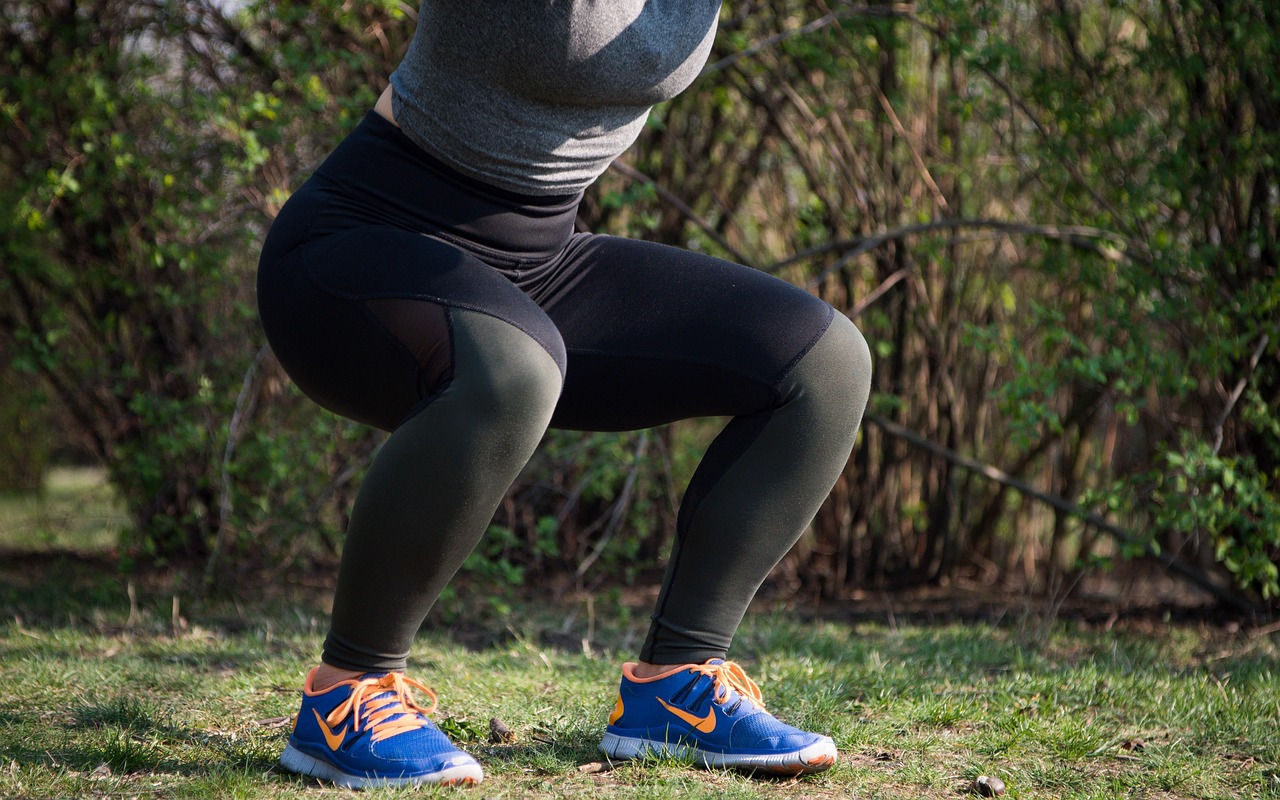
One of the most effective plyometric exercises for weight loss is the jump squat, which targets multiple muscle groups including the quads, hamstrings, and glutes. To perform a jump squat, start in a standing position with your feet shoulder-width apart. Lower into a squat, then explode upward, landing softly back into the squat position. Aim for three sets of 12 to 15 repetitions, ensuring a brief rest period in between sets to maintain proper form. Another beneficial plyometric exercise is the box jump, which helps improve explosive power and strength. Find a sturdy platform or box, then jump onto it from a standing position, using your arms for momentum. Keep your core engaged and land softly to prevent injury. Aiming for height increases the workout’s intensity, thus burning more calories. Combine these exercises with cardio intervals such as high knees or jumping jacks for maximum calorie burn. Mixing various plyometric movements keeps workouts engaging while challenging different muscle groups. This approach not only accelerates weight loss but also enhances athletic prowess, offering a full-body workout.
Adding Variety with New Exercises
In addition to squat jumps and box jumps, lateral bounds are another excellent plyometric exercise that promotes weight loss. Lateral bounds simulate skating motions, engaging the lateral muscles of the legs. To perform this exercise, start by hopping from one lateral side to the other, landing on one foot and maintaining balance before returning to the starting position. This movement is effective for building stability and agility while burning calories. Incorporating burpees into your plyometric routine amplifies the heart rate dramatically. Burpees combine a squat, jump, and push-up into one fluid motion, making them highly effective for weight loss. Perform 10 to 12 burpees in a row, engaging your core and maintaining control throughout the exercise. Always remember to land softly to protect your joints. Adding explosive push-ups can also significantly ramp up the intensity, targeting both the upper body and core. Being mindful of your breathing and form during these high-impact exercises ensures more effective and safer workouts, further contributing to your overall fitness goals. Adapt your routine by incorporating progressions as you build strength.
One essential aspect of plyometric training is the incorporation of rest intervals. Ensuring sufficient recovery time between sets can maximize your overall performance in plyometric exercises. Generally, resting for 30 to 60 seconds is adequate, allowing your muscles to recover and minimizing injury risks. When performing plyometric workouts, consider utilizing interval training. This method combines periods of high-intensity exercises with low-intensity recovery moments. For instance, pair intense plyometric drills with short bouts of rest periods or lighter exercises like jogging or walking. This approach not only assists in burning calories but also aids in muscle recovery. Consistency is key to achieving effective weight loss through plyometric training. Aim to include these explosive exercises in your workout regime at least two to three times per week. Monitor your progress weekly; tracking metrics like weight loss or increasing repetitions supports motivation and helps adjust training intensities accordingly. It’s also worth incorporating weight training alongside plyometrics to further enhance muscle growth and overall strength. The synergy of both methods ensures a comprehensive approach to weight loss and improved fitness.
Final Recommendations
As you embark on your plyometric journey, ensure proper attention is given to your nutrition and hydration. Consuming a balanced diet is crucial for fueling your workouts and promoting recovery. Focus on incorporating proteins, complex carbohydrates, and healthy fats into every meal. Stay adequately hydrated before, during, and after each workout to support overall performance and recovery. Consider including stretches post-training to maintain flexibility and reduce muscle soreness. Stretching promotes muscle recovery and keeps your body agile, which is essential in high-impact workouts like plyometrics. Try relaxing yoga stretches that alleviate tension and foster calmness in your muscles. Gradually increasing workout intensity can also yield better results over time. Whether it’s the number of reps, sets, or resistance level, small adjustments ensure the challenge remains progressive. Lastly, listen to your body, allowing it enough time for rest and recovery. Aim to gather support from fitness communities or personal trainers who can provide valuable guidance, encourage accountability, and keep the motivation high. Track your progress through fitness tests and celebrate small victories along your weight loss journey.
The journey through plyometrics is both demanding and rewarding. Despite the challenges, the advantages of incorporating these exercises into a weight loss regimen are immense. They promote heightened metabolic rates and muscular endurance, which are both critical for achieving weight loss goals. Realistically, finding a routine that suits your schedule and preferences is important for sustained engagement. Varying your exercises and exploring circuit formats can constantly refresh your approach and stave off boredom. Online classes and fitness apps often highlight plyometric routines that cater to different fitness levels, providing a perfect solution for anyone eager to get started. Safety must also be a priority; proper footwear reduces the risk of injuries, especially when performing high-impact exercises. Ensure that selected surfaces are appropriate for plyometric training, as softer surfaces like grass or rubber can significantly decrease joint stress. Consult healthcare professionals before beginning any rigorous exercise program, especially for individuals with underlying health conditions. With dedication, resistance to adversity, and maintaining enjoyment throughout the process, plyometrics can indeed become a key element of a successful weight loss journey.
Conclusion
In conclusion, plyometric training presents a fast and effective way to achieve weight loss goals. Engaging in high-intensity exercises challenges the body in a unique manner, ensuring a substantial caloric burn and improved physical fitness. The synergy of various exercises—from jump squats to burpees—creates comprehensive and engaging workouts that yield results. This dynamic form of training develops lean muscle mass, improving metabolism and ensuring that the body continues to burn calories effectively even after workouts. By maintaining a consistent routine, gradually increasing workout intensity, and fostering the right nutrition and hydration, you pave the way for maintaining a healthy body. Online resources and fitness professionals are available to support your fitness journey, ensuring you remain motivated and knowledgeable about plyometrics. Remember to celebrate successes, learn from setbacks, and focus on steady progress tailored to your individual needs and capabilities. Whether you are a beginner in fitness or an experienced athlete, incorporating plyometrics can shift your weight loss journey into high gear and enhance your overall athletic performance.