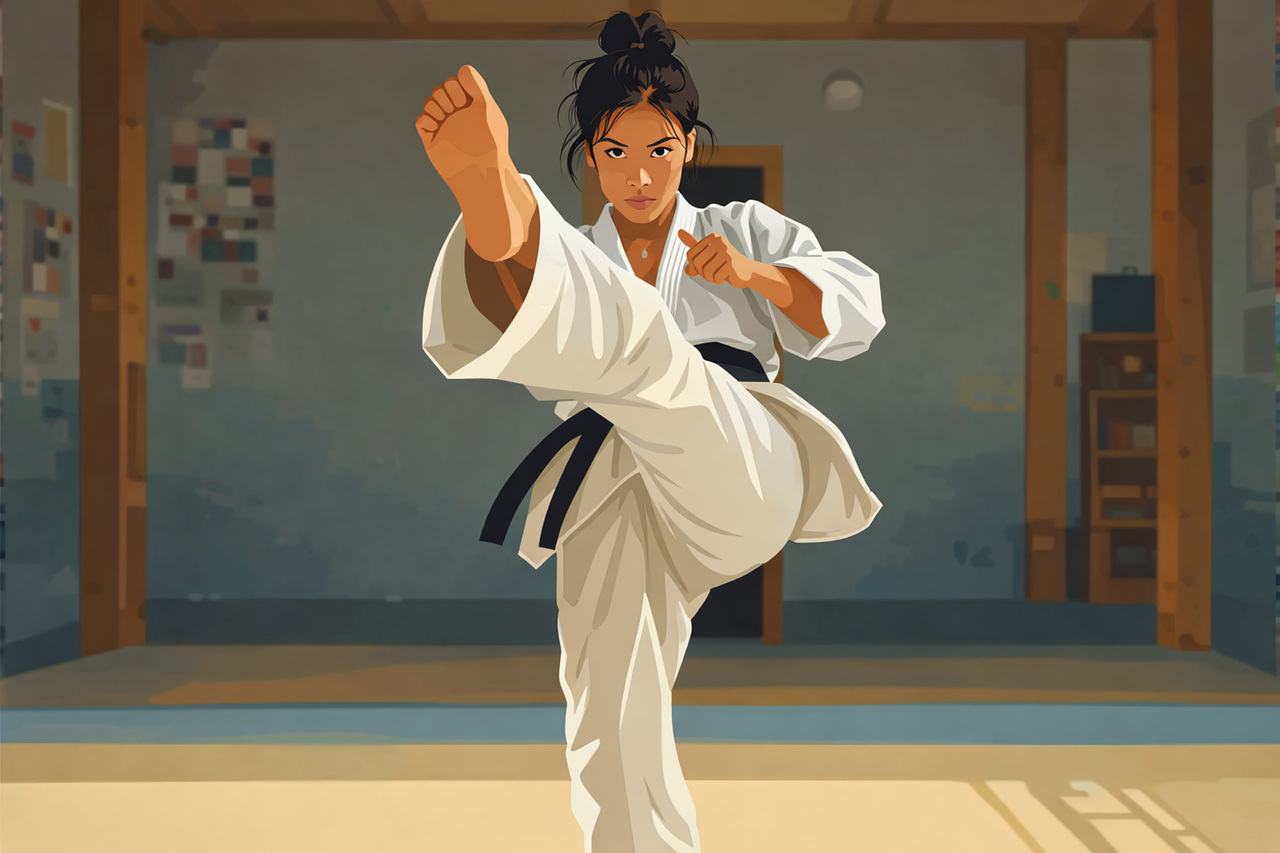

Building Confidence Through Brazilian Jiu-Jitsu Training
Brazilian Jiu-Jitsu (BJJ) is more than just a martial art; it is a powerful tool for self-defense that builds not only physical skills but also mental resilience and confidence. In a world where personal safety is a concern, knowing how to defend oneself can empower individuals, particularly women, to feel secure in their environments. BJJ focuses on ground fighting techniques and submission grappling, which can help individuals exploit leverage and technique over brute strength. Participants learn to control their opponents, escape from dangerous situations, and employ effective maneuvers that can be crucial in self-defense scenarios. The training often encompasses techniques designed for self-defense purposes, including how to deal with grabs, tackles, and other aggressive actions. This combination of physical and psychological benefits encourages practitioners to develop a proactive mindset, enhancing their ability to assess risk and respond appropriately. Ultimately, Brazilian Jiu-Jitsu instills a sense of achievement, as mastering complex techniques requires practice, dedication, and perseverance, leading to increased self-esteem. For many, this journey not only improves their physical health but also enhances their overall quality of life.
Another significant aspect of Brazilian Jiu-Jitsu is its community-oriented environment, which fosters trust and camaraderie among practitioners. This supportive atmosphere often helps individuals feel more comfortable stepping out of their comfort zones, encouraging them to take on new challenges, both on and off the mat. The relationships built during training can positively influence personal confidence, as students learn from each other and grow together. Engaging with fellow practitioners provides opportunities to share experiences, support one another during tough training sessions, and celebrate achievements as a collective. Many students find this community aspect to be one of the most rewarding aspects of BJJ, as it reinforces the idea that they are not alone on their journeys. The bonds formed in Brazilian Jiu-Jitsu classes translate into enhanced self-assurance, making it easier to deal with life’s challenges outside the dojo. Students often emerge from training sessions with a sense of accomplishment, feeling ready to tackle everyday situations with renewed confidence. Overall, BJJ creates a nurturing environment that encourages individuals to push their limits and realize their full potential through collaboration and mutual support.
The progressive nature of Brazilian Jiu-Jitsu training allows individuals to gradually improve their skills at a comfortable pace. Unlike many other martial arts, BJJ is not focused on achieving a black belt quickly; instead, it promotes mastery through incremental learning and frequent practice. As practitioners progress from white to higher belts, each level requires them to refine their techniques and deepen their understanding of the art. This slow and steady approach enables students to build on their knowledge and skills without feeling overwhelmed. Additionally, the focus on technique over strength level the playing field, allowing practitioners of all ages, sizes, and genders to excel in their training. This inclusivity is particularly empowering, as students can witness firsthand how effective technique can overcome strength-based advantages. As students master new techniques and see their progress reflected in their belt rank, they internalize the concept of setting and achieving personal goals. Each belt promotion serves as a reminder of their dedication and hard work, fostering a strong sense of pride and accomplishment, which contributes to greater self-confidence in their everyday lives.
Real-World Applications of BJJ Skills
Learning Brazilian Jiu-Jitsu provides students with practical self-defense skills that can be readily applied in real-life situations. Unlike traditional martial arts that may rely on flashy moves or dramatic performance, BJJ emphasizes techniques that are effective when confronted with genuine aggression. This practicality is a significant confidence booster for practitioners, as they know they are training in skills that will work in high-pressure environments. Through consistent sparring and resistance training, individuals develop the ability to remain calm under pressure while utilizing their techniques. This experience translates into daily life, where confidence can make a difference in managing stress and confrontation. Moreover, BJJ teaches awareness of one’s surroundings, enabling students to assess potential threats proactively. As they gain expertise in controlling an opponent, they learn to navigate confrontations with a mindset focused on de-escalation rather than aggression. This strategic approach can help individuals manage conflicts more effectively and without resorting to violence. The self-defense skills learned in BJJ lead to increased awareness, helping practitioners understand the importance of confidence when it comes to personal safety.
BJJ training also emphasizes the importance of discipline and focus, qualities that contribute significantly to an individual’s self-confidence. To be effective in BJJ, practitioners are required to embrace a disciplined approach to their training regimen. This includes regular attendance in classes, setting realistic goals, and holding oneself accountable for progress. As students dedicate time to practice, they cultivate perseverance and tenacity, qualities that are essential for personal growth. The mental aspect of discipline is mirrored in everyday life, where individuals often face challenges requiring commitment and resilience. This skillset can be invaluable, empowering practitioners to navigate obstacles outside of the dojo with confidence. The emphasis on focus is also vital; practitioners must concentrate on their movements, their opponents’ actions, and the environment around them to execute techniques effectively. This concentrated mindfulness translates to heightened awareness and confidence, attributes that are beneficial in many aspects of life. As students master their ability to stay present and engaged, they bolster their self-assurance and equip themselves with tools to tackle challenges in various settings beyond martial arts.
Boosting Mental Health Through BJJ
Participating in Brazilian Jiu-Jitsu can have profound positive impacts on mental health, serving as an effective outlet for stress relief and anxiety management. Engaging in physical activity is proven to release endorphins, often referred to as ‘feel-good’ hormones, which can elevate mood and increase feelings of well-being. Training in BJJ provides an emotional and physical escape, allowing practitioners to forget about their pressures for a while and immerse themselves in their training. Additionally, the mental challenges posed by learning new techniques help improve focus and critical thinking skills. As students advance in their training, they are often challenged to solve problems creatively, which fosters cognitive growth and resilience. Consistency in attendance and improvement in skill levels lead to a boost in overall self-esteem, allowing practitioners to feel proud of their achievements. Through grappling and sparring sessions, individuals learn to overcome obstacles, building a positive self-image as they confront and conquer difficulties. These psychological benefits support the development of emotional stability, creating a cycle of confidence that can positively affect every aspect of their lives.
Finally, Brazilian Jiu-Jitsu promotes a philosophy of empathy and respect that enhances one’s understanding of oneself and others. Practitioners learn to appreciate the struggles of their training partners, developing an intrinsic understanding of cooperation and teamwork. This core value encourages a positive environment where individuals support one another rather than compete against each other maliciously. Practicing with diverse training partners helps build cultural awareness as BJJ schools often attract students from various backgrounds. This exposure broadens social horizons and fosters friendships that extend beyond the mat. The sense of community and mutual respect woven through BJJ classes contributes to a deeper understanding of the human experience, further enhancing one’s confidence. Moreover, as emotional connections deepen, practitioners learn to trust themselves and others more, which reduces feelings of isolation. This interconnectedness serves as a foundation for long-lasting relationships and self-acceptance, both vital components in building a confident and fulfilling life. Overall, Brazilian Jiu-Jitsu not only strengthens bodies but also heals minds, equipping individuals with the tools they need to excel personally and socially.
In summary, Brazilian Jiu-Jitsu serves as a remarkable vehicle for personal development, instilling confidence through self-defense training. The combination of physical skills, mental resilience, community support, and a focus on discipline allows practitioners to flourish in various aspects of life. Students experience a profound transformation, as they embody the principles of perseverance, awareness, respect, and empathy learned through their training. Whether it’s handling confrontation or boosting self-esteem, the benefits of BJJ extend far beyond the walls of the dojo, positively influencing every aspect of daily life. As practitioners engage with both the physical art of grappling and the mental discipline required to excel, they forge a path toward personal empowerment. More than just self-defense, Brazilian Jiu-Jitsu becomes a lifestyle choice that shapes confidence, health, and togetherness among individuals. This unique martial art not only prepares students for potential challenges but also enriches their lives with invaluable lessons that promote a happier, healthier future. Ultimately, embracing Brazilian Jiu-Jitsu ensures that confidence becomes woven into the fabric of one’s everyday experiences, leading to personal growth, fulfillment, and resilience.