
Cardiovascular Fitness and Its Influence on Metabolic Health
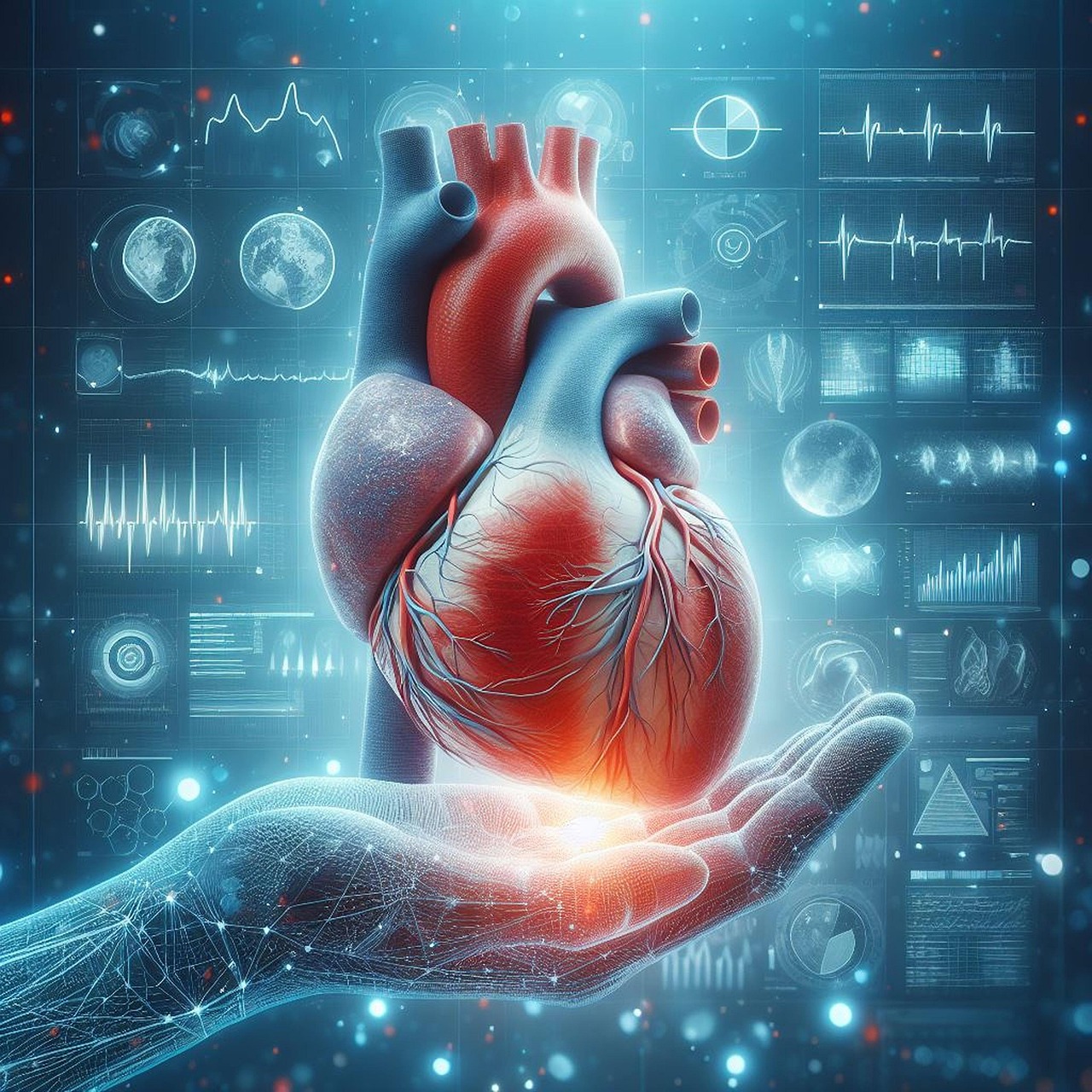
Cardiovascular fitness is crucial for maintaining overall health. It encompasses the body’s ability to supply oxygen during sustained physical activity, impacting various bodily functions. Regular cardiovascular exercise strengthens the heart, enhancing its efficiency and overall performance. Importantly, this form of fitness plays a vital role in metabolic health by regulating blood sugar levels and improving insulin sensitivity. Individuals with high cardiovascular fitness levels are less likely to develop chronic diseases, such as type 2 diabetes and heart disease. Aerobic exercises, like jogging or cycling, directly benefit cardiovascular fitness and metabolism. More specifically, engaging in consistent aerobic workouts not only boosts cardiovascular health but also aids in weight control. This is essential since obesity is a significant risk factor for metabolic disorders. Enhanced cardiovascular fitness promotes better blood circulation, essential for nutrient delivery and waste removal within the body. This optimal circulation fosters a healthier metabolism, leading to improved energy levels and better exercise performance. Therefore, prioritizing cardiovascular activities is crucial for those aiming to enhance their health, longevity, and overall quality of life.
Metabolic health is influenced greatly by cardiovascular fitness, which can lead to various health benefits. Strong cardiovascular systems help maintain optimal blood pressure levels, thereby reducing the risk of hypertension. For instance, regular aerobic activities can lower resting heart rates, enhancing heart strength and efficiency. Moreover, improved cardiovascular health is instrumental in burning calories efficiently. When metabolic processes are functioning optimally, the body becomes more adept at processing food and managing energy resources. This regulation of energy intake and expenditure helps avoid weight gain and associated metabolic disorders. Furthermore, increased cardiovascular activity positively influences cholesterol levels. Engaging in consistent workouts can lead to lower levels of LDL (bad cholesterol) and higher levels of HDL (good cholesterol). This balance is crucial for maintaining heart health and reducing the risks of coronary artery diseases. The link between cardiovascular fitness and metabolic efficiency also highlights the importance of lifestyle choices. Choosing to engage in regular exercise and maintain a balanced diet greatly impacts metabolic function. For anyone looking to improve metabolic health, embracing an active lifestyle focused on cardiovascular fitness is essential.
The Role of Diet in Cardiovascular Fitness
Diet is integral to enhancing cardiovascular fitness and, consequently, metabolic health. Consuming a balanced diet rich in whole grains, lean proteins, healthy fats, fruits, and vegetables supports cardiovascular function. Nutrients from these food sources contribute to improved blood circulation, essential in cardiovascular exercise. Foods high in antioxidants, such as berries and leafy greens, combat oxidative stress on the cardiovascular system, promoting longevity. Omega-3 fatty acids, found in fish like salmon, help reduce inflammation and lower blood pressure, crucial for heart health. Incorporating such nutrients into daily meals can maximize the benefits of cardiovascular exercise. Hydration is also essential; drinking adequate water supports circulation and overall performance. Furthermore, avoiding processed and sugary foods can significantly improve metabolic health outcomes. High sugar intake often leads to weight gain and insulin resistance, heightening the risk of diabetes. Conversely, low-glycemic index foods stabilize blood sugar levels, enhancing energy levels during workouts. Therefore, integrating sound nutritional practices with regular cardiovascular exercises can optimize fitness levels while providing substantial health benefits.
Incorporating cardiovascular exercise into your daily routine can also improve mental health. Engaging in activities like running, swimming, or cycling releases endorphins, the body’s natural mood lifters. This phenomenon, often referred to as the “runner’s high,” not only elevates mood but also reduces symptoms of depression and anxiety. Improved mental health is closely linked to better metabolic health, promoting a positive feedback loop between physical activity and emotional well-being. Additionally, engaging in cardiovascular activities can enhance cognitive function, leading to improved focus and memory. A fit cardiovascular system ensures adequate blood flow to the brain, which is essential for healthier cognitive processes. Moreover, regular cardiovascular workouts can improve sleep quality. Restful sleep is crucial for recovery and metabolic health, as it supports hormonal balance and optimizes energy utilization. As sleep improves, so too does motivation for daily activities, enhancing the likelihood of continued exercise. This cyclical relationship underscores the importance of addressing both physical and mental components of health through cardiovascular fitness. By prioritizing these elements, individuals can achieve a holistic approach to wellness.
Cardiovascular Fitness and Aging
Aging can often lead to declines in cardiovascular fitness, making it essential to incorporate physical activity into daily routines. As individuals age, muscles naturally lose strength and flexibility, reducing metabolism and increasing fat storage. However, maintaining cardiovascular fitness can counteract many age-related effects. Regular aerobic activity helps preserve muscle mass and metabolic function, thereby fostering healthier aging. Furthermore, improved cardiovascular health can lead to a lower risk of age-related diseases, such as heart disease and hypertension. Studies show that older adults who engage in consistent cardiovascular exercise experience enhanced mobility and overall wellness. This exercise also promotes longevity, allowing older individuals to enjoy their golden years with vibrancy. Moreover, cardiovascular exercise has been associated with enhanced brain health in aging populations. Older adults are less likely to experience cognitive decline if they maintain high levels of cardiovascular fitness. This correlation indicates the protective effects of exercise against neurodegenerative diseases. Thus, proactive engagement in cardiovascular activities can enhance the quality of life even during later stages of life, proving essential for maintaining health and vitality.
Participating in group activities can enhance motivation surrounding cardiovascular fitness. Engaging in team sports or exercise classes fosters a sense of community, leading to increased commitment to physical activities. Group workouts create a supportive environment, encouraging individuals to push beyond their limits. This camaraderie can lead to more enjoyable workouts, making it easier to stick to a regimen. Exercise partners can also foster accountability, vital for maintaining consistency. Moreover, a social aspect to fitness provides opportunities for networking and making new friendships, enriching personal lives. The social interactions encourage mental stimulation and overall emotional well-being. Incorporating variety into cardiovascular routines can also prevent boredom and injuries by introducing different activities. Switching between running, cycling, or swimming promotes engagement while utilizing different muscle groups. Additionally, combining various cardio workouts can improve overall cardiovascular fitness since they challenge the body in unique ways. This approach assists in better progression, keeping exercises fresh and exciting. A diverse routine caters to individual preferences while nurturing cardiovascular fitness, balancing enjoyment and effectiveness. Together, these factors highlight the importance of incorporating social elements into fitness strategies.
The Future of Cardiovascular Fitness Research
Research into cardiovascular fitness continues to evolve, exploring the complexities of its relationship with metabolic health. Future studies may delve deeper into personalized fitness approaches, tailoring cardiovascular plans to individual health profiles. Understanding genetic influences on fitness can lead to more targeted interventions, maximizing benefits according to individual needs. Furthermore, wearable technology could revolutionize the approach to cardiovascular fitness. Innovations in tracking heart rate, calorie burn, and activity levels can provide real-time feedback, helping users monitor their progress. Such technological advancements may enhance motivation and adherence to fitness regimens. Additionally, integrating data analytics into fitness solutions can personalize training programs, catering to user preferences and health goals. The connection between mental health and cardiovascular fitness is another promising area for research. Future studies may aim to clarify mental resilience, emotional regulation, and how cardiovascular activities mitigate stress. This connection underscores the holistic view of health and wellness. As research continues, new strategies may arise to optimize cardiovascular fitness across populations. Improved understanding of these elements can empower individuals with actionable steps toward enhancing their cardiovascular fitness and overall metabolic health.
Embracing cardiovascular fitness as a foundational aspect of health is essential. Ultimately, combined practices of regular exercise and a nutritious diet play crucial roles. Increased cardiovascular fitness not only improves physical health, but it also empowers people to maintain better mental clarity. Individuals who prioritize cardiovascular activities inspire others, creating a ripple effect in communities. When populations adopt healthier lifestyles, they lessen healthcare costs and increase productivity. More so, improving cardiovascular health contributes to enhanced quality of life, achieving not just the absence of illness but a thriving state of well-being. In conclusion, understanding the profound effects of cardiovascular fitness on metabolic health is a critical step toward fostering a healthier society. By sharing knowledge and motivating others, public health can flourish as people learn to appreciate fitness’s role. Continuous promotion of cardiovascular activities can shift societal norms, making exercise a regular part of daily life. We should, therefore, advocate for active lifestyles, ensuring everyone recognizes the significance of cardiovascular fitness. Addressing individual and collective health through cardiovascular engagement stands paramount to future health outcomes.