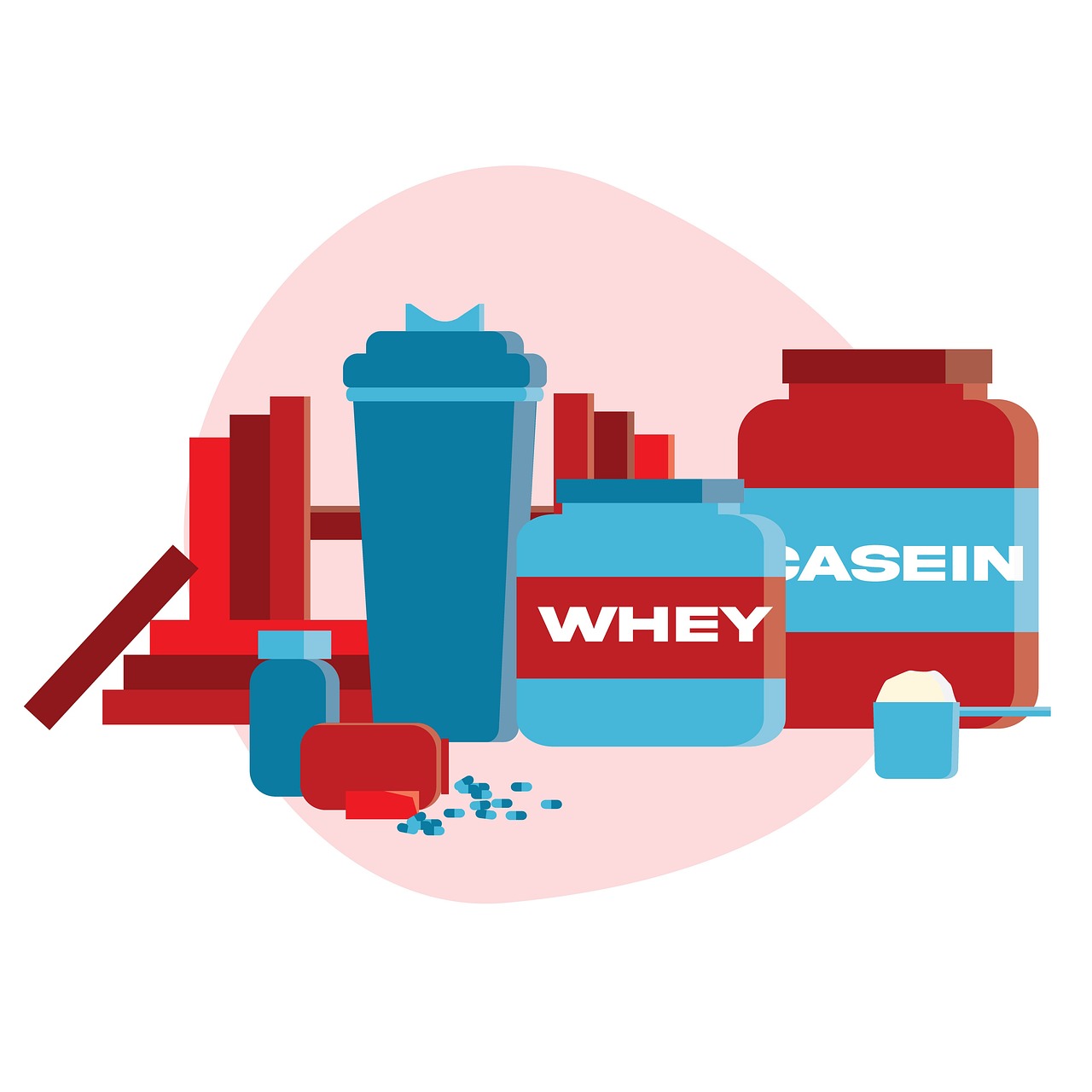

Choosing Safe Supplements for Youth Athletes
Choosing safe sports supplements for youth athletes can be a challenging task, particularly with the vast variety available on the market today. Parents and coaches must ensure that any supplement selected is appropriate, safe, and effective for a young athlete’s developing body. First and foremost, prioritize supplements that are well-researched and have positive reviews from experts. Look for supplements that are tested for safety and effectiveness through third-party testing organizations. Consider consulting with a healthcare professional, such as a sports nutritionist, to guide the selection process. Additionally, be aware of the nutritional needs specific to youth athletes, focusing on will need adequate protein, carbohydrates, vitamins, and minerals to promote their growth and performance. Supplements should serve as an adjunct to a balanced diet rather than a primary source of nutrition. Highlight the importance of whole foods, such as fruits, vegetables, lean proteins, whole grains, and healthy fats for optimal health. Finally, keep communication open with the athlete about their supplement use, ensuring they understand the importance of making informed and responsible choices.
Understanding Nutritional Needs
To optimize athletic performance in youth athletes, it is essential to understand their nutritional needs. These young athletes require adequate energy intake, as their bodies are in a continuous state of growth and development. This energy should come mainly from a balanced diet, but sometimes, supplements may be beneficial in filling nutritional gaps. The typical diets of youth athletes should include carbohydrates, proteins, and fats to support their performance and recovery. For example, carbohydrates are vital as they provide the necessary fuel for endurance activities. Adequate protein intake is crucial for muscle recovery and growth. Fats also play a significant role in overall health and energy. Parents and coaches should encourage a varied diet rich in these macronutrients while ensuring proper hydration levels. In certain circumstances where dietary restrictions exist, safe supplements can assist in fulfilling these nutritional demands. Always read labels and verify the ingredients to ensure the absence of harmful substances. Awareness of allergy risks is also crucial when choosing supplements. Monitoring the overall health and well-being of youth athletes can guide them toward safe and effective supplement usage.
When evaluating sports supplements for young athletes, transparency in label information is vital. It allows athletes, parents, and coaches to understand which substances are included, along with their potential benefits or risks. Look for products with clear labeling of ingredients and nutritional information, and avoid those that include proprietary blends or lack specific details. Be wary of supplements claiming to enhance performance dramatically, as these may contain undisclosed or banned substances that could be harmful. The presence of third-party certifications on supplements offers an additional layer of safety, ensuring they have been tested for quality and purity. Resources such as the NSF Certified for Sport or Informed-Sport can help identify safe supplements. These certifications guarantee that the product does not contain harmful substances and meets strict quality standards. Making informed choices requires diligent research and careful consideration of the claims made by supplement manufacturers. Encourage youth athletes to prioritize health and safety over performance enhancements, ensuring they develop healthy habits that can last a lifetime. Ultimately, aiming for a comprehensive approach focusing on nutrition and training is vital for their success in sports.
Risks Associated with Supplements
The use of supplements among youth athletes can pose several risks, particularly when responsibilities lie with unregulated products. Supplements that are improperly labeled may contain harmful or illegal substances, with serious consequences for a young athlete’s health. These products can result in adverse side effects and potential long-term health issues that can affect their performance and overall well-being. Additionally, some adolescents may feel pressured to use supplements to keep up with their peers or to gain a competitive edge. This pressure can lead to misuse and overuse, which could lead to serious health complications. As youth athletes are still developing, their bodies may react differently to supplements than adults, and thus caution is paramount. Education on the potential interactions of supplements with medications or medical conditions is also crucial. Coaches and parents should foster an environment where healthy training and nutrition take precedence over supplement usage. Promote open discussions on the topic of supplements, empowering young athletes to make informed and responsible choices regarding their health and performance.
Whole foods offer the best foundation for a young athlete’s nutrition. It’s important to emphasize that while supplements can sometimes be helpful, they should never replace nutrient-rich foods that provide essential vitamins and minerals. Whole foods supply a range of nutrients that work synergistically to support health, which cannot be replicated in supplement form. Encourage youth athletes to consume various foods, including fruits, vegetables, whole grains, lean proteins, and healthy fats, establishing a balanced diet that supports their performance. Cooking meals at home can also help ensure proper nutrition and provide opportunities to teach youth athletes about healthy food choices. Nutrient-dense snacks, such as nuts, yogurt, and fruits, can be great additions to an athlete’s diet, providing both energy and essential nutrients needed for competition. This approach assists in developing healthy eating habits that promote lifelong wellness. In addition, follow hydration guidelines, ensuring that young athletes drink enough fluids before, during, and after sports activities. Encourage them to listen to their bodies and adjust their nutrition and hydration accordingly for optimal performance.
The Role of Coaches and Parents
Coaches and parents play a crucial role in the dietary choices of youth athletes, serving as primary influencers in their nutrition and health decisions. They should advocate for the benefits of proper nutrition and modeling healthy eating behaviors, which can positively impact young athletes’ habits. Educational materials and resources should be provided that outline safe practices related to sports supplements and nutrition. Encouraging conversations about healthy choices and supplement concerns can help build trust and teamwork regarding dietary decisions. Coaches and parents should also stay informed about current research on sports nutrition to provide accurate advice. Additionally, creating an environment where young athletes feel comfortable discussing their supplement questions fosters informed decision-making. Setting clear guidelines on supplement use while focusing on nutrition could lead to better outcomes for youth athletes’ performance and wellbeing. Emphasizing the importance of complete, varied diets over reliance on supplements can shape young athletes’ lifestyles positively. Furthermore, opening lines of communication between coaches, parents, and healthcare professionals ensures a comprehensive support system, improving the health of youth athletes as they pursue their sporting endeavors.
In conclusion, making safe choices in supplements for youth athletes necessitates a collaborative effort among athletes, parents, coaches, and healthcare professionals. Awareness of the nutritional requirements of young athletes allows for informed discussions regarding supplement use. A balanced approach heavily favors whole foods rather than supplements as the primary source of nutrition is essential, as it ensures the elite performance of young athletes. Emphasis should be placed on establishing healthy habits that last a lifetime, enabling youth athletes to thrive in their sport and exceed their goals. Regulations and resources that prioritize youth athlete safety are vital moving forward as supply and demand in sports supplements continue to grow. By pairing education with open communication and thorough research, together, these stakeholders can ensure a healthy approach to supplement use. The commitment to educating youth athletes about their nutritional needs can instill confidence and knowledge that fosters better decision-making. Ultimately, this comprehensive approach helps youth athletes make responsible choices that prioritize their health while enhancing their performance and well-being in sports.
This article aims to equip parents, coaches, and young athletes with the necessary knowledge to navigate the realm of sports supplements safely. Awareness is key to making informed choices, and a focused approach on nutrition is paramount. Thank you for reading, and we hope this article serves as a useful guide in your journey toward optimizing athletic performance through safe supplementation practices.