
Designing a Weekly Functional Mobility Program
Creating a Functional Mobility Program involves understanding the unique needs and goals of individuals. Start by conducting a thorough assessment to identify the current fitness level of each participant. Factors like flexibility, strength, and stability should be measured. It’s best to document findings carefully, allowing for trackable progress throughout the program. A well-rounded mobility regimen incorporates various forms of movement that mimic real-life activities. Focus areas can include stretching, strengthening, and balance exercises, catering to individuals of different experience levels. Furthermore, allow participants to express their personal goals to enhance motivation. Effective communication provides essential insights that will help tailor the program to meet their expectations. Regularly gather feedback to adjust any existing routines for ongoing effectiveness. This approach fosters a supportive environment where people feel empowered. Multiple sessions per week should be planned to ensure adequate practice and adaptation. Each session should begin with a proper warm-up utilizing dynamic stretches, followed by strength-building exercises. Cool-down periods filled with static stretches help enhance flexibility while preventing injury. A diversified program can significantly improve an individual’s mobility and promote a healthier lifestyle, emphasizing well-being beyond just physical fitness.
To structure your weekly program, divide exercises into distinct categories based on movement patterns. These categories typically include push, pull, hinge, squat, lunge, and core stabilization. Each day of the week can focus on different movement patterns, ensuring that every muscle group is targeted adequately. Alternatively, full-body workouts can be scheduled to maximize participation and excitement. To promote balance between flexibility and strength, include specific mobility drills to enhance range of motion. Assess the time commitment for each session, aiming for approximately 45 to 60 minutes. Vary the intensity of workouts across the week; for instance, offer lower-intensity recovery days alongside high-intensity training sessions. Rest days are also necessary to allow the body to recover fully, which promotes physical adaptation and growth. Encourage participants to track their progress through measurable achievements such as increased flexibility, improvements in lifts, or enhanced mobility. Incorporating educating resources, like articles or videos, can complement the program, giving participants an understanding of exercise mechanics. This practice helps participants appreciate their routines and fosters a sense of community within the program, where individual goals morph into shared successes that benefit everyone involved.
Designing Exercises for Maximum Impact
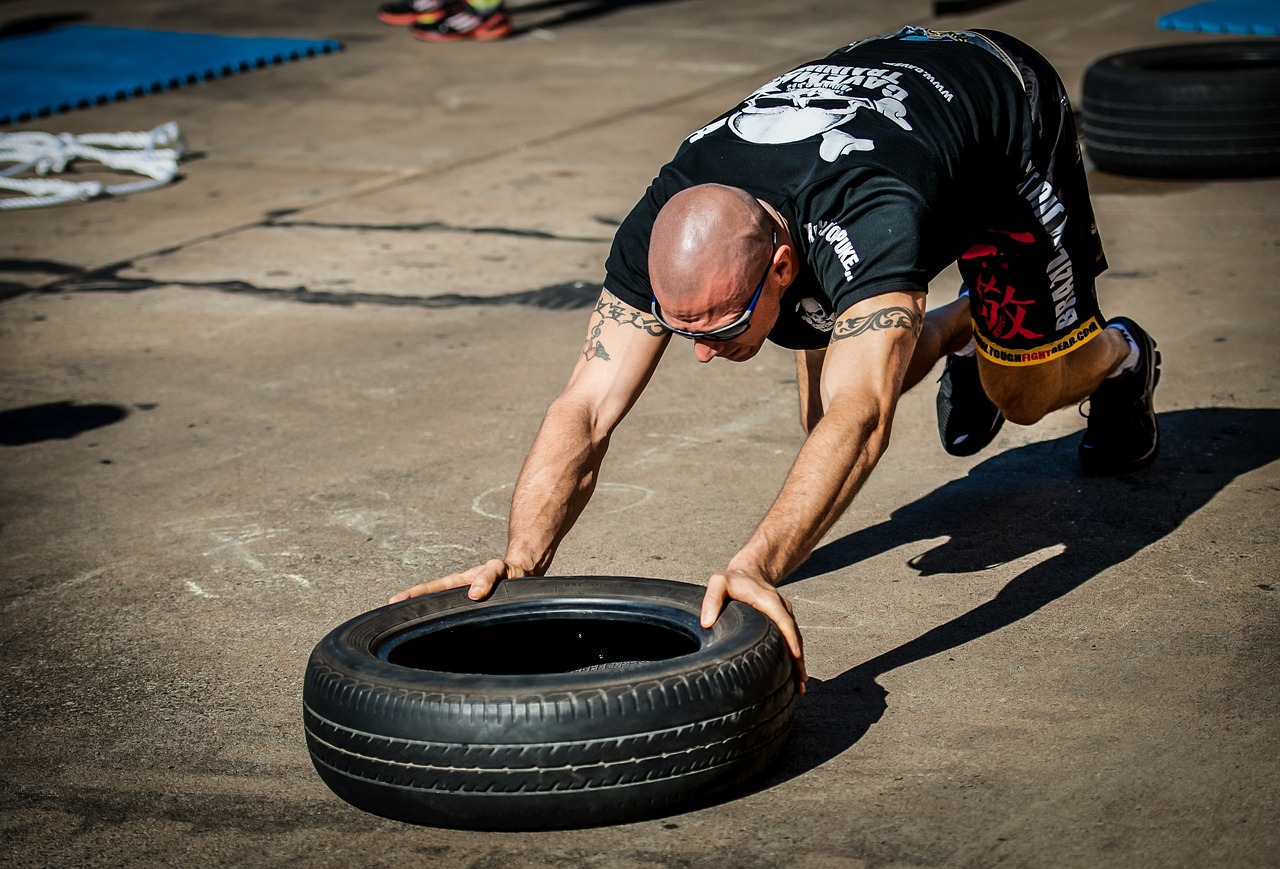
When designing exercises within your Functional Mobility Program, choose ones that optimize engagement. Consider incorporating activities such as yoga, Pilates, and mobility flows, which gently improve flexibility and balance. Additionally, resistance training can enhance muscle strength, making functional movements easier to perform. Utilize bodyweight exercises, resistance bands, and free weights to create engaging routines. Remember to focus on compound movements as they promote efficient muscle engagement. Ensure your program includes exercises targeting multiple joints, mimicking actions conducted in daily life, like bending, reaching, pushing, or pulling. Integrating tactical balance work, like standing on one leg or using stability balls, helps improve proprioception and coordination. Always provide modifications for different skill levels to maintain inclusivity. Every exercise within the program can be adjusted to cater to varying fitness levels. Incorporating regular challenges or mini-competitions may add excitement and motivation. Invite participants to share in the journey to enhance community aspects, where everyone can uplift and encourage one another. Each individual’s progress should be celebrated while promoting a supportive culture, making workouts enjoyable and effective, thereby ensuring long-lasting participation.
An essential component of any Functional Mobility Program is reassessment. Plan regular evaluations to determine the program’s success. Consider timing these assessments every four to six weeks, providing valuable insights into participants’ progress. Reassess flexibility, strength, and stability, and compare results against the initial assessment. Gather participant feedback during these evaluations to understand their perceptions regarding the program’s effectiveness and areas for improvement. Encourage constructive dialogues to inspire ideas for new exercises or approaches. Adjustments based on participant input can significantly improve each individual’s experience. Create opportunities for group feedback sessions, brainstorming new ideas together to enhance team spirit. As part of reassessment, encourage participants to share personal victories, such as increased mobility or overcoming specific challenges. Documenting experiences fosters a sense of accountability and reinforces ongoing commitment. Incorporating testimonial sharing also inspires newer members, creating a motivating atmosphere. Additionally, consider the incorporation of technology for tracking progress. Apps or online journals provide practical means for participants to log workouts and track personal advancements effectively. Technology integration in the program can create a modern approach that captures attention while ensuring each participant’s improvement remains a priority.
Nutrition to Support Mobility
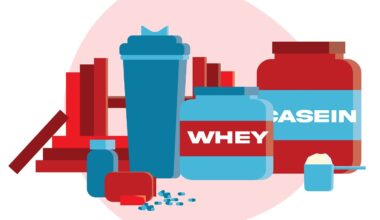
Nutrition plays a significant role in supporting the success of your Functional Mobility Program. Adequate hydration aids muscle recovery and function, so stress its importance to all participants. Emphasize the role of balanced meals filled with macronutrients, vitamins, and minerals. Nutrient-rich foods can improve performance and recovery time, helping participants achieve their mobility goals faster. Encourage participants to consume sources of lean protein such as chicken, fish, or legumes to support muscle growth. Healthy fats found in avocados, nuts, and seeds are also essential for overall joint health. Encourage incorporating ample fruits and vegetables, which provide essential vitamins and minerals for effective recovery and performance. Meal planning may be recommended to help participants make healthier choices in their diet. Offer informative cooking classes or workshops on nutrition to enhance members’ knowledge about diet. Providing resources such as recipe ideas and meal suggestions can empower participants to make healthier choices. Keeping participants engaged can significantly improve their commitment to the program. Adequate nutrition supports energy levels and enthusiasm, while also contributing to improved flexibility and mobility. A well-informed participant is more likely to reap the benefits of the program, leading to successful outcomes overall.
In conclusion, successful design and implementation of a Functional Mobility Program hinge on careful planning and adaptability. By tailoring activities, gathering regular feedback, and prioritizing participant engagement, trainers can ensure that individuals maximize their mobility potential. Pay attention to designing optimal structural components like assessments and nutrition resources while celebrating end results alongside achievements. Creating a diverse exercise regimen remains key, aiming to keep participants excited and challenged throughout the program. Maintaining a supportive atmosphere enhances team morale and encourages commitment to both personal and group goals. Future sustainability of such programs can rely on learning how to evolve with participant feedback while keeping technique and form at the forefront. Recognize that the journey toward improved mobility encompasses not just physical capability but personal growth. As unique identities emerge through challenges, fostering a sense of community can inspire long-term dedication and engagement. As mobility improves, so does personal confidence, reflecting a greater desire for healthier choices in daily life. The collective impact can result in happier communities where people empower themselves and those around them. Continual progress can become contagious, inspiring further growth among all who participate in the journey toward improved mobility.