
DIY Recovery Tools for Home Use
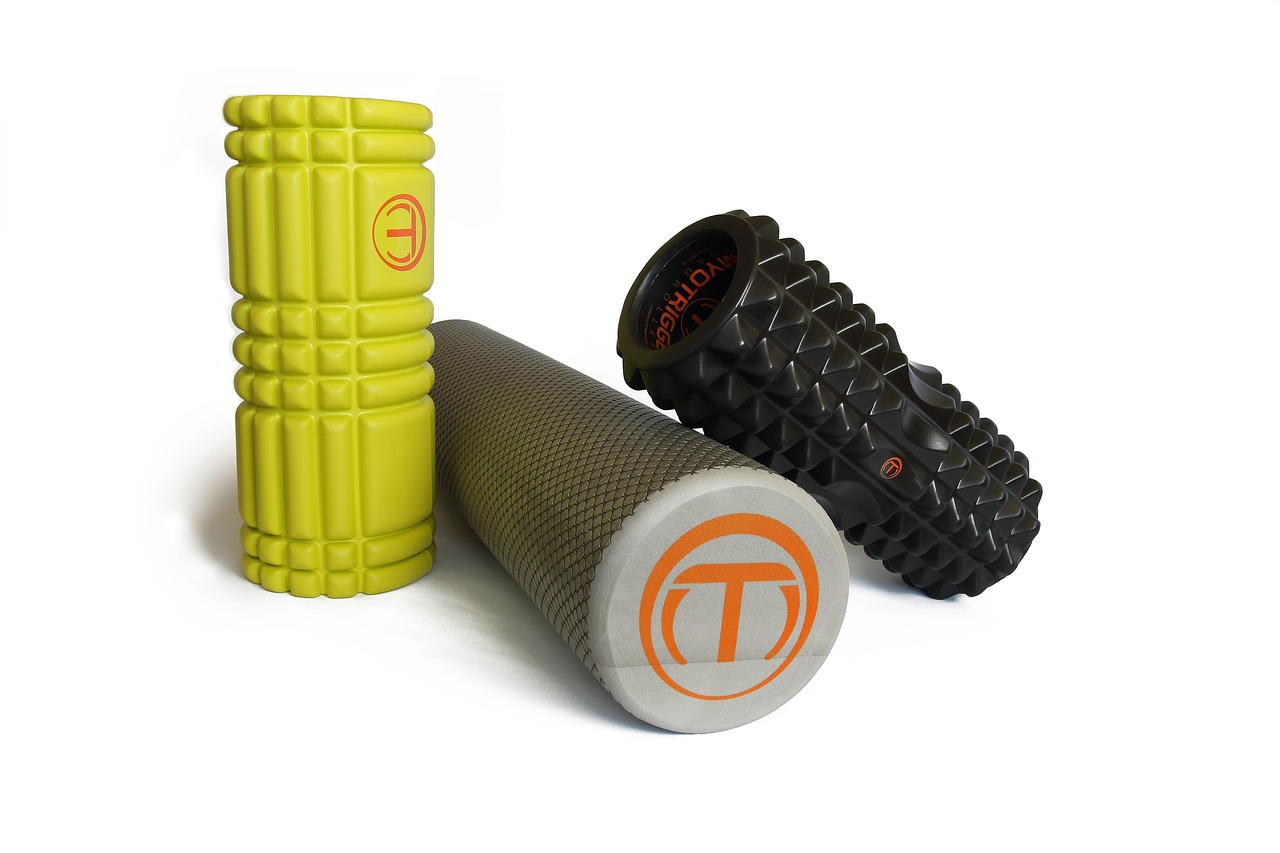
After an intense workout, recovery is key to ensure your body heals and grows stronger. Many athletes seek professional assistance for recovery, but there are effective DIY tools you can use right at home. Foam rollers are one such tool, perfect for massaging sore muscles and improving flexibility. They help relieve tension built up during workouts and enhance blood circulation. You can also create massage balls using tennis balls or racquetballs. These tools can work wonders on trigger points and knots in your muscles. Stretch bands are another excellent recovery tool. They improve your flexibility and offer resistance training without heavy weights, helping maintain strength during your recovery process. Cold therapy is also crucial; consider using ice packs or frozen peas wrapped in a towel to target swollen areas. Warm baths with Epsom salts can help soothe sore muscles as well. Lastly, hydration plays a vital role in recovery; invest in a good water bottle to track your intake. Remember, using these tools can effectively reduce recovery time, allowing you to get back to your workout routine feeling refreshed and revitalized.
The Importance of Stretching
Stretching is a fundamental part of any workout recovery routine, and many people overlook its importance. Engaging in dynamic stretches before exercising warms up your muscles, while static stretches after your workout help return your muscles to their resting length. This process minimizes muscle soreness and enhances recovery speed. Additionally, stretching increases flexibility which is crucial for maintaining a good range of motion. Not being flexible can lead to injuries in future workouts, making it essential to incorporate a regular stretching routine. You can stretch using just your body weight, but incorporating accessories like yoga straps can enhance your stretching experience. You also have the option to join online stretching classes or follow instructional videos that focus on post-workout recovery. Yoga is another fantastic way to improve flexibility and recover from workouts, emphasizing both mindfulness and muscle recovery. Make sure you target all major muscle groups—hamstrings, quadriceps, shoulders, and back—to ensure a balanced recovery. post-workout stretches can take as little as 10 minutes, and the benefits to overall health and recovery are substantial. Prioritize this practice, and you will notice improvements in your performance over time.
Hydration is Essential After Exercise
Following any physical workout, hydration should be a top priority to help recover effectively. Your body loses water through sweat, and replenishing it is crucial for maintaining physical performance and aiding recovery. The best way to ensure you’re hydrated is by drinking water, although electrolyte drinks can be beneficial after intense workouts. These drinks replace lost minerals, which is especially important if you’ve been sweating profusely. Consider keeping a reusable water bottle nearby during your training and throughout the day to remind yourself to drink water regularly. Additionally, the timing of your hydration is vital; aim to drink water immediately after exercising, as well as throughout the next few hours and even the following day. Including hydrating foods in your diet, such as watermelon or cucumbers, can also contribute to your hydration levels effectively. Monitoring your urine color can be a handy way to gauge hydration, aiming for a light yellow hue. Remember that as little as 2% dehydration can significantly impact your performance, so make it a regular habit to prioritize hydration during and after workout sessions for optimal recovery results.
Massage Techniques for Faster Recovery
Self-massage is an invaluable method to enhance recovery after workouts. Utilizing tools like foam rollers, massage sticks, or even your hands can significantly relieve tension and soreness in your muscles. Begin by identifying any tight areas on your body, as these are common places where muscle knots form. Roll gently over these areas for about one to two minutes, applying pressure as needed. You can also use effective techniques like kneading and tapping to break up muscle adhesions and improve circulation. Self-massage is versatile, allowing you to treat various muscle groups, from legs to back to shoulders. If you prefer a more structured approach, consider following online self-massage techniques, which can guide you through different methods and tools. Moreover, combining massage with other recovery methods, such as hydration and stretching, can enhance overall effectiveness. Taking just a few minutes after your workout to engage in self-massage allows your body to recover faster and prepares you for your next session. Remember to listen to your body; if an area feels particularly sore, spend extra time focusing on that part.
Rest is Key to Recovery
After rigorous exercise, allowing sufficient rest is vital for muscular recovery and overall health improvement. While working out is essential for building strength, muscles need time to repair themselves effectively. Adequate sleep plays a critical role in this process. Strive for 7 to 9 hours of quality sleep each night, as this is when your body releases growth hormones that significantly aid in muscle recovery. Consider creating a bedtime routine that promotes relaxation, ensuring you fall asleep faster and sleep more soundly. Also, think about incorporating rest days into your workout schedule; this helps prevent burnout and reduces the risk of injuries. Depending on your fitness level and workout intensity, aim for at least one or two rest days weekly. Light activities, such as walking or gentle yoga, can still be pursued on these days to promote blood flow without overstraining your body. Remember, strong athletes are not just those who work hard but those who recognize the importance of recovery during the process. prioritize rest and watch as your performance and overall fitness improve.
Nutrition for Recovery
After a workout, fueling your body with the right nutrients plays a vital role in recovery. Consuming a balanced meal with proteins, carbohydrates, and healthy fats shortly after exercising can help restore glycogen levels and repair any muscle damage. Focus on incorporating lean proteins, such as chicken, fish, or plant-based options like beans or lentils. Remember to combine these with whole grains, like brown rice or quinoa, to provide essential carbohydrates. Don’t forget about healthy fats like avocados or nuts, which support hormone production and inflammation reduction. Furthermore, consider implementing a post-workout shake when you’re short on time; protein powders mixed with fruits can be nutrient-rich and help expedite recovery. You can also experiment with recovery smoothies packed with vitamins and minerals, ensuring to include ingredients like spinach and berries. Timing is essential; aim to consume your post-workout meal or shake within 30 minutes to optimize benefits. Hydration plays a crucial role, too; don’t forget to drink water alongside your meals. Remember, good nutrition is a pillar of effective recovery and pivotal in enhancing workout performance.
Final Thoughts on Recovery Tools
In conclusion, utilizing DIY recovery tools at home can significantly enhance your post-exercise recovery effectively and affordably. From foam rollers to self-massage techniques, these approaches allow you to listen to your body and cater to its specific needs. Ensure you prioritize proper hydration, including nutrient-rich post-workout meals that will keep your health on track. Maintain a regular stretching routine and incorporate rest days in your workouts to prevent injuries and promote overall wellness. Remember that incorporating these strategies doesn’t just lead to faster recovery but also helps improve your physical performance over time. Celebrate your progress and take the time needed to recover properly; your body will thank you for it. If you haven’t already, invest in some of the mentioned tools today. Creating a personalized recovery routine will make your home workouts more effective and enjoyable. Don’t hesitate to explore online resources for more tips and guidance tailored specifically for your needs and goals. Take charge of your recovery, and you’ll enjoy a healthier and more active lifestyle as a result.
In conclusion, utilizing DIY recovery tools at home can significantly enhance your post-exercise recovery effectively and affordably. From foam rollers to self-massage techniques, these approaches allow you to listen to your body and cater to its specific needs. Ensure you prioritize proper hydration, including nutrient-rich post-workout meals that will keep your health on track. Maintain a regular stretching routine and incorporate rest days in your workouts to prevent injuries and promote overall wellness. Remember that incorporating these strategies doesn’t just lead to faster recovery but also helps improve your physical performance over time. Celebrate your progress and take the time needed to recover properly; your body will thank you for it. If you haven’t already, invest in some of the mentioned tools today. Creating a personalized recovery routine will make your home workouts more effective and enjoyable. Don’t hesitate to explore online resources for more tips and guidance tailored specifically for your needs and goals. Take charge of your recovery, and you’ll enjoy a healthier and more active lifestyle as a result.