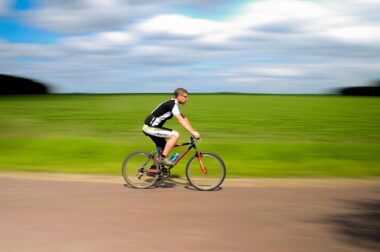

How Cycling Terrain Affects Injury Prevention Strategies
Cycling is a popular sport and recreational activity that many people enjoy for its physical benefits and freedom. However, understanding how different cycling terrains impacts injury prevention strategies is essential for cyclists aiming to minimize accidents and injuries. Various terrains, such as pavement, gravel, and mountain trails, present unique challenges that require specific precautionary measures. Cyclists must be aware of their surroundings while considering the characteristics of their chosen terrain. The impact of terrain on cycling injuries emphasizes the importance of adapting training techniques and safety measures to reduce the likelihood of accidents. For instance, smoother surfaces such as asphalt generally pose less risk than rugged trails, where the potential for falls and injuries increases. Therefore, it’s vital for cyclists to modify their approach based on the terrain they are navigating. Employing appropriate gear, wearing protective equipment, and maintaining a low center of gravity are strategies that can greatly enhance safety on challenging terrains, ultimately promoting a safer cycling experience. Additionally, proper planning and acknowledgment of terrain conditions can lead to improved injury prevention outcomes.
Understanding Different Types of Terrain
The diversity of cycling terrains means cyclists must develop tailored injury prevention strategies. Road cycling often takes place on smooth asphalt, which typically reduces injury risk; however, it also presents its own challenges, such as high speeds and traffic concerns. To enhance safety, cyclists should always wear bright clothing, utilize proper lighting, and follow traffic laws diligently. In contrast, trail and mountain biking involve rough and uneven surfaces that increase the likelihood of falls. To mitigate these risks, riders are advised to invest in high-quality tires and maintain a firm grip on their handlebars while navigating technical sections. Additionally, understanding one’s skill level regarding terrain type can help cyclists choose appropriate routes that match their abilities. Off-road cycling also requires knowledge of environmental hazards, such as roots or rocks, that might lead to injury. Proper training in handling diverse terrain types will enable cyclists to anticipate potential dangers, adapt their techniques, and ultimately foster safer riding experiences. Continual assessment of one’s physical capabilities and technique modifications are vital for effective injury prevention.
Injury prevention strategies can also involve regular assessments of cycling form and posture. For example, the positioning of the body significantly affects stability and balance, especially when transitioning between different terrains. Cyclists should focus on maintaining an ergonomic posture, which can help prevent overuse injuries and discomfort. It’s also essential to ensure that the bike is properly fitted to the rider, as this minimizes strain during rides. Regular maintenance of the bicycle itself is vital; properly functioning brakes and gears can prevent accidents as well. Every cyclist should develop a routine that includes checking equipment, adjusting tire pressure, and inspecting brake responsiveness. Furthermore, the integration of stretching exercises into a cycling routine can enhance flexibility and reduce the risk of injury by improving muscle function. Stretching before and after rides, particularly for areas like the hamstrings and quadriceps, helps maintain muscle health, especially after intense cycling sessions. Tailoring both the equipment and body positioning to specific terrains can significantly lower injury risks and improve overall performance while cycling.
Focus on Equipment Selection
In addition to body mechanics, the correct equipment plays a crucial role in injury prevention. Tires vary widely depending on the terrain, with road bikes typically equipped with narrower tires and mountain bikes featuring wider, knobbier designs. These variations in tire characteristics help provide stability and traction based on environmental conditions. Riders should select tires tailored to their cycling context to optimize performance and reduce risks. Furthermore, protective gear such as helmets, knee pads, and elbow guards become more critical when cycling on more precarious terrains like mountain trails. Helmets significantly reduce the severity of head injuries, while additional padding can help absorb impacts during falls. Investing in appropriate clothing, including moisture-wicking materials, is essential for comfort, especially in varying weather. Windproof and waterproof jackets also prove useful in unpredictable conditions, which can affect stability. Proper equipment selection can therefore directly mitigate injury risk, ensuring that cyclists are well-prepared for their chosen routes. Ultimately, the right gear can make all the difference in creating a safer cycling environment.
Education on local terrain conditions can further enhance injury prevention strategies, as different areas may present distinct hazards. Cyclists can connect with local bike clubs or community organizations to gather insights and experiences from other riders. Knowledge of common accident-prone areas can help cyclists stay alert while navigating challenging routes. Engaging with a broader cycling community fosters an environment where knowledge is easily shared, thus promoting safer cycling practices. Furthermore, consulting with fitness trainers or physiotherapists specializing in biking can provide tailored advice. Professional guidance can help individuals identify areas where they may need additional training or strengthening exercises to better prepare for specific terrains. This collaborative approach enhances safety through tailored injury prevention methods that cater to individual cyclist needs and experiences. Local terrain conditions should also impact decisions regarding ride times, as reduced visibility and weather changes can create additional hazards. Considering all these aspects, a well-informed cyclist significantly lowers their risk of injuries by understanding the nuances of the terrain they cycle on.
The Role of Training and Technique
Training programs tailored to specific terrains should include a focus on techniques that enhance injury prevention. Factors like speed, turning techniques, and descending strategies are critical considerations for a cyclist navigating various landscapes. For instance, when cycling downhill, a rider must maintain balance while controlling speed – improper handling can lead to falls and significant injuries. Therefore, practicing techniques that build confidence on descents and turns enhances safety and enjoyment while cycling. Furthermore, interval training can help improve endurance specific to a cyclist’s typical route. For riders on rough trails, strength training for core and leg muscles can bolster stability and reduce the risk of strains. Ultimately, technique refinement enables cyclists to be more responsive to terrain changes and potential hazards, promoting better riding overall. Regular training sessions help cyclists adapt to various conditions, ensuring they are not only physically fit but also adept at handling unforeseen circumstances. This ongoing focus on improvement not only prevents injuries, but also enriches the overall cycling experience.
Lastly, continuous monitoring and feedback are critical elements of an effective injury prevention strategy. Cyclists should keep a log of their rides, noting conditions encountered and any injuries or discomfort experienced. This log helps identify patterns and areas needing adjustment in both technique and equipment. Digital tools such as mobile cycling apps can assist in tracking performance metrics and provide valuable insights for improvement over time. Additionally, soliciting feedback from fellow cyclists can offer new perspectives on tactics and suggest methods for enhancing safety. Engaging in group rides or training sessions fosters a shared learning atmosphere, where injury prevention becomes a collective goal. Tracking progress not only encourages commitment but enables riders to remain proactive in their approach to safety and wellness. Moreover, establishing personal goals focusing on technique improvement or distance targets can keep cyclists motivated and drive continued attention to injury prevention. Through a commitment to adjusting habits, adaptive strategies, and reflective practices, cyclists can enjoy their passion with reduced risk of injury.
Conclusion and Future Directions
As cycling continues to gain popularity, raising awareness about terrain impact on injury prevention becomes imperative. A comprehensive understanding of various terrains can help cyclists adopt safer practices. Engaging with the cycling community and pursuing professional training enhances both riding skills and knowledge. Each type of terrain requires specific considerations, be it road cycling or mountain biking; anticipating potential injuries fosters responsible riding. Focusing on appropriate equipment, continued education, and informed decision-making can elevate the cycling experience while minimizing risks. Moreover, embracing technology and training tools can provide cyclists with data-driven insights for further enhancement. Regular interaction with local cycling clubs not only builds community but also aids personal development, ensuring cyclists remain informed of local conditions. Future trends should include more emphasis on cyclist safety and well-being through awareness campaigns and education. Promoting strategies specific to diverse terrains will help equip cyclists with the knowledge necessary to navigate their routes safely. In conclusion, a commitment to injury prevention strategies tailored to terrain types will ensure a safe, enjoyable cycling journey for all.