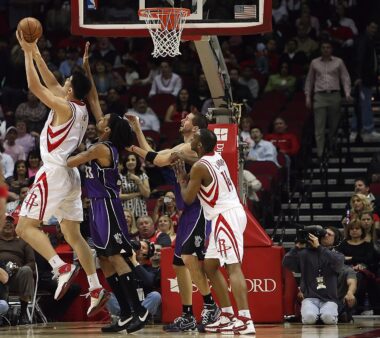

How to Execute a Fast Break: Basketball Transition Offense Strategies
Executing a fast break is crucial in basketball, particularly during transition offense. Fast breaks can catch defenses off guard, allowing offensive players to score easily. The first step is achieving a defensive rebound. A good rebound allows the player to push the ball up the court quickly. Players should position themselves strategically to secure the ball upon the rebound. After obtaining the rebound, simply dribbling the ball can set up a fast break. The next critical technique is to recognize passing opportunities. Players should be aware of their teammates’ positions and potential lanes for passing. Quick, accurate passes are essential for maintaining forward momentum. A successful fast break often requires the ball handler to engage the defense by drawing in defenders. This can create openings for teammates to receive passes for an easy shot. Additionally, it’s vital to develop spacing on the court. Players should spread out to give enough room for passing options. Communication is also important during a fast break. Players need to call for the ball or indicate their intended movement. All these elements combined create a potent fast break strategy.
Key Techniques for Transition Offense
There are key techniques in transition offense that can significantly enhance a team’s effectiveness during fast breaks. Among the most important is the speed of execution. The team should aim to transition quickly from defense to offense. Conditioning plays a crucial role, as well-conditioned players can outrun defenders. Another important technique is anticipation. Players must anticipate where the ball will go following a rebound or turnover. This anticipation helps them position themselves effectively. Additionally, practicing decision-making under pressure can improve performance. Players should practice rapidly deciding whether to shoot, pass, or drive to the basket during a fast break. Players should also hone their finishing skills. Using various finishing techniques, including layups and contested shots, can improve scoring opportunities. Incorporating drills simulating game situations will establish familiarity and confidence. Moreover, encouraging players to utilize the appropriate passing techniques is vital. Chest passes, bounce passes, and overhead passes can all be effective in different situations. Teaching players when and how to execute each pass during a fast break can make a noticeable difference. These techniques are paramount in bolstering a team’s transition offense capabilities.
Reading the defense is another essential skill when running a fast break. Players should be taught to assess how the defense is set and where the weaknesses lie. Recognizing whether defenders are retreating or scrambling allows players to exploit gaps efficiently. Coaches should emphasize the importance of maintaining poise during these crucial moments. Additionally, visual cues such as signaling or calling plays can streamline fast break execution. It prevents communication breakdowns and helps solidify the team’s approach. Players must also be trained to adapt their pace based on the situation. Whether speeding up or slowing down the tempo can make or break a fast break opportunity. As players become more adept in transition offense, involving all teammates in the fast break becomes essential. A collective effort leads to a cohesive strategy that maximizes scoring potential. Also, substitutions should be timely to maintain fresh legs during these high-intensity moments. This ensures that players can continue executing effective fast breaks throughout the game. Consistent practice and drills focusing on transition offense will enhance a player’s ability to read defenses and adapt during high-pressure situations.
Importance of Communication
Communication during fast breaks is often a deciding factor in successful scoring opportunities. Players need to relay information to one another about spacing, potential passes, and defensive pressures they encounter. This real-time information exchange can drastically improve the fluidity of a fast break. Coaches should cultivate an environment that encourages vocal communication during both practice and games. Using specific terms or signals can help streamline communication among team members. Familiarizing players with these terms ensures everyone is on the same page during fast breaks. Moreover, non-verbal cues are equally significant. A player simply raising their hand could signal they’re ready to receive a pass. Constant eye contact and body positioning can also convey intentions effectively. Both verbal and non-verbal communication should be embedded into their transition offense drills. Teams that effectively communicate tend to practice better decision-making, which enhances their scoring opportunities. Additionally, reviewing game footage can provide situation-based insights into communication dynamics during fast breaks. Assuring players understand the value of these communication strategies contributes to overall team success in transition offense.
Another crucial aspect of mastering transition offense techniques is developing player roles. Each player should know their strengths and how they fit into fast break scenarios. For instance, a quicker player might take on the role of the primary ball-handler during these fast breaks, while taller players might focus on finishing or screening. Recognizing individual skills can enhance the effectiveness of the team’s overall strategy. Implementing drills that highlight these roles will reinforce their importance during game situations. Also, players should be encouraged to take ownership of their responsibilities within the team structure. Teams often perform best when each player understands their specific contributions. Furthermore, training sessions should incorporate situational drills, allowing players to practice their roles during fast breaks under various defensive setups. This will prepare them for real game scenarios and build confidence. Additionally, players should be aware of how their positioning affects teammates. Creating lanes for others will help the team maintain momentum, ensuring that scoring opportunities arise. Thus, honing individual roles within fast break dynamics highlights the collaborative nature of basketball while improving transition offense execution.
Building Team Chemistry
Building team chemistry is essential for executing effective fast breaks and overall transition offense. Trust among players enables smoother passes and better decision-making during critical moments. Coaches can foster chemistry through team-building exercises and encouraging teamwork on and off the court. Regular practices that emphasize fast breaks can develop a natural camaraderie amongst players. Further, watching game film as a team can build collective understanding regarding transition situations and lead to informed strategies. Additionally, providing feedback during drills promotes a positive environment for growth. Celebrating small victories as a team can nurture a supportive atmosphere. When players genuinely enjoy playing together, their motivation and performance levels improve. Coaches should emphasize valuing each player’s contributions during transitions. Recognizing these contributions fosters a sense of belonging and accountability within the team. Moreover, pairing up players as practice partners can enhance individual skills through peer learning. This can refine players’ abilities to work cohesively during fast breaks. Emphasizing the importance of relationships can turn a group of individuals into a unified team that excels in transition offense during competitions.
Finally, enhancing transition offense skills requires ongoing commitment and a strategic approach to practice. It is important to consistently revisit and refine these techniques. Incorporating feedback after games can provide insights into areas needing improvement. Engaging players in dialogue about their experiences during fast breaks can also clarify misconceptions and generate fresh perspectives. Additionally, hosting workshops focusing on transition offense can provide advanced techniques and strategies that players may not have previously considered. Learning from experienced coaches or athletes might inspire players to adopt new elements into their game. Furthermore, making adjustments based on player feedback can lead to improved performance overall. Rotation strategies should be revisited, ensuring players are best positioned on the court to execute effective fast breaks. Regular drills including various styles of play can keep practices dynamic and engaging. Track progress over time by revisiting drills and measuring improvement levels. Ultimately, success in executing fast breaks hinges on practice, patience, and adaptability as players grow within their roles and develop their skills.