
Hydration Tips for Seniors During Physical Activity
Hydration is vital for everyone, particularly for seniors engaging in physical activity. As we age, our bodies may become less efficient at managing hydration. Senior adults often experience a decline in thirst sensation, making it critical to remind themselves to drink water regularly. It is essential to establish a hydration schedule to consume fluids before, during, and after exercise. This can help maintain optimal hydration levels and support overall well-being. Seniors should aim to drink water, herbal teas, or electrolyte-infused beverages to replenish lost fluids. Be mindful of common misconceptions, such as the idea that thirst is an adequate indicator of hydration. For older adults, this may not hold true. Pay attention to other signs such as dry mouth or fatigue, which can signify dehydration. Additionally, consider the temperature and intensity of the activity when planning fluid intake. For example, during hot weather or high-intensity workouts, increased hydration is necessary. Integrating hydration tips and education into fitness routines can lead to healthier outcomes for seniors as they strive to maintain their fitness levels safely.
Understanding Fluid Needs
Different factors affect hydration needs, like age, temperature, and physical activity. Seniors should understand their individual requirements for maintaining proper fluid levels while exercising. A good rule of thumb is drinking at least eight 8-ounce glasses of water daily, but this amount may need to be adjusted for exercise intensity and duration. Activities that cause excessive perspiration necessitate increased fluid intake before, during, and after the activity. To adequately assess your hydration status, monitor urine color. Light yellow generally indicates proper hydration while darker shades signal the need for more fluids. Moreover, understanding how various beverages can influence hydration is beneficial. For instance, while soft drinks and coffee contain caffeine, they can lead to increased fluid loss. Therefore, seniors must prioritize water as the primary source of hydration for exercise. They can enhance water’s appeal by adding slices of fruit or herbs for flavor. This will promote a greater appreciation for hydration habits. A personalized approach to hydration can also include tracking fluid intake and recognizing personal body cues for better overall fitness performance and wellness.
Engaging in light physical activities, like walking or gentle yoga, does not diminish the importance of hydration. Water intake should still be prioritized even during less intense sessions, as it supports joint lubrication and nutrient transportation. In the case of more demanding exercises, seniors should consider sip intervals rather than consuming a large amount at once. This strategy helps the body better absorb the liquids, minimizing the risk of discomfort during workouts. In conjunction with hydration, seniors should pay attention to their nutrition, as balanced meals contribute to adequate fluid intake from the food itself. Foods like watermelon, cucumbers, and citrus fruits boast high water content and can assist in hydration efforts. Moreover, seniors should always consult their healthcare providers regarding their specific hydration needs, especially if they have underlying health conditions or take medications, as these factors may affect their fluid balance. Creating a supportive environment that encourages frequent water consumption, whether at home or in workout groups, can also relieve the burden of remembering to hydrate. With the right strategies in place, seniors can enjoy their exercises while staying well-hydrated.
Signs of Dehydration
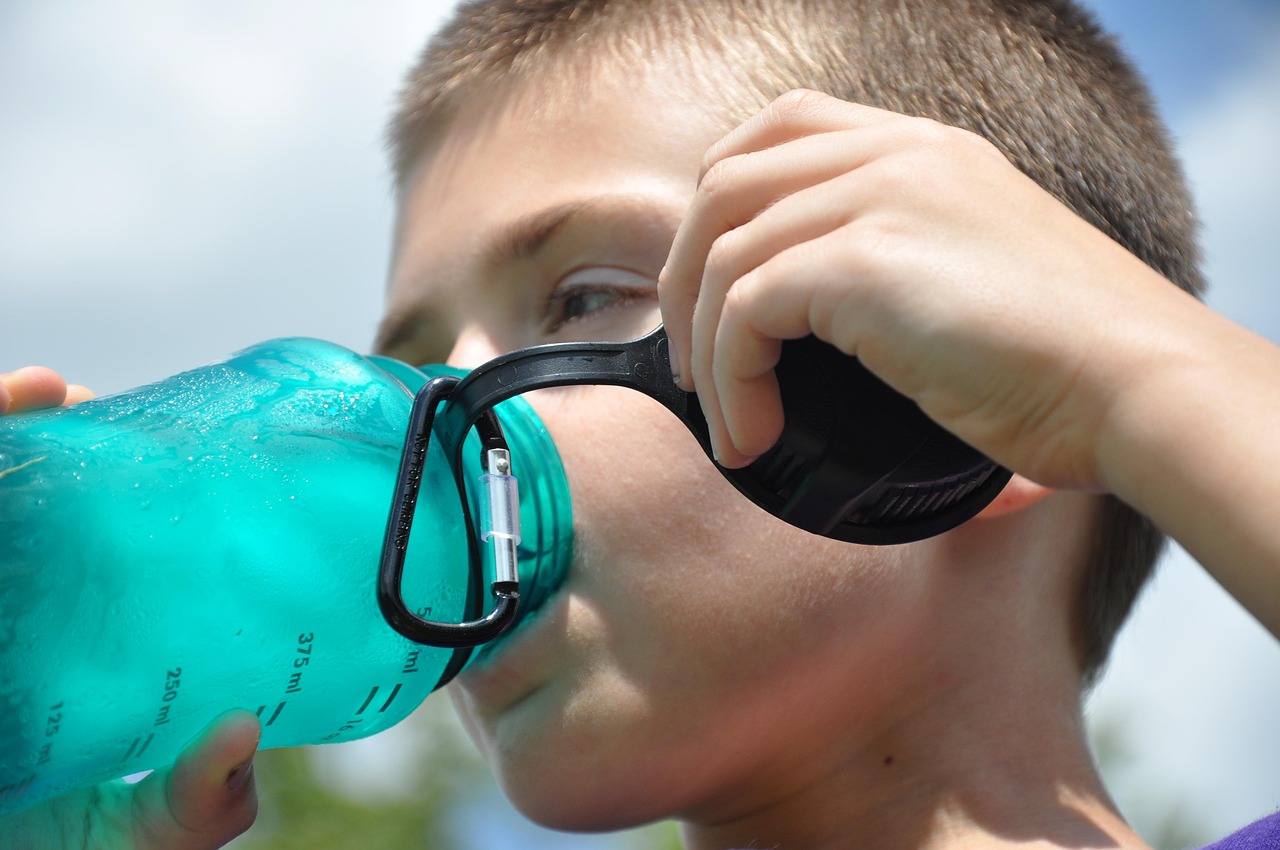
Seniors must recognize the signs of dehydration to maintain optimal health while exercising. Awareness of these symptoms can help prevent serious complications. Common indicators of dehydration include extreme thirst, dry mouth, confusion, dizziness, and less frequent urination than normal. If experiencing any of these symptoms, seniors should cease their physical activity and rehydrate promptly to avoid further health issues. Remember that dehydration can happen quickly, especially when exercising in warm conditions or for extended periods. Before commencing any exercise routine, ensure to have access to water nearby. Regular breaks to hydrate during workouts are essential, allowing for replenishment without overstraining the body. Furthermore, it’s beneficial to educate senior adults about hydration-related myths. Staying cautious of beliefs that assume one’s body will remain hydrated solely through various beverages like juices or sodas is crucial, as these may still contribute to dehydration. Filling a bottle with water before heading out or purchasing a reusable hydration container are proactive strategies. By prioritizing hydration and understanding its signs, seniors can engage in activities with confidence while focusing on exercise safety and wellness.
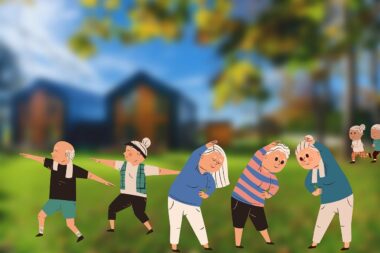
Participating in social exercise activities can also promote better hydration habits among seniors. Exercise groups or classes provide not only physical benefits but also opportunities for companionship and shared knowledge. Encouraging hydration breaks during these sessions can foster participation and accountability, helping seniors to remember their hydration needs. Engaging friends or family members in activities can enhance motivation as participants collectively prioritize their hydration and fitness goals. Furthermore, supporting one another in following the hydration tips discussed can create a supportive and interactive environment. Group discussions about hydration best practices or sharing favorite hydration techniques can increase awareness of the importance of fluid intake. Seniors may also appreciate the opportunity to learn from one another’s experiences. Incorporating hydration education into fitness programs can lead to improved outcomes, allowing seniors to experience powerful benefits from both social engagement and proper hydration. By creating enjoyable and informative settings, seniors will be better equipped to embrace healthy habits that promote overall well-being. Ultimately, encouraging this dynamic among peers can empower seniors to make smarter choices about their hydration during their fitness journeys.
After-Exercise Hydration
Post-exercise hydration is just as important as pre-workout hydration. Following physical activity, seniors should focus on replenishing lost fluids and nutrients to support recovery and overall health. After exercising, drinking water or electrolyte-replenishing drinks can restore fluid balance and enhance recovery. An effective guideline for post-exercise hydration could be to drink 16-24 ounces of water for every pound lost during the workout. Utilizing a scale can assist in tracking weight changes for a more accurate assessment of hydration needs. Additionally, when exercising in hotter climates, incorporating fruit or salty snacks can help replenish both fluids and lost electrolytes. Keeping favorite after-exercise beverages nearby, like coconut water flavored with natural fruits can help keep senior adults both engaged and hydrated. Moreover, seniors should listen to their body after a workout. Fatigue or muscle cramping can indicate insufficient recovery or dehydration. Establishing a post-exercise routine of rehydration can enhance well-being and performance in future workouts. Ultimately, all of these strategies and practices contribute to consistent hydration, enabling seniors to maintain active and fulfilling lifestyles.
In conclusion, prioritizing hydration for seniors during physical activity is essential for enhancing their fitness experience and overall well-being. Understanding individual fluid needs, recognizing signs of dehydration, and fostering supportive environments are all crucial steps in promoting safe exercise practices. By actively engaging in promoting healthy hydration habits, seniors can navigate their fitness journeys with confidence. Effectively employing methods like flavored water, adherence to hydration schedules, and social accountability within exercise groups will aid seniors in developing better hydration strategies. Furthermore, by being observant regarding their responses to physical activity, seniors can optimize hydration behaviors tailored specifically for them. Always keep in mind that the goal is to maintain enjoyment and health throughout the exercise phases. Continue to encourage open discussions about hydration in fitness circles, as it helps in broadening knowledge and resources necessary for optimal hydration. Ultimately, a dedication to understanding hydration needs can support seniors in embracing active lifestyles as they safely engage in physical activities. Continually sharing insights, practices, and successes related to hydration will enhance overall fitness experiences for both individuals and groups alike.
In summary, encouraging hydration for senior adults during exercise is paramount. Building awareness around hydration practices enhances confidence as seniors pursue healthy activities. Developing healthy hydration habits entails understanding both individual needs and a collective approach within exercise groups or personal routines. Consistency in fluid intake, along with attention to body signals, will empower seniors to navigate their fitness endeavors successfully. The incorporation of hydration education into fitness strategies underlines its significance as a component of wellness and safety. By enlightening seniors about proper hydration, we can ensure they enjoy their physical activities more and experience improved well-being. Collaboration among caregivers, trainers, and peers ultimately fosters an environment of support that encourages safe hydration practices. This collective effort can profoundly affect seniors’ fitness journeys as they prioritize health, well-being, and enjoyable exercise experiences. As they remain attentive to hydration, seniors can confidently embrace their active lives and flourish in their pursuits, enriching their quality of life through physical activity and connection. Above all, promoting effective hydration strategies for seniors will lead to healthier lifestyles while nurturing resilience and a zest for life.