
Kettlebell Workout Plans for Athletes: Boost Performance
Kettlebell training has gained popularity among athletes due to its ability to boost strength, endurance, and agility. Integrating kettlebell workouts into your training regimen can provide numerous benefits that enhance athletic performance. It not only improves muscular strength but also emphasizes functional movement patterns crucial for sports. The dynamic lifting movements help in building core stability and coordination, critical for peak performance in various sports. When executing these movements, proper form and technique are vital to prevent injuries while ensuring maximum effectiveness. Athletes can engage in a variety of exercises such as swings, snatches, and Turkish get-ups, each targeting different muscle groups. A well-structured kettlebell workout plan allows athletes to systematically develop their skills and abilities. The usage of kettlebells also aids in developing explosive strength that translates well into athletic skills like sprinting and jumping. Hence, implementing kettlebell workouts can lead to significant improvements in performance metrics, making it an essential training component. Notably, included are both strength and cardiovascular enhancements, ensuring that athletes perform better on the field or court. Utilizing kettlebells will undoubtedly refine your training approach and yield impressive results.
To create an effective kettlebell workout plan, athletes should consider their specific sports-related goals. Tailoring workout routines based on individual needs enhances training efficiency. Using a combination of high-intensity and endurance circuits, athletes can target various fitness components such as strength, speed, and flexibility. The periodization approach can also be incorporated into kettlebell training, allowing for planned phases of intensity. This way, athletes can avoid fatigue and overtraining while maximizing performance gains. A sample kettlebell workout might include exercises like double kettlebell press, kettlebell goblet squats, and Russian twists. Each session typically lasts 45 to 60 minutes and should be done a few times a week, depending on the sport. To assess progress, athletes can track their performance metrics by noting improvements in repetitions and lifting weights over time. Additionally, incorporating rest days is crucial to aid recovery and prevent injuries. Research suggests that integrating kettlebell workouts not only improves physical attributes but also instills mental toughness. Therefore, create a schedule that aligns with your regular training focus, ensuring that kettlebell workouts complement overall athletic development.
Exercise Techniques and Safety
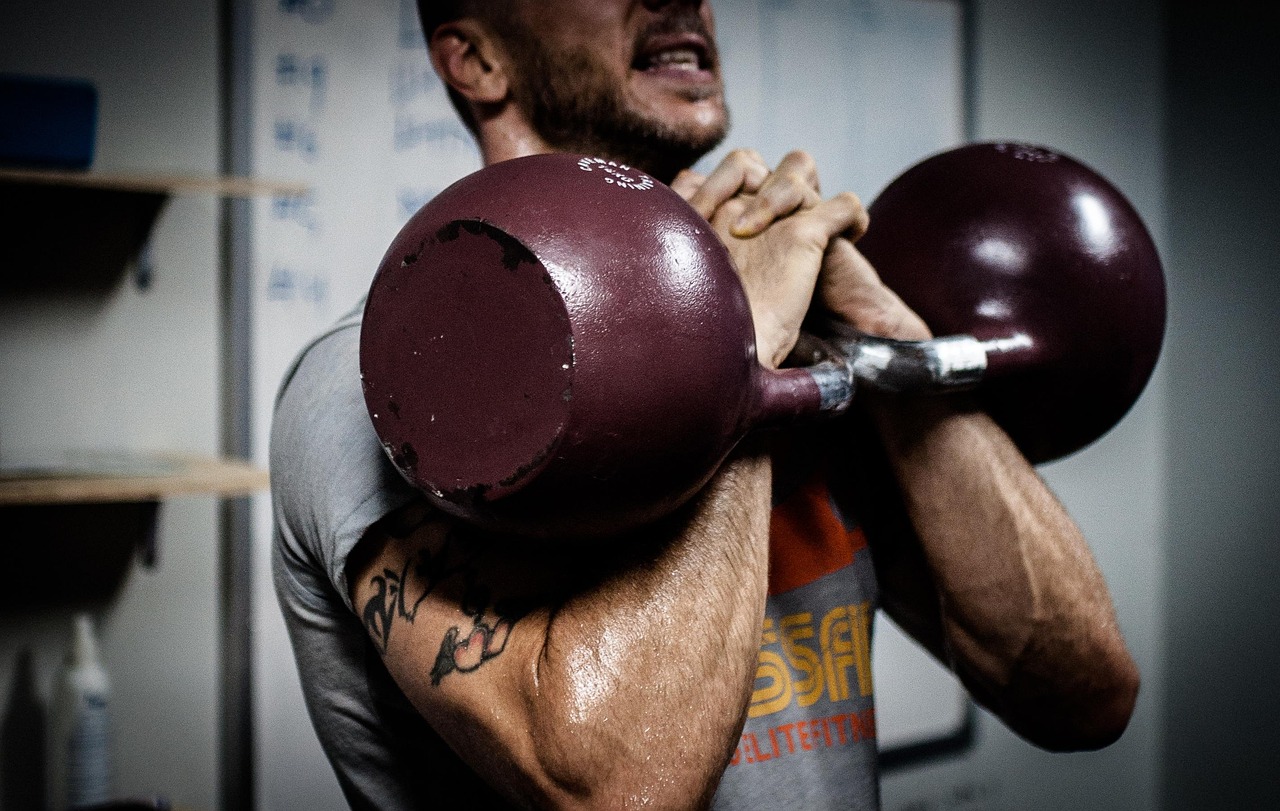
When performing kettlebell exercises, technique plays a pivotal role in effectiveness and safety. Athletes must master foundational movements before progressing to advanced techniques. Proper grip, stance, and motion are essential to executing lifts correctly, hence reducing injury risks. Instructional videos can provide valuable guidance; however, consulting with a kettlebell coach can greatly enhance learning. Focusing initially on bodyweight exercises allows athletes to develop the necessary movement patterns before introducing weight. Among the essential lifts, the kettlebell swing stands out for its ability to engage the posterior chain. Athletes should aim to initiate the swing with their hips rather than their arms. Other critical exercises include the kettlebell clean and press as well as the snatch, each building on foundational strength and explosiveness. Ensuring that the kettlebell is of appropriate weight is also crucial; choosing a weight that allows for proper form will lead to better results. Athletes should gradually increase their lifting weights, focusing on comfort and control throughout each movement. Remember to maintain a neutral spine during all movements, as good posture not only promotes safety but also maximizes lifting efficiency.
Furthermore, kettlebell workouts can be easily adapted for varying fitness levels. This versatility makes it perfect for athletes involved in different sports disciplines. Beginners might start with lighter kettlebells, focusing on mastering the techniques before proceeding to complex movements. Athletes at more advanced levels can incorporate heavier kettlebells and combine movements into circuit complexes, significantly increasing their workout intensity. The key to sustaining interest and motivation in kettlebell training is the variety it offers. Regularly switching up routines and introducing new exercises keeps the training fresh and stimulating. Additionally, training partners can influence motivation levels; working out with a friend can create accountability and friendly competition. The social aspect of kettlebell workouts also increases adherence to training schedules, consistently improving fitness results. By participating in kettlebell classes or group sessions, athletes expose themselves to experienced trainers and other enthusiasts. Not only does this foster a positive environment but it enhances technical understanding as well. Incorporating kettlebell training into existing routines will effectively boost overall athletic performance in both strength and endurance.
Nutrition for Enhanced Performance
Nourishment greatly impacts athletic performance, and a balanced diet is essential for achieving optimal results in kettlebell training. Athletes must ensure a sufficient intake of macronutrients, including proteins, carbohydrates, and fats, to fuel their workouts. Prior to training, consuming easily digestible carbohydrates helps provide the necessary energy for demanding sessions. Post-workout nutrition deserves equal attention; athletes should focus on protein-rich meals to facilitate muscle recovery. This can involve meals like grilled chicken with sweet potatoes or protein smoothies. Hydration is also an essential component of performance; athletes must drink adequate fluids to maintain energy levels during workouts. Dehydration negatively affects strength and stamina; therefore, implementing a hydration plan around workouts is crucial. Adaptable meal plans can be beneficial for busy athletes, ensuring they meet their nutritional goals even on packed schedules. Supplementation can also play a role in enhancing performance, with options like protein powders and branched-chain amino acids (BCAAs). However, athletes should consult nutritional experts before making changes. Taking time to prioritize nutrition along with kettlebell training guarantees comprehensive athletic improvements over time.
Additionally, athletes should understand the importance of recovery to make the most out of their kettlebell training. Recovery strategies should include both active and passive recovery techniques, ensuring the body heals adequately. Active recovery measures may involve light exercises such as walking or yoga on rest days, promoting blood flow to the muscles. Another effective strategy is incorporating foam rolling and stretching routines to alleviate muscle tension. Sufficient sleep is vital; athletes should aim for seven to nine hours nightly to support muscle recovery and hormone regulation. Engaging in relaxation techniques such as meditation and deep breathing can also facilitate faster recovery. Monitoring fatigue levels helps athletes know when to push harder or dial back intensity, preventing burnout. Additionally, employing tools like wellness apps can assist in tracking recovery metrics. Ensure to prioritize mental health alongside physical fitness, as psychological well-being influences overall performance too. Striking the right balance between training intensity and recovery practices is essential for athletic success. Over time, a well-rounded approach to recovery will significantly enhance the effectiveness of the kettlebell workout plan.
Tracking Progress and Adjustments
Successfully implementing kettlebell workout plans necessitates consistent tracking of progress over time. Athletes should meticulously document workouts, noting exercises performed, weights lifted, and repetitions completed to monitor improvements. This documentation significantly helps in identifying which exercises yield the best results and where adjustments may be necessary. Setting specific, measurable goals can further enhance the effectiveness of kettlebell training, motivating athletes as they strive to achieve targets. Progress can also be gauged through improved performance metrics, such as increased speed in sprints or enhanced lifting capabilities during competition. Adjusting kettlebell workout plans periodically ensures they remain aligned with evolving fitness levels and performance objectives. As athletes get stronger, it is crucial to increase weights and vary exercises to prevent plateaus. Moreover, introducing new techniques keeps routines engaging and fosters continual improvement. If an athlete finds certain workouts less effective, seeking feedback from coaches can lead to valuable insights. Embracing a mindset of adaptability along with consistent progress tracking will significantly enhance the training process. Kettlebell workouts, when executed thoughtfully, effectively promote increased athletic performance while keeping athletes motivated and engaged.
In conclusion, kettlebell workout plans are invaluable tools for athletes seeking to elevate their performance. The unique combination of strength training and cardiovascular conditioning emphasizes functional movements that directly transfer to various sports. By focusing on proper technique, athletes of all levels can achieve significant gains while minimizing the risk of injury. Regular incorporation of kettlebell workouts, supported by a balanced nutrition and an emphasis on recovery, will ensure lasting improvements in physical abilities. Furthermore, progress tracking remains central to the success of kettlebell training, allowing athletes to recognize their growth and adapt their routines accordingly. As training needs evolve, flexibility within workout plans will sustain engagement and challenge athletes to reach new heights. The effectiveness of kettlebell training lies in its versatility, offering myriad exercise options suitable for all fitness levels. Overall, integrating kettlebell workouts into athletic training promises benefits that translate directly into improved performance on the field or court. For athletes dedicated to maximizing their potential, kettlebell training is a realistic and powerful approach to achieve their fitness goals.