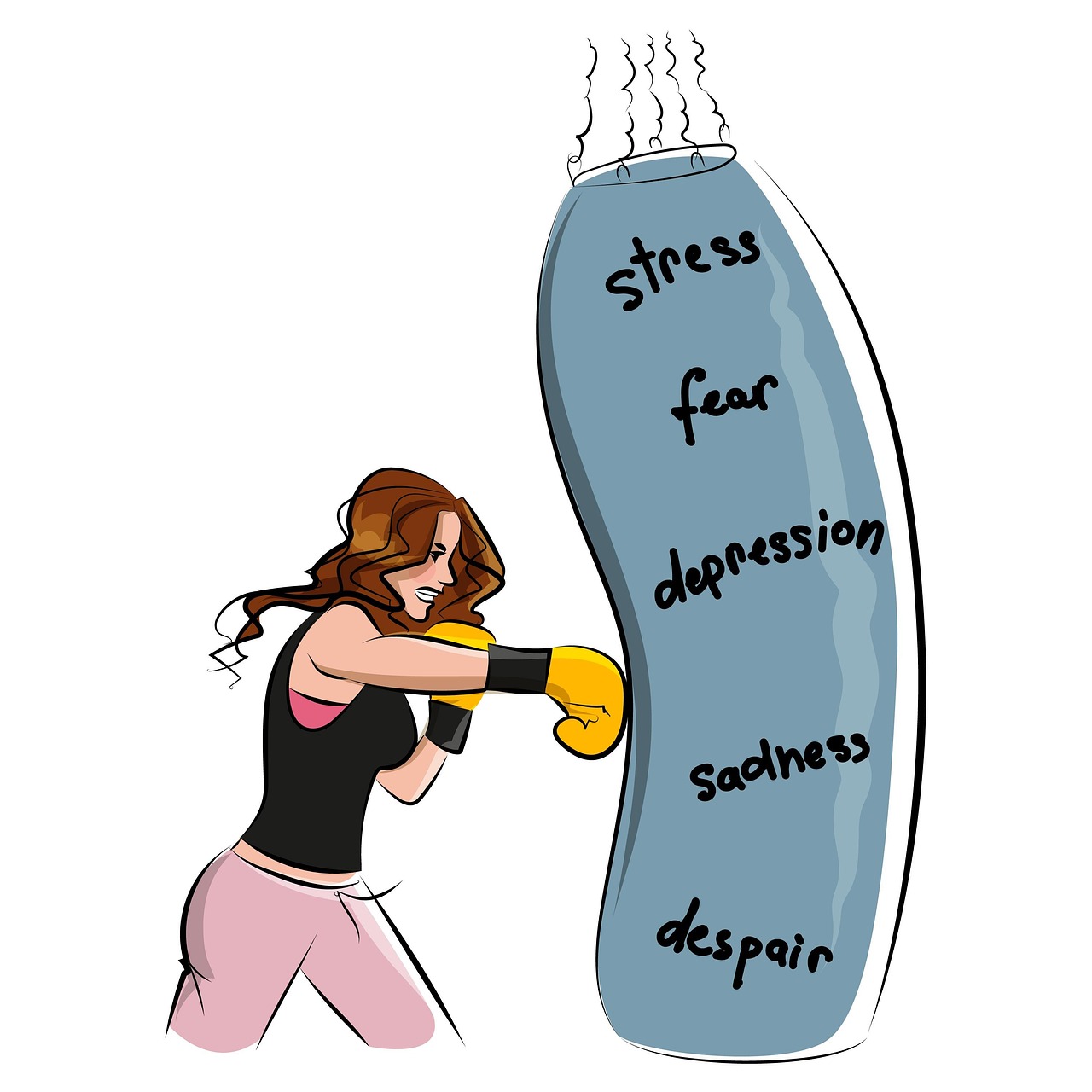

Mental Recovery Strategies After Volleyball Matches
Like any sport, volleyball demands not only physical skills but also mental resilience. After an intense match, players can experience considerable psychological fatigue. This fatigue can detract from their performance, leading to persistent stress and anxiety. To replenish your mental strength, it is crucial to implement effective recovery strategies. One sidelight to focus on is the practice of mindfulness. Mindfulness involves being present in the moment, observing your thoughts and feelings without judgment. This practice can significantly help volleyball players recover from the mental toll of a match. Additionally, visualization techniques also play an integral role. Imagining successful plays can boost your confidence and reinforce positive outcomes. Combining these strategies with physical recovery enhances overall recovery. Another essential component worth discussing is the permissibility of taking emotional inventory post-match. Reflecting on one’s emotional state can help players process their experiences better. Sharing experiences with teammates enhances camaraderie and provides mutual support. Setting aside time for relaxation, especially through activities such as yoga or meditation, can be beneficial for mental recovery following competitive bouts.
The Role of Rest in Mental Recovery
The role of rest is pivotal when discussing mental recovery strategies following volleyball matches. The body is undeniably affected by the stressors of the game; however, the mind requires equal attention. After a challenging match, players should prioritize getting ample rest to allow their cognitive functions to recover. Sleep is essential for memory consolidation and emotional regulation. A well-rested mind performs significantly better in both practice and matches, enhancing concentration and decision-making. Beyond physics, engaging in restful activities can contribute positively to the mental state. One effective method is taking a break from volleyball to engage in hobbies that foster relaxation and joy, such as reading. This can serve as an excellent tool to divert your thoughts from match pressure. Another useful strategy is incorporating gentle physical activity like light jogging or stretching. This helps in easing both physical and mental tension. Furthermore, engaging in social activities with friends and family can also aid mental recovery. Laughter and companionship provide a natural boost, alleviating anxiety and improving overall mood. Making room for adequate rest and enjoyable activities is crucial for preparing mentally for future matches.
Emotional Processing After Competitive Matches
Emotional processing plays a vital part in mental recovery after volleyball matches, allowing athletes to face their feelings constructively. For volleyball players, understanding their emotions can facilitate growth and resilience. One method of processing is journaling, where athletes can document their feelings and experiences. This provides clarity and allows for expressing feelings that may be uncomfortable to verbalize. Furthermore, discussing emotions with teammates can create a supportive environment, reaffirming that other players share similar experiences. Participation in team debriefs can also foster emotional healing. Setting aside time to collectively discuss the match facilitates a sense of shared responsibility and growth. This experience can strengthen team bonds and create an atmosphere of support. Additionally, engaging in practices such as deep breathing can assist in calming heightened emotions that arise after intense competition. Taking these moments to reflect also gives insights into areas of both success and improvement. Coaches and players should create an emotionally safe space for discussions. Doing so encourages players to open up about their feelings following matches, promoting transparency and connectivity within the team. Emotional processing is indispensable for sustainable performance and healthy mental states.
Another essential component of mental recovery strategies focuses on handling the highs and lows of competition. Athletes experience an array of emotions throughout matches, from exhilaration during victories to disappointment in losses. Embracing this emotional spectrum can equip volleyball players with the tools to manage their reactions. Acknowledging these feelings and understanding their significance is critical in fostering resilience. Techniques such as reframing thoughts can reshape negative experiences into learning opportunities. Players are encouraged to reflect constructively on their performances rather than dwell solely on failures. Constructive feedback from coaches can aid in reframing aspects of their game that need improvement. Furthermore, sessions with sports psychologists can benefit players who struggle to cope with emotional volatility. Engaging in psychological training can help athletes build mental resilience and focus. Learning to separate personal worth from athletic performance can reduce pressure and promote a healthier mindset. Cumulatively, these strategies lead to a comprehensive approach to post-match mental recovery, ensuring players bounce back. Just as physical recovery is necessary, so is this mental recovery equally essential for sustained athletic success.
Nutrition’s Impact on Mental Recovery
Nutrition plays an integral role in the mental recovery process following volleyball matches. Consuming the right foods can significantly impact cognitive function, emotion regulation, and overall mood. A balanced diet rich in nutrients supports energy production and brain health. Foods high in antioxidants, omega-3 fatty acids, and vitamins can help alleviate stress levels. Incorporation of whole grains, fruits, and lean proteins creates a well-rounded plate essential for recovery. Moreover, hydration cannot be overlooked during the recovery phase, as dehydration can impair concentration and mental clarity. Ensuring that players replace lost fluids post-match is critical. Snack options that contribute to mental recovery include nuts, yogurt, and berry smoothies. These options provide easily digestible energy sources and promote brain health. Delaying meals after a match can lead to sluggishness, impacting performance in subsequent training sessions. Planning post-match meals can provide excitement and anticipation for recovery, further enhancing the mental aspect of the recovery. Additionally, educating players about nutritional needs can empower them to make informed food choices that contribute positively to their mental state. Overall, proper nutrition supports a steady transition into recovery.
Adaptive Coping Skills for Volleyball Players
Adaptive coping skills are essential for volleyball players dealing with the mental demands of the sport. Players often face various pressures, including competition anxiety, performance expectations, and the desire for success. Developing adaptive coping strategies can significantly mitigate these pressures and enhance mental recovery. Techniques such as positive self-talk foster a constructive internal dialogue, empowering players to approach challenges with a positive attitude. Additionally, setting realistic and achievable goals can create a sense of control and direction amidst uncertainty. This practice eliminates overwhelming feelings and encourages focus. Another useful coping mechanism is seeking feedback from peers and coaches, enabling players to view challenges constructively. Utilizing social connections strengthens emotional support, contributes to mental resilience, and helps facilitate recovery. Mindfulness exercises also provide valuable coping strategies, allowing players to focus on the present moment. These exercises can include deep breathing or meditation, benefiting a player’s mental state during competition and recovery periods. Implementing adaptive coping skills creates a robust toolkit that supports mental strength and resilience for volleyball players. Adopting these strategies ultimately ensures players are better equipped to handle the psychological rigors of the sport.
Finally, establishing a personalized mental recovery routine can significantly benefit volleyball players in their journey to optimizing mental health. This routine, tailored to individual preferences and needs, can create consistency and promote recovery effectiveness. Players can incorporate various methods, including visualization techniques, mindfulness exercises, physical relaxation techniques, or creative activities. Creating a post-match ritual helps establish a routine that signals the mind and body to wind down after a competition. Engaging in light stretching or a short meditation session can initiate mental recovery effectively. Additionally, varying the post-match routine can keep it fresh and enjoyable. Players might explore new relaxation activities like painting, listening to music, or spending time outdoors. Choosing enjoyable activities aids in fulfilling recovery needs and fosters a sense of engagement. Creating a recovery schedule can help players prioritize self-care after matches, allowing time for necessary reflection and emotional processing. Ultimately, maintaining a dedicated approach to mental recovery will contribute to improved performance and overall well-being in volleyball. Within a caring and supportive environment, players can thrive and enhance mental fortitude that complements their physical skill.
Overall, equipping volleyball players with effective mental recovery strategies is essential for balancing the physical and emotional demands of the sport. As athletes compete, they experience a multitude of pressures and emotions that require robust recovery techniques. Key strategies encompass emotional processing, mindfulness practices, nutrition, and adaptive coping skills essential for sustaining mental health. Cultivating a personalized approach to recovery enables volleyball players to embrace their unique needs and preferences. Understanding that mental and emotional well-being is just as vital as physical performance can influence training and recovery positively. Fostering a supportive team environment encourages open conversation, enabling collective emotional processing and resilience. Finally, integrating various methods into a comprehensive mental recovery routine enhances players’ ability to recover effectively after each competition. The interplay between physical and mental recovery significantly impacts a player’s performance and longevity in the sport. Prioritizing mental recovery is vital for maintaining motivation, enhancing confidence, and ensuring healthy engagement in volleyball. By embracing these strategies, players can foster sustainable growth, resilience, and a renewed passion for the game. A holistic approach to recovery is paramount in enhancing performance, personal growth, and enjoyment of volleyball.