
Nutrition Tips to Support Olympic Lifting Training in CrossFit
When engaging in Olympic lifting within CrossFit, proper nutrition is essential to maximize performance and recover efficiently. The importance of consuming an adequate blend of macronutrients cannot be overstated. Every lifter needs to focus on managing carbohydrate intake, as it plays a crucial role in providing energy during intense workouts. Complex carbohydrates, such as oatmeal, quinoa, and sweet potatoes, should be incorporated to sustain energy levels. Additionally, protein consumption is vital for muscle growth and recovery. Quality protein sources like lean meats, fish, dairy, and plant-based alternatives like beans and legumes are highly beneficial. Healthy fats are also essential, providing energy for long training sessions. Foods rich in omega-3 fatty acids, such as fish, walnuts, and avocado, should be included in daily meals. Hydration is another critical aspect often overlooked. It’s crucial to drink enough water throughout the day, especially before, during, and after workouts. Electrolyte balance can also be maintained with electrolyte drinks, particularly after intense training. In summary, achieving an optimal nutritional balance is vital for improving performance in Olympic lifting within CrossFit.
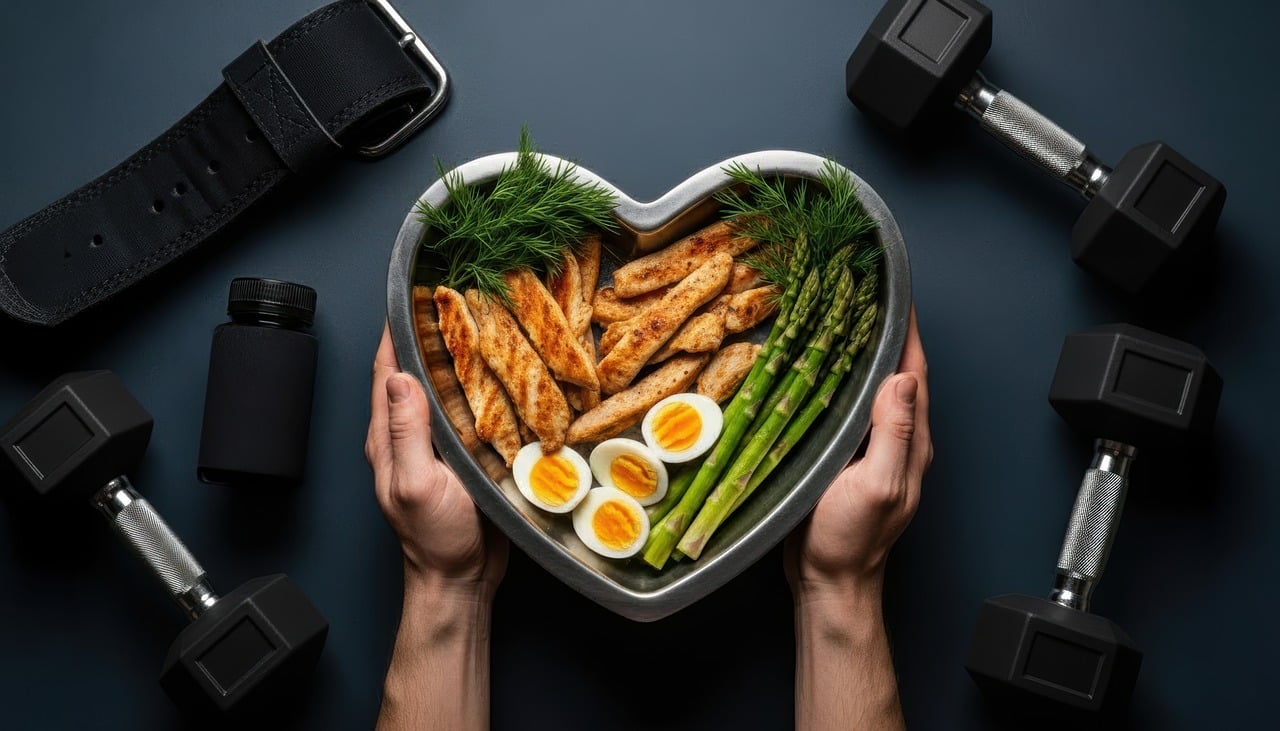
A well-structured eating schedule can further enhance your Olympic lifting performance. Meal timing is essential; consuming a balanced meal containing carbohydrates and protein two to three hours before training can optimize energy stores. A pre-workout snack, such as a banana with nut butter or yogurt with granola, can provide an immediate energy boost. Post-training nutrition is equally important in facilitating optimal recovery. Focusing on protein intake within 30 minutes following your workout can help repair and rebuild your muscles efficiently. Combining protein with carbohydrates can maximize glycogen replenishment, which is crucial for performance in subsequent sessions. Examples of effective post-workout meals include a protein shake with fruits, chicken and rice, or a tuna sandwich. During training, small snacks such as energy bars or fruits can provide sustained energy levels. Elite lifters often track their dietary intake, ensuring they’re meeting their macronutrient targets. Consider utilizing nutrition apps to assist in monitoring your intake. Lastly, avoid fad diets that may lead to inadequate nutrition, which negatively impacts your training. Emphasizing balanced meals will ultimately support your CrossFit and Olympic lifting journey.
Understanding Micronutrients
While macronutrients are crucial, micronutrients also play a significant role in the overall health of Olympic lifters. Vitamins and minerals help regulate energy production and support metabolic processes. For instance, calcium and vitamin D contribute to bone health, which is vital for athletes performing high-impact lifts. Ensuring sufficient intake of antioxidants, such as vitamins C and E, can help combat oxidative stress that results from intense training. Eating a diverse range of fruits and vegetables is an effective way to meet your micronutrient needs while providing essential fibers. Leafy greens, berries, and citrus fruits can enhance immune function, keeping you healthy and training consistently. Also, consider the role of magnesium in muscle function; it helps prevent cramping and aids recovery. Sources rich in magnesium include nuts, seeds, and whole grains. Another essential mineral is iron, crucial for oxygen transport within the body. Lean meats, beans, and fortified cereals are excellent sources of iron. Adequate micronutrient intake not only boosts your lifting capabilities but also supports endurance during CrossFit workouts, making nutrition a multifaceted approach to performance enhancement.
Supplementation is another aspect to consider in conjunction with a balanced diet. While emphasizing food first is crucial, specific supplements can offer additional support for Olympic lifting performance. Protein powders are popular choices for individuals seeking to increase their protein intake efficiently. Whey, casein, and plant-based protein powders can aid in meeting recovery goals. Creatine is a well-researched supplement known for improving performance in low-rep, high-intensity training, like Olympic lifting. Creatine enhances strength, power, and overall muscle mass. Many athletes find benefit from taking creatine daily to support their training. Another supplement to consider is beta-alanine, which may enhance endurance by buffering muscle acid buildup, allowing you to perform more reps. Always ensure to consult with a healthcare professional or a registered dietitian before starting any new supplement regimen. They can help you determine if supplementation is necessary based on your diet and training goals. Lastly, hydration supplements may help recover from dehydration, particularly in hot training environments. Always prioritize hydration and focus on a varied diet to achieve your best performance.
Listening to Your Body
One key aspect of nutrition for Olympic lifting that often goes unnoticed is the importance of listening to your body. Every athlete’s nutritional needs are unique, and what works for one individual may not work for another. It’s crucial to be aware of how different foods affect your performance and recovery. Pay attention to your energy levels during workouts and adjust meal sizes or components accordingly. If you experience fatigue or sluggishness, consider evaluating your carbohydrate intake. Similarly, if you notice persistent soreness post-workout, investigate your protein intake to ensure adequate recovery support. Some lifters may feel better with more substantial amounts of protein, while others may perform well with less. Documenting your food intake and assessing how you feel during training can help fine-tune your nutrition plan. It’s also important to allow for flexibility within your diet. Occasionally indulging in your favorite treats can be beneficial for overall mental well-being and prevent feelings of restriction. Focus on maintaining a consistent dietary approach that prioritizes health and enhances performance, supporting your CrossFit Olympic lifting journey.
Meal prepping can significantly aid CrossFit athletes in following their nutritional plans consistently. Taking the time to prepare meals in advance allows individuals to make healthier choices and avoid relying on quick, less optimal options. Set aside a few hours each week to create balanced meals focusing on whole foods. Preparing ample portions of lean proteins, complex carbohydrates, and colorful vegetables can ensure you have everything on hand when hunger strikes. Consider packing meals or snacks in easy-to-grab containers for added convenience. Invest in a collection of recipes that meet your dietary needs while being easy to make in bulk. Ensure to vary your recipes to prevent boredom in your meal routine. For those living busy lifestyles, meal freezing can prolong the freshness of meal prep while maintaining nutritional quality. Moreover, make sure to plan your grocery lists based on your meal prep to avoid impulse purchases. Ultimately, structuring your diet through meal prepping can lead to more successful nutrition adherence, helping you reach your Olympic lifting goals in CrossFit.
Conclusion
In conclusion, nutrition plays a vital role in supporting Olympic lifting training within CrossFit. Prioritizing a balanced intake of macronutrients, understanding the importance of micronutrients, and considering supplementation can positively impact performance and recovery. Furthermore, listening to your body’s unique responses to food is essential for crafting effective nutrition strategies. Implementing meal prepping can help maintain healthy eating habits and encourage consistency in following your nutritional plan. The journey of Olympic lifting requires significant dedication, and optimizing your nutrition can provide that extra edge needed for success. Remember to stay hydrated and consider your overall well-being, enjoying your meals in moderation. Continuous education on nutrition will empower you as an athlete, enabling you to adapt your dietary needs as your training evolves. Additionally, staying connected with a community that shares similar fitness goals can be incredibly motivating. Always consult with professionals when uncertain, as personalized guidance can significantly enhance performance. With dedication to both training and nutrition, you will undoubtedly make strides in your Olympic lifting journey within the CrossFit realm.
Remember to gradually implement dietary changes, rather than making drastic adjustments overnight. This helps your body adapt smoothly to new eating patterns, avoiding potential disruptions to your performance and well-being. Start by adding or substituting healthier choices rather than eliminating foods entirely. It’s about creating a balanced approach to nutrition that ultimately supports your CrossFit goals and enhances your Olympic lifting capabilities. Consider experimenting with meal timings, as they can impact energy levels during your workouts. Try different combinations of pre- and post-workout foods to discover what best supports your performance. Adaptability is key, so ensure you are willing to modify your nutrition plan as you grow as an athlete. Connecting with experienced lifters, registered dietitians, or nutrition coaches can also provide invaluable insights and tips. Engaging in discussions about nutrition can enhance your understanding and application of these principles. Above all, enjoy the process of finding what works for you, making meals that are both nutritious and enjoyable. By following these points and committing to your nutrition, you will undoubtedly experience improvements in your CrossFit Olympic lifting journey.