
Postural Alignment and Its Impact on Senior Respiratory Health
Postural alignment significantly influences respiratory health in seniors. Aging often leads to a natural deterioration of posture, affecting lung capacity and function. When seniors slouch, compressing their chest and abdomen, it can inhibit full lung expansion. This results in reduced oxygen intake, which is vital for energy and overall well-being. Proper posture promotes an open chest, enabling the diaphragm to function effectively. Additionally, seniors who maintain correct postural alignment often report enhanced energy levels and decreased fatigue. Encouraging exercises that focus on strengthening the core muscles can alleviate postural issues while simultaneously improving respiratory capacity. Engaging in stretches can further enhance flexibility and alignment. The connection between postural alignment and respiratory health cannot be overstated. Therefore, special attention should be given to exercises encouraging good posture. Professionals working with seniors should prioritize developing personalized regimens to boost alignment. Integrating posture awareness into regular health check-ups can foster improved outcomes, ensuring seniors live healthier, fulfilling lives. Addressing these factors holistically introduces vital strategies, paving the way for enhanced physical function and respiratory wellness in older adults. Further research continues to support these findings and their implications for elderly care.
The Importance of Core Strength
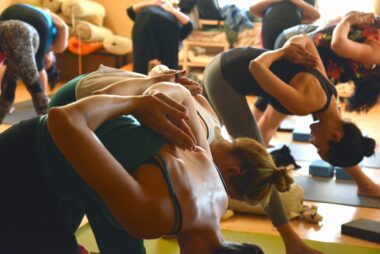
Core strength plays a crucial role in enhancing postural alignment. Seniors benefit significantly from a strong core, which stabilizes the torso and supports the spine. A robust core reduces the risk of falls, which is particularly important as older adults may experience balance issues. Engaging in core-strengthening exercises, such as Pilates or gentle yoga, can improve abdominal stability and promote better posture. These activities not only strengthen the core but also engage the muscles responsible for maintaining spinal alignment. As seniors develop core strength, they may experience less back pain, contributing to improved respiratory function. Furthermore, a strong core also aids in the proper functioning of the diaphragm, positively impacting breathing patterns. Effective core engagement during movement allows for deeper breaths by creating space within the thoracic cavity. This deep breathing promotes enhanced oxygen intake and overall cardiovascular health. Incorporating functional movements that enhance core stability into seniors’ fitness routines is essential. It’s essential to tailor these exercises to individual abilities, ensuring safety and effectiveness. By focusing on core strength, seniors can experience lasting benefits, improving their overall quality of life and respiratory health.
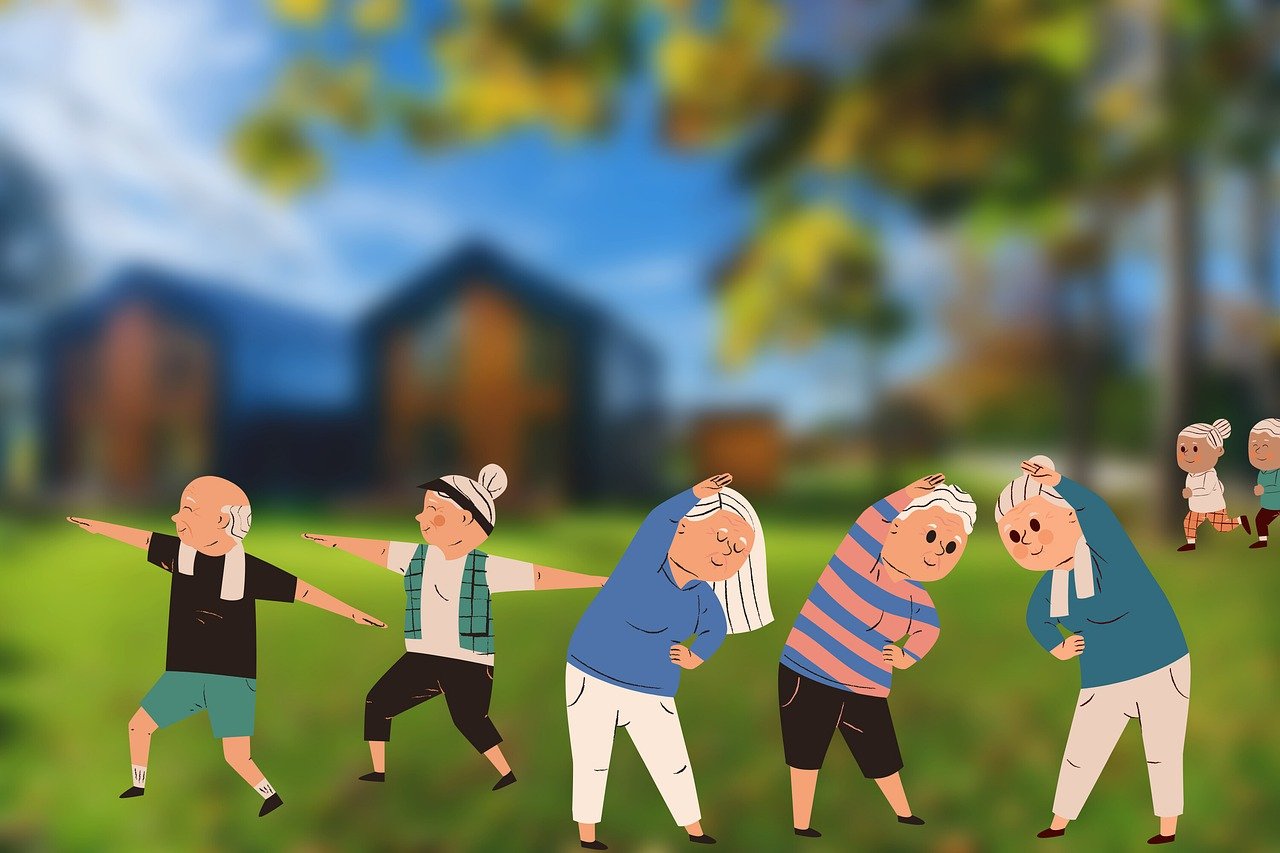
Regular exercise routines that incorporate postural alignment principles lead to significant improvements in senior wellness. Strengthening exercises targeting the back, abdomen, and pelvis promote better skeletal alignment. When seniors actively engage in such physical activities, they experience enhanced lung function due to improved thoracic expansion. Techniques such as tai chi are particularly beneficial, fostering strength, balance, and coordination while promoting healthy posture. Additionally, maintaining optimal posture can significantly reduce the risk of developing respiratory issues often associated with sedentary lifestyles. Participating in activities tailored to improve flexibility, balance, and strength enables seniors to navigate daily life more comfortably. As these attributes improve, seniors often report higher energy levels and decreased instances of breathlessness. Emphasizing the link between physical activity and respiratory health encourages more seniors to participate in fitness programs. Moreover, health providers can play a pivotal role in guiding seniors towards appropriate exercise regimens. Through targeted training, medical professionals can support a population that might struggle with mobility. Overall, making postural alignment a fundamental focus within senior fitness regimes enhances respiratory health, creating a ripple effect across overall life satisfaction.
Breathing Techniques and Postural Alignment
Implementing effective breathing techniques can enhance the benefits of good postural alignment. Breathing deeply while sitting or standing up straight promotes optimal oxygen intake. Practices such as diaphragmatic breathing encourage seniors to utilize their full lung capacity, which is often compromised with poor posture. Training seniors to recognize their breathing patterns while maintaining alignment can create a strong connection between body and breath. Workshops focusing on these elements can be especially beneficial for older adults. It’s important to educate seniors about the signs of insufficient oxygen intake and its implications for their health. Educators can introduce techniques such as pursed lip breathing to aid in managing breathlessness and can enhance relaxation. When combined with physical activity, these breathing techniques can significantly amplify the benefits of exercise. Promoting an integrated approach encourages seniors to be mindful of their posture while performing daily tasks. Additionally, this can lead to improved quality of life, as effective breathing contributes to better mood and lower anxiety levels. As seniors gain awareness of the relationship, they become empowered to take control of their respiratory health.
Postural alignment exercises aimed at senior populations promote not only physical health but mental well-being. The psychological aspects of maintaining good posture are equally crucial. Improved posture can instill greater confidence and self-esteem among seniors, directly correlating with higher rates of social interaction. Engaging in social activities further reinforces a sense of belonging and emotional health among older adults. When seniors feel better about their posture, they are more likely to engage in physical activity. This creates a positive feedback loop, fostering a proactive approach to health management. Group classes focusing on postural alignment can promote camaraderie, enhancing motivation to strive for better health practices. The combination of physical exercise and social engagement contributes to an enhanced quality of life. Moreover, maintaining good posture aids in relieving pain associated with chronic conditions common among seniors, thereby boosting overall well-being. Including mindfulness practices alongside these exercises enhances the stress-reducing benefits of regular physical activity. In turn, this can lead to a more focused and productive mindset, promoting ongoing participation in fitness. By intertwining physical and mental health strategies, seniors can navigate life with improved respiratory health effectively.
Consulting Health Professionals
Consulting health professionals about postural alignment and core strength is vital for ensuring safe practice. Medical, physiotherapy, and fitness professionals can create personalized exercise plans tailored to individual needs. They can assess the unique challenges faced by each senior, considering existing health conditions. Practitioners can guide the selection of appropriate exercises that safely enhance postural stability and core strength. Regular assessments can also monitor progress, adjusting regimens as necessary. Furthermore, they can identify when additional interventions may be necessary, keeping the senior’s health at the forefront. Providing education about the significance of posture and its impact on respiratory health is crucial for empowering seniors. Workshops led by healthcare professionals can also disseminate information on the best practices for maintaining healthy posture. Collaborating with certified instructors ensures that seniors receive guidance that incorporates limited mobility considerations. Such collaboration ensures the exercises yield effective outcomes for senior populations. Ultimately, seeking advice from health professionals cultivates an environment where older adults feel confident in pursuing their fitness regimens. This holistic approach to health promotes alignment and respiratory function, ensuring seniors enjoy an improved quality of life.
In conclusion, the synergy between postural alignment and respiratory health is paramount for senior wellness. Regular exercise promoting strength, balance, and flexibility inherently supports a healthy lifestyle. Through improved posture, seniors can experience enhanced respiratory function, leading to better overall health outcomes. Integrating unique fitness strategies, including core strengthening and breathing techniques, can significantly enhance postural awareness. Moreover, ensuring seniors are educated about their health empowers them to take action toward maintaining good posture. As healthcare professionals continue to address this intertwined relationship, they must prioritize interdisciplinary approaches. Collaborating with trainers and exercise professionals aids in developing comprehensive fitness plans for seniors. The role of community fitness programs cannot be overlooked, creating supportive environments for participation. Ultimately, fostering a culture of wellness among older adults creates lasting change. The ongoing emphasis on postural alignment will yield far-reaching benefits for respiratory health. By embracing a proactive approach and prioritizing individualized care, we can ensure that seniors live their lives to the fullest. Education, engagement, and community support can shape a brighter future for senior fitness and respiratory wellness.
The integration of postural alignment within senior health regimens holds the key to enhancing quality of life. Improving posture is an ongoing journey that requires attention and dedication, but the payoff is invaluable. Older adults can experience tangible improvements in their respiratory well-being when they commit to maintaining proper posture. The transition to living a more health-conscious lifestyle can also significantly affect fitness levels. Exercise routines focusing on the core, balance, and proper breathing techniques can transform the lives of seniors in remarkable ways. Not only can these exercises alleviate physical strain, but they also encourage a mindset centered on active living. Embracing this holistic approach to health fosters an environment where older adults thrive. Differences in lung capacity and functionality can become notable shifts for those dedicated to adhering to these lifestyle changes. With regular encouragement and support from health professionals, the process becomes more achievable. Establishing fitness communities that prioritize education will ultimately yield a collective impact on respiratory health. As awareness grows, more seniors may engage with programs designed to improve well-being through postural alignment. Together, by building supportive frameworks, we can pave the way for a healthier future.