
Pranayama: Ancient Breathwork Practices for Modern Wellness
Pranayama is a traditional practice rooted in yogic philosophy that emphasizes the significance of breath control. Derived from ancient Sanskrit, the term ‘Pranayama’ combines ‘prana,’ meaning life force or vital energy, and ‘ayama,’ which denotes extension or control. This powerful technique aims to enhance physical health, emotional stability, and spiritual growth. Many practitioners believe that mastering the breath can lead to various health benefits, including improved lung capacity, reduced anxiety, and enhanced concentration. Notably, pranayama offers numerous variations that can cater to individual needs and preferences. Techniques such as Ujjayi, Kapalabhati, and Nadi Shodhana are prevalent forms. These methods are simple yet potent, revealing the depth of their influence. Beginners can harness the core principles of pranayama through guided sessions led by trained instructors or online resources. As a journey towards holistic wellness, embracing these ancient practices aids practitioners in achieving better mental clarity and emotional resilience. By integrating breath control into daily routines, one can experience greater mindfulness, thereby fostering a deeper connection to oneself and expanding emotional landscapes.
The Benefits of Pranayama
Engaging in pranayama offers myriad benefits that extend beyond the physical realm. One notable advantage is its ability to regulate stress levels and reduce anxiety symptoms. When practiced regularly, pranayama techniques can activate the body’s relaxation response, enhancing feelings of calmness. Additionally, these breathing exercises improve lung function and oxygen capacity, promoting overall respiratory health. This, in turn, facilitates better circulation and boosts energy levels throughout the day. A mindful breathing practice also enhances emotional balance, allowing individuals to cultivate patience and resilience amidst daily challenges. Students and professionals alike have reported increased productivity and focus following a pranayama session. It’s no wonder that this ancient art has gained widespread recognition in modern wellness circles. In a fast-paced world filled with distractions, pranayama encourages mindfulness, directing attention inward and fostering self-awareness. These self-regulating techniques provide essential tools for enhancing clarity and emotional well-being. For those seeking to explore pranayama, resources such as online classes, workshops, and videos offer valuable guidance to ease learners into the experience, allowing them to unlock the transformative potential of mindful breathing.
Common Pranayama Techniques
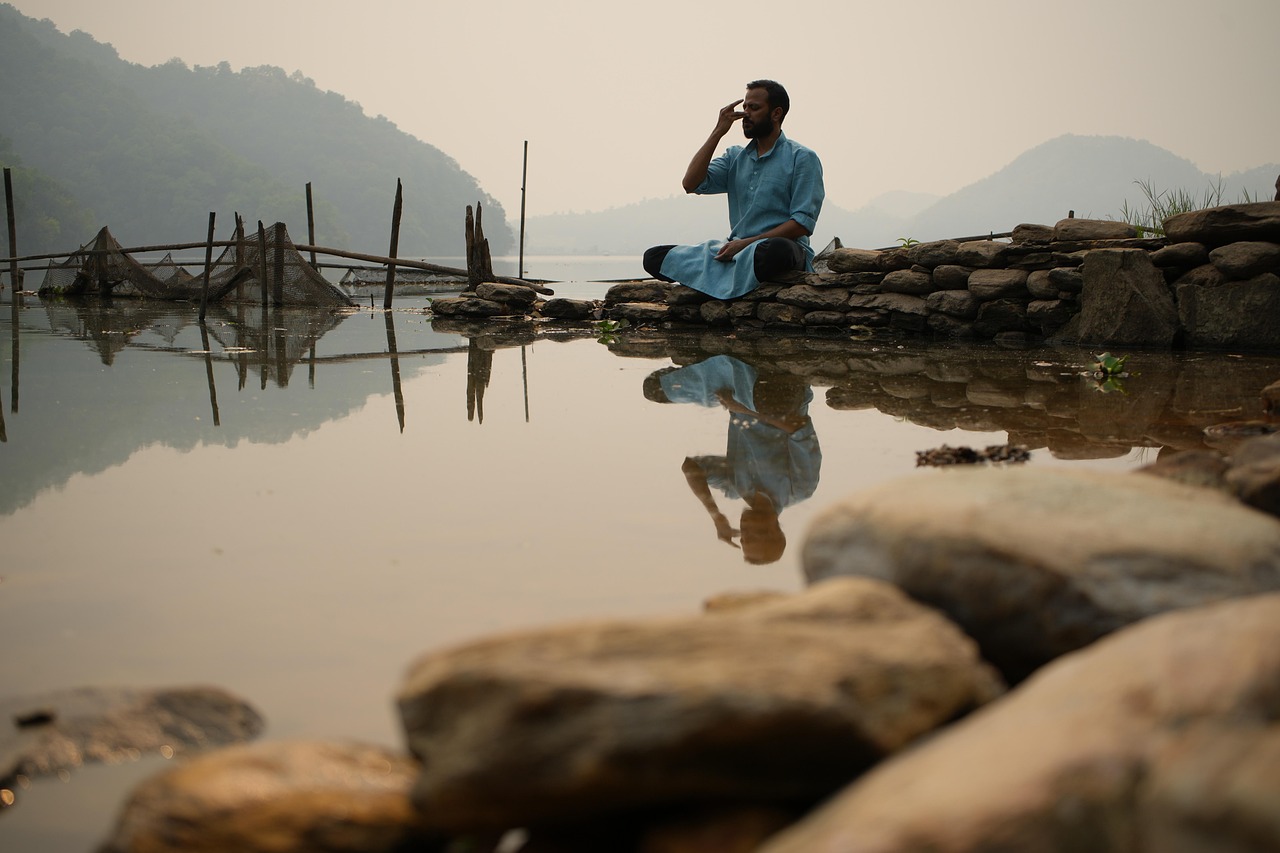
Within the realm of pranayama, various techniques exist, each with unique attributes and benefits tailored to diverse needs. Ujjayi, often referred to as ‘victorious breath,’ involves a slight constriction of the throat while inhaling and exhaling, creating a soft sound. This practice fosters focus and aids in meditation, stabilizing the mind. Kapalabhati, known as the ‘skull-shining breath,’ entails rapid, forceful exhales followed by passive inhales. By stimulating the abdominal muscles, this technique purifies the system and increases vitality. Nadi Shodhana, or ‘alternate nostril breathing,’ harmonizes the body and mind by balancing both right and left energy channels. This technique promotes relaxation and mental clarity, making it popular among practitioners before meditation. Bhramari, or ‘humming bee breath,’ involves producing a humming sound during exhalation. This resonates through the body, promoting tranquility and relieving tension. Each technique can be easily adapted to fit individual lifestyles, allowing practitioners to choose one that resonates with their intentions. Discovering the various pranayama techniques can deepen one’s connection and enhance the overall practice, contributing to greater well-being.
When attempting pranayama, it’s vital to create an environment that supports relaxation and focus. Begin by finding a quiet space where distractions are minimal. Comfort plays a significant role, so choose a seated position that enhances ease of breathing—consider using cushions or bolsters to support the body. Inhale deeply, filling the lungs, and exhale slowly to ease into the practice. Establishing a regular routine can significantly increase the benefits of pranayama. Start with short sessions, gradually extending practice duration as comfort and familiarity grow. Listening to the body is essential; if any discomfort arises, modify the technique or rest. Engaging with knowledgeable instructors, whether in person or through online platforms, can offer valuable insights and encouragement, ensuring proper technique and enhancing the overall experience. Journaling sensations or emotions felt during practice can foster deeper self-reflection and growth. Incorporating pranayama into daily life encourages mindfulness, which can positively affect stress management and emotional resilience. As you explore this enriching journey, remember that consistency is key to experiencing profound transformations over time, ultimately yielding a more balanced and insightful existence.
Integrating Pranayama into Daily Life
Incorporating pranayama into daily life can be both simple and rewarding. It can begin with just a few minutes each day, gradually becoming a cherished habit. Those new to the practice might choose early mornings to set a positive tone for the day. Alternatively, practicing in the evening can facilitate relaxation and prepare the body for restful sleep. Timing can be adjusted based on personal schedules, as pranayama can be practiced virtually anywhere—at home, in the office, or even during breaks. Setting reminders or specific times for practice can help maintain consistency. Engaging with a community, whether through classes, workshops, or online forums, can also enhance motivation and accountability. Moreover, technology offers tools and applications specifically designed to guide users through breathwork sessions. These resources can simplify the practice and encourage daily engagement. As practitioners explore different techniques, specific goals can guide their journey. Whether seeking to manage anxiety, improve focus, or enhance overall well-being, pranayama can evolve alongside personal aspirations, creating a nourishing path towards holistic health.
The practical applications of pranayama extend to various life aspects, from physical health to emotional stability and mental clarity. Incorporating breathwork techniques not only boosts energy levels but can also enhance athletic performance. Athletes and fitness enthusiasts have increasingly turned to pranayama to optimize lung capacity and improve stamina. The focus on breathing helps regulate heart rates, increasing endurance during physical activities. Furthermore, the relaxation response activated by pranayama can significantly decrease stress levels and anxiety, allowing for enhanced mental resilience. By fostering self-awareness through breath, individuals can better respond to challenges with composure and clarity. Moreover, employers and organizations that incorporate pranayama workshops into wellness programs note increased employee satisfaction and productivity. As awareness continues to grow, so does the understanding of pranayama’s profound influence on well-being. Its timeless wisdom resonates with contemporary life, offering accessible tools for achieving balance amidst chaos. As communities embrace these practices, collective healing can flourish, leading to enhanced life satisfaction and emotional growth. Ultimately, pranayama cultivates mindfulness, transforming the quality of personal experiences while enriching relationships with others.
In conclusion, pranayama is a powerful ancient practice offering modern wellness solutions. Its ability to enhance physical health, emotional balance, and mental clarity can transform daily living. By harnessing breath control, individuals are empowered to navigate life’s challenges with greater ease. Understanding various techniques can help practitioners find methods best suited to their unique journeys. Commitment to regular practice can yield long-term benefits, creating profound shifts in awareness and emotional response. As interest in holistic wellness increases globally, the timeless teachings of pranayama continue to inspire countless individuals seeking healthier lifestyles. By weaving breathwork into daily routines, practitioners open gateways to improved self-awareness and greater connectivity to the present moment. Encouraging mindfulness fosters calm and cultivated perspectives in a bustling world. Numerous resources are available for those seeking guidance, from workshops to online platforms, making this ancient wisdom more accessible than ever in our modern lives. For anyone interested in exploring holistic practices, pranayama serves as a significant foundation. Embracing these techniques can lead to deeper personal journeys, illuminating pathways toward well-being and self-discovery.
As we embark on this journey of exploration, let us be mindful that the practice of pranayama isn’t merely a set of techniques; it’s a way of life meant to enhance our daily experiences. The core philosophy encourages respectful awareness of our breath and its profound connection to our mental state. Implementing just a few minutes each day can make all the difference in how we perceive and respond to the world around us. Every inhale brings in life-giving energy, while every exhale releases what no longer serves us. This harmonious interplay fosters resilience within modern challenges, proving that ancient wisdom has immediate relevance in contemporary contexts. In a society often characterized by hurriedness, embracing pranayama nurtures a sense of stillness and grounding. The benefits of this integrated practice extend beyond the individual, creating ripples that positively influence entire communities. As we collectively breathe together, awareness grows, leading to enriched connections with ourselves and with others. Pranayama, therefore, aligns with the quest for both personal wellness and societal harmony, paving the way for a conscious way of living that embraces fullness in each breath.