
Rowing Position Strategies for Winning Races
Rowing is a sport that demands precision, teamwork, and strategic positioning. The distribution of roles among the crew is crucial to the outcome of races, influencing the boat’s speed, stability, and maneuverability. Each position plays a vital role; understanding these roles can lead to optimal performance in competitions. The rower’s responsibilities differ greatly, with some focusing on power and others on technique. For instance, the stroke seat leads the rhythm, while the bow seat maintains balance. It’s essential for teams to communicate effectively, ensuring that all rowers are synchronized. This harmony can be advantageous when challenging competitor crews. Additionally, a clear strategy for each rowing position allows the crew to capitalize on their strengths and mitigate weaknesses. Teams must analyze their performance data regularly to refine their techniques and strategies. Training regimes tailored to each position can enhance crew efficiency. Coaches should prioritize developing a cohesive strategy that allows every rower to perform at their best. Proper nutrition, physical conditioning, and mental preparation also contribute to achieving peak performance in races.
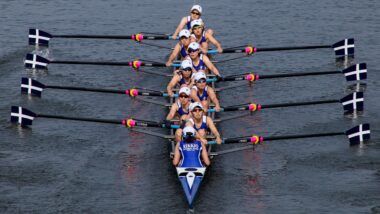
The science of rowing positions involves understanding the dynamics of weight distribution and balance. The arrangement of rowers in a boat not only affects speed but also stability during races. Typically, rowers are positioned based on their strength, technique, and experience. In an eight-person crew, the configuration may include four sweeps and four sculls. Sweeps allow rowers to use one oar, while sculling involves two oars per rower, enabling versatility in maneuvering. Understanding the nuances of each role helps in strategizing for different race conditions. Weather and water currents can significantly impact the effectiveness of each rower. Regularly reviewing race footage aids in determining which positions require adjustments. Communication also plays a critical role; rowers must consistently relay their status, ensuring the crew functions seamlessly under stress. Establishing clear signals and cues minimizes misunderstandings during competition. A strong coxswain is crucial in this regard, as they direct the crew and make split-second calls that can alter race outcomes. Furthermore, building a supportive team environment encourages rower growth and confidence, fostering overall crew improvement over time.
Adapting to Different Race Conditions
Adapting rowing strategies according to race conditions is essential for success. Weather changes, such as wind and rain, can dramatically alter water dynamics, impacting boat speed and handling. Rowing positions must adjust to account for these factors, ensuring optimal performance, regardless of the conditions. Understanding how waves interact with the boat can guide rowers in adapting their techniques. Strong winds may require rowers to modify their posture and stroke length to maintain stability. Moreover, weaving through competitors or approaching buoys necessitates a keen understanding of water and position dynamics. Each rower’s proficiency is put to the test during these moments, and regular practice in varying conditions can enhance adaptability. Coaches should simulate different weather scenarios during training, exposing rowers to potential challenges in an actual race. Positioning strategies must include contingency plans that allow for quick adjustments. Even the coxswain’s directives may shift, depending on environmental cues. Thus, fostering resilience and flexibility within the crew is vital. Ultimately, preparing for unpredictable elements can distinguish successful crews from others in competitive rowing.
Rowing positions and roles differ significantly according to crew composition. The dynamics of a four-person crew will differ from that of an eight-person crew, requiring varied strategies. In a smaller crew, rowers may need to possess versatile skills, handling multiple roles as both rowers and steers. This demands comprehensive understanding and adaptability. Team members must cooperate closely for superior synchronization, especially since fewer rowers may impact stroke timing and power distribution. Regular drills focusing on team communication will enhance cohesion, ensuring that everyone works as one unit. Furthermore, team strategies also account for each position’s unique strengths and weaknesses, allowing for informed adjustments. Specific drills can be used to refine individual skills while fostering collaboration. Coaches should consider rotating rowers through different positions during practice to develop a broader skill set. This rotation also monetarily impacts race strategies, allowing crews to deploy rowers in the optimal positions. Understanding each rower’s capabilities can significantly impact overall performance and outcomes. A methodical approach to training and strategy formulation can ultimately shape a crew’s competitive edge.
The Importance of Coxswain Leadership
The coxswain plays a crucial leadership role in any rowing team, guiding both strategy and coordination during races. Positioned at the back of the boat, the coxswain holds a unique vantage point, enabling them to observe both crew performance and competition. It’s vital for the coxswain to understand each crew member’s strengths and weaknesses to optimize race strategies effectively. The leadership skills of the coxswain can inspire confidence and morale within the rowers, especially during challenging moments in races. Clear and assertive communication is essential for maintaining direction, ensuring that rowers perform synchronously and efficiently. Training sessions should include developing coxswain skills, focusing on decision-making and strategizing based on crew capabilities. Moreover, fostering a good rapport between the coxswain and the rowers promotes a supportive environment. Each crew member should feel valued and confident in sharing insights. This mutual respect is pivotal for enhancing overall crew efficiency. Ultimately, a skilled coxswain can navigate the complexities of races, maximizing the crew’s potential to secure victories and achieve their best.
Analyzing previous race performances provides valuable insights into refining rowing position strategies. Post-race evaluations can identify which positions excelled and which require adjustments. Crews should review race footage together, initiating discussions regarding effective techniques and collaborative strategies. This analysis fosters a culture of continuous improvement, encouraging all crew members to engage in self-reflection. Identifying specific strengths and challenges can inform training regimens, emphasizing personalized growth opportunities for each rower. Understanding how different roles contribute to overall performance allows rowers to align their training goals with team objectives. Furthermore, utilizing data from races, such as physiological metrics, real-time rankings, and stroke rates, can yield substantial advantages when devising new tactics. Coaches should work with rowers to craft tailored strategies incorporating these insights into practice sessions and headings. Regularly scheduling data reviews enhances adaptability and competitiveness. Additionally, developing a shared database of results enables crews to track progress systematically. This data-driven approach encourages accountability and communal goal-setting, fostering a stronger sense of belonging within the team. Ultimately, committing to thorough race analysis can cultivate an agile and responsive rowing crew, prepared for any challenge.
Conclusion: The Road to Victory
Reaching victory in rowing requires meticulous strategy development, adaptability, and seamless teamwork. Each crew member must understand their role’s significance within the grander scheme and how it intertwines with the entire crew’s dynamics. Building a strong foundation in rowing tactics can significantly influence performance outcomes during races. Training with varied drills tailored to specific roles optimizes overall crew efficiency. Mastery of skills, coupled with effective communication, fosters a healthy team culture. Regular evaluations of races and collective reflections will always yield fruitful insights, helping to identify areas for growth and opportunity. Creating a collaborative atmosphere encourages shared accountability, driving each member to improve continuously. As crews prepare for upcoming competitions, maintaining a flexible approach ensures readiness for unexpected challenges. Ultimately, it’s the commitment to excellence, strategy refinement, and understanding of each positioning role that propel crews toward their goals. Continuous learning and improvement can cultivate a resilient, competitive rowing team, capable of claiming victory in various racing environments. Success is a journey; through each race, teams must evolve, adapt, and strive to achieve their best performance consistently.
Rowing is a sport that demands precision, teamwork, and strategic positioning. The distribution of roles among the crew is crucial to the outcome of races, influencing the boat’s speed, stability, and maneuverability. Each position plays a vital role; understanding these roles can lead to optimal performance in competitions. The rower’s responsibilities differ greatly, with some focusing on power and others on technique. For instance, the stroke seat leads the rhythm, while the bow seat maintains balance. It’s essential for teams to communicate effectively, ensuring that all rowers are synchronized. This harmony can be advantageous when challenging competitor crews. Additionally, a clear strategy for each rowing position allows the crew to capitalize on their strengths and mitigate weaknesses. Teams must analyze their performance data regularly to refine their techniques and strategies. Training regimes tailored to each position can enhance crew efficiency. Coaches should prioritize developing a cohesive strategy that allows every rower to perform at their best. Proper nutrition, physical conditioning, and mental preparation also contribute to achieving peak performance in races.