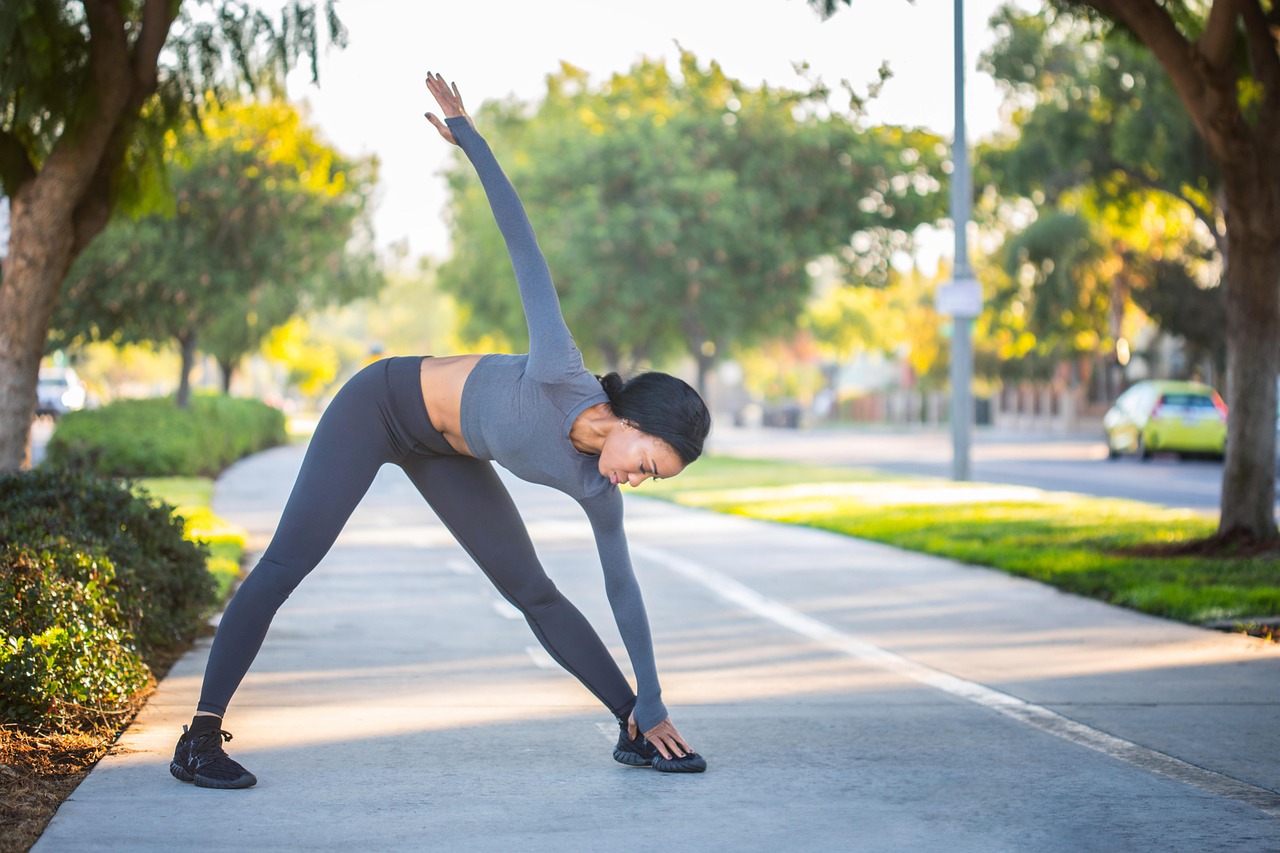

Safe Exercise Practices for Young Athletes
For young athletes, engaging in physical activity offers numerous benefits, but it is essential to prioritize safety during exercise. Parents and coaches should focus on the development of proper techniques and encourage gradual progression to prevent injuries. This includes a thorough warm-up routine consisting of dynamic stretches that prepare the muscles and joints for activity. Additionally, hydration plays a critical role in maintaining peak performance and avoiding dehydration. Adequate water intake should be emphasized before, during, and after training sessions. Always monitor the intensity of workouts, ensuring that it is suitable for the athlete’s age and level of fitness. A well-structured training plan incorporating rest days is crucial to allow young bodies to recover. It’s important to educate young athletes on recognizing signs of fatigue and soreness, encouraging them to communicate these feelings to coaches. Regular check-ins with healthcare professionals can also help manage any pre-existing conditions. Lastly, fostering a supportive environment where the focus is on enjoyment rather than competition can significantly enhance young athletes’ overall experience in sports.
Tailoring workouts to each individual athlete’s capabilities enhances safety and effectiveness. This personal approach allows trainers to assess skills, strengths, and weaknesses thoroughly. Customizing programs ensures the physical demands align appropriately with the athlete’s maturity and physical development stage. Providing adequate time for recovery between sessions is vital, as young athletes may experience varying levels of fatigue. Ensuring at least one rest day per week can help mitigate burnout and injuries. Incorporate variability in training activities; athletes benefit from engaging in diverse sports and exercises. This approach not only prevents overuse injuries but also promotes overall athleticism. Additionally, ensuring that young athletes utilize the correct equipment is paramount. Proper footwear can significantly reduce the risk of injuries related to falls and ankle sprains. Coaches should frequently review safety guidelines and equipment usage with their teams, instilling a habit of mindfulness. Continuous education on injury prevention methods, such as appropriate techniques for sports specific to each athlete, also adds value. Healthy nutritional habits should concurrently be encouraged as they play a vital role in recovery and performance enhancements over time.
Establishing a Supportive Environment
A supportive environment encourages young athletes to maintain enthusiasm for their chosen sports. Fostering open communication among parents, coaches, and athletes is essential. This transparency helps address concerns regarding training intensity and physical limits. Furthermore, celebrating personal achievements, regardless of competition outcomes, empowers young athletes. Recognition and positive reinforcement encourage perseverance and dedication. Encourage participation in other activities, such as camps or clinics, which can provide additional learning opportunities. Seeking mentorship from experienced athletes can significantly impact young athletes’ perspectives on their sports journey. Initiating discussions about goals, ambitions, and experiences with peers may enhance their understanding of both physical and mental aspects of sports. Moreover, ensuring that training practices emphasize fun and friendship will motivate athletes to pursue excellence in a healthier manner. Encouraging teamwork and collaboration during practices can further solidify bonds among participants. Ultimately, providing an environment that prioritizes wellness and enjoyment equips young athletes to develop resilience, self-confidence, and life skills. These attributes will serve them well both in and out of sports.
Strength training for young athletes must be approached with caution, emphasizing correct form and light weights. It’s essential that young athletes are supervised by knowledgeable coaches who understand age-appropriate exercises. They should focus on bodyweight movements before integrating weights into their routines. Exercises like squats, lunges, push-ups, and planks develop core stability and strength safely. Additionally, incorporating flexibility training into their regimen enhances overall performance and mitigates injury risks. Teaching young athletes about the significance of stretching before and after workouts can improve flexibility and muscle recovery. Educating them on lifting techniques, such as the importance of engaging core muscles and maintaining proper posture, will foster safe practices. Consistent assessment of their progress with regular feedback reinforces positive development. Athletes should also be encouraged to set personal goals, which builds motivation and self-accountability. Preventing injuries remains a primary focus in designing training programs tailored for young athletes. Achieving balance in strength training, flexibility exercises, and endurance activities is essential for their development. Ultimately, fostering comprehensive fitness knowledge will equip young athletes for long-lasting participation in sports.
Understanding the Role of Coaches
Coaches play a pivotal role in establishing a culture of safety and health among young athletes. They must set clear expectations regarding training practices and emphasize the importance of injury prevention. Competency in recognizing signs of exhaustion and stress is crucial for any coach working with youth. Ensuring that training sessions begin with warm-ups and end with cool-downs and stretches reinforces healthy habits. Coaches should remain vigilant of the athletes’ performance and constantly evaluate each individual’s ability to handle training demands. Frequent communication with athletes promotes understanding and encourages them to express any discomfort. Coaches should also be trained in first aid and CPR, as preparedness can significantly impact response times in emergencies. Offering educational resources on nutrition and hydration encourages informed choices among young athletes. By serving as exemplars of healthy habits, coaches can inspire athletes to prioritize their well-being. Team-building exercises foster unity while enhancing interpersonal communication among athletes. Through open dialogue and support, coaches can create an environment where young athletes feel valued, motivated, and ready to reach their full potential.
The significance of mental health in young athletes cannot be overstated. Physical well-being is directly correlated with mental resilience, meaning a balanced approach must be adopted. Coaches, parents, and trainers should remain attentive to signs of anxiety and stress in their young athletes. Providing access to appropriate mental health resources enables athletes to address any emotional difficulties effectively. Encouraging mindfulness practices, such as meditation or yoga, can help young individuals develop coping mechanisms and improve focus. Additionally, fostering peer support groups allows athletes to share experiences and feelings openly. Regular reminder of the importance of mental health helps normalize discussions around the topics athletes encounter. Coaches should implement strategies for maintaining healthy mindsets during competitions, emphasizing self-acceptance rather than solely focusing on results. Creating an atmosphere where athletes feel comfortable discussing their emotions and experiences enhances their overall performance. Ultimately, promoting mental well-being alongside physical training forms a holistic approach that nurtures well-rounded athletes. Through an understanding that both dimensions are necessary, young athletes can reach higher levels of achievement and satisfaction.
Conclusion: Commitment to Safety
In conclusion, fostering a culture centered on safety is imperative for the development of young athletes. All stakeholders, including coaches, parents, and the athletes themselves, share the responsibility of creating a supportive, healthy environment. Emphasizing education on safe practices, injury prevention, and mental health strategies will enhance their experiences in sports. A commitment to celebrating personal growth and achievements promotes motivation and enthusiasm. Furthermore, encouraging diversification in physical activities ensures comprehensive athletic growth while minimizing injury risks. Ultimately, the overarching goal is to instill an appreciation for physical activity that lasts a lifetime. Prioritizing fun, fidelity toward training methods, and proper guidance will cultivate young athletes who thrive. By embedding safety protocols into every aspect of training and competition, lasting benefits emerge. These efforts yield athletes who not only excel on the field or court but also develop life skills that carry into adulthood. As we advocate for the welfare of our youth in sports, collectively promoting safe exercise practices builds a brighter future for young athletes, empowering them to explore their physical capabilities with confidence.
To further enhance their training regimens, engaging families in the conversation about safety and exercise practices is essential. Parents must understand the importance of proper nutrition and physical activity, as it reinforces the messages conveyed by coaches and trainers. Providing resources through workshops or informational materials can strengthen their knowledge. Encouraging parents to join in on training sessions promotes a community spirit and reinforces positive attitudes toward exercise. Celebrating achievements at home, such as improved fitness levels or skill development, plays a crucial role in boosting young athletes’ morale. Additionally, utilizing technology, such as fitness apps or tracking devices, allows families to monitor progress together; providing a platform for goal setting and accountability enhances motivation. Connecting families with each other promotes camaraderie and sharing of experiences, enhancing the support network for young athletes. Incorporating a family-oriented approach to training emphasizes the notion that physical fitness is an essential component of a healthy lifestyle. The foundational beliefs established at young ages create lifelong habits. With the commitment from families and communities, young athletes are empowered to pursue sports with passion while prioritizing their health and safety.