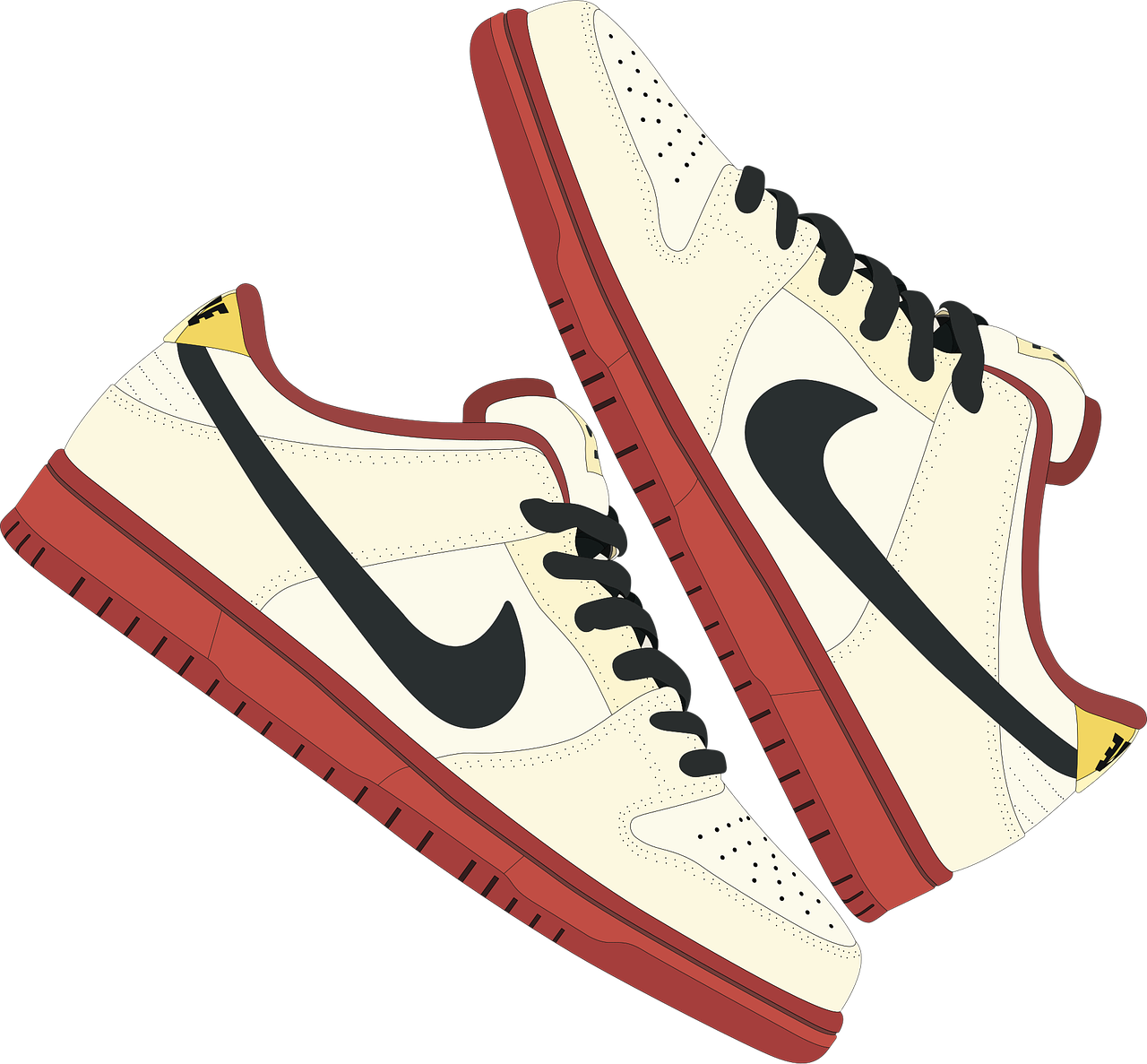

The Impact of Shoe Weight on Calisthenics Agility and Speed
Calisthenics, a form of bodyweight training, is gaining popularity due to its versatile and effective nature. Athletes often focus on improving agility and speed in their movements. One crucial aspect that influences performance in calisthenics is the weight of shoes worn during training. Lightweight shoes are generally preferred as they enhance agility, allowing athletes to maneuver with ease. Conversely, heavier shoes can hinder performance, leading to slower movements and reduced efficiency. Understanding the implications of shoe weight on agility is essential for athletes looking to optimize their workouts. The weight of footwear can influence the biomechanics of an exercise, affecting the necessary energy expenditure. Many athletes inadvertently choose heavier shoes without considering how it may impact their speed and overall performance. Therefore, an optimal balance must be found between support and weight. A well-designed shoe should provide the necessary grounding and traction without adding unnecessary weight. This balance allows for maximal performance while ensuring the athlete remains comfortable and effective in their training. Ultimately, the right choice of footwear could be a game-changer for improving agility in calisthenics.
The implications of shoe weight extend beyond mere agility into overall performance during workouts. Heavier shoes can increase fatigue, significantly impacting an athlete’s endurance and resilience during prolonged sessions. Calisthenics often involves repeated movements of various intensities. As athletes tire, every bit of extra weight becomes more pronounced. Lightweight shoes can alleviate the burden, providing comfort and support. Furthermore, lighter footwear can enhance proprioceptive feedback, allowing for better balance and control during dynamic movements. This feedback mechanism is essential when performing complex calisthenics routines that require precision. Enhanced awareness of body positioning leads to improved performance outcomes, as athletes begin to refine their movements systematically. The right footwear can also prevent injuries. When shoes are bulky or heavy, they can limit natural foot movements. This restriction may lead to compensatory patterns that place stress on joints and muscles. Keeping shoe weight minimal while ensuring the shoe’s design supports the natural form of movement is essential. Athletes should choose footwear designed specifically for the rigors of calisthenics, considering all relevant factors, including weight, support, and flexibility to maximize their training potential.
Choosing the Right Calisthenics Shoes
When selecting shoes for calisthenics, weight is not the only aspect to consider. Athletes should also evaluate the materials used in shoemaking, as they directly impact agility and performance. Breathability, for instance, is crucial, especially during high-intensity workouts. Shoes crafted from lightweight, breathable materials help regulate foot temperature. This feature reduces sweat buildup, ultimately enhancing comfort. In addition to lightweight components, the shoe’s tread pattern plays a vital role in performance. Shoes with an appropriate grip ensure that athletes can execute movements without slipping or losing their footing. The right traction allows for fluid transitions between exercises without sacrificing stability on various surfaces. Another critical factor for athletes is the shoe’s fit. A snug, comfortable fit can prevent blisters and discomfort during intense workouts. Shoes that are too loose can impair agility, as they may cause the foot to shift within the shoe. Calisthenics practitioners should prioritize a shoe that adequately supports their foot’s anatomy. Conducting proper research and testing various options will ultimately lead to the best shoe choice tailored to individual needs.
Furthermore, the type of calisthenics exercises performed can dictate the ideal shoes to wear during training. Exercises like handstands and dynamic movements place unique demands on footwear. In such cases, shoes that are both lightweight and flexible allow for freedom of movement. Flexibility in the shoe’s sole can facilitate greater range of motion during explosive movements. This ability to flex enhances overall performance as athletes can execute maneuvers more effectively. Conversely, while training requires agility, some athletes may need shoes to offer slight cushioning, especially if performing on hard surfaces. A shoe that balances cushioning while remaining lightweight can optimize performance without adding unnecessary weight. Additionally, athletes must consider their own foot structure and any pre-existing conditions when choosing appropriate footwear. Arch support may be essential for some, while others may prefer minimalistic designs to promote foot strength. Personal preferences and biomechanics are crucial when selecting shoes tailored to calisthenics. Shoes designed specifically for bodyweight training can enhance an athlete’s performance, allowing them to reach their potential.
Performance Impact of Shoe Weight in Training
The performance differences experienced by athletes wearing lighter versus heavier footwear are striking. Studies suggest that an optimal range of shoe weight is critical in maximizing agility and speed during intense training sessions. Calisthenics requires explosive movements and rapid transitions, which necessitate footwear that does not impede performance metrics. Athletes often report feeling faster and more agile while training in lighter shoes, attributing this improvement to reduced energy expenditure. These insights should encourage clients to reevaluate their training gear choices. Tracking performance while transitioning from heavier to lightweight shoes often yields impressive results, showcasing enhanced workout efficiencies. Moreover, athlete perceptions of footwear weight vary widely based on personal experiences and training styles. Exploring various options and soliciting feedback from fellow athletes can offer valuable insights. As building endurance and speed is paramount in calisthenics, making informed choices about footwear weight could serve as a transformational aspect of training programs. Ultimately, athletes may find that investing time in footwear selection vastly improves their training outcomes, leading to the development of agility and efficiency in bodyweight disciplines.
Another aspect to consider in the pursuit of optimal footwear involves the consideration of lifestyle impact. Dedicated athletes often train multiple days a week and may benefit from having multiple pairs of shoes at their disposal. Rotating shoes increases their longevity while allowing an athlete to find the perfect fit for each workout. When seeking a balance between performance and durability, lightweight shoes often excel in offering the required support without breaking down after repeated use. This durability ensures that athletes can maintain their training regimens without experiencing shoe-related setbacks. Additionally, investing in versatile footwear that suits various workout scenarios allows athletes greater flexibility in their practices. With consistent wear, athletes also become accustomed to the feel of lighter shoes over time. This acclimatization can potentially enhance natural movement patterns and contribute to overall efficiency. Such gradual changes emphasize the importance of thoughtful selections regarding training shoes. Therefore, it’s essential for committed athletes to explore their options and discover the footwear that not only enhances agility but also aligns with their individual training philosophies and preferences.
Conclusion: The Choice of Calisthenics Footwear
In conclusion, the impact of shoe weight on agility and speed is significant for practitioners of calisthenics. Athletes who prioritize lightweight footwear may notice marked improvements in their training abilities. Through thoughtful evaluation of performance needs, athletes can make informed choices about their calisthenics shoes. The right footwear not only enhances agile performance but also supports an athlete’s overall well-being. Athletic footwear options should be explored to ensure they meet personal preferences, biomechanical needs, and training styles effectively. Comfort, flexibility, and weight are paramount in developing a winning combination for optimal performance. Athletes must consider their specific training routines, surfaces, and exercises while selecting footwear to maximize benefits. Ultimately, the right shoe contributes to a more enjoyable and effective training experience. New advancements in shoemaking technology and design continually reshape the market as athletes demand more refined options. By remaining informed and proactive about shoe selection, calisthenics practitioners can elevate their performance and achieve their fitness goals. As agility and speed form the foundation of successful bodyweight training, a wise footwear choice will yield astonishing results in calisthenics workouts.
Lastly, the growing awareness of the relationship between shoe weight and athletic performance has prompted a shift in the calisthenics community. More athletes are sharing their experiences with specific footwear brands and models. Online reviews and community discussions help fellow practitioners make informed decisions about their footwear. Recommendations from experienced athletes can guide novices towards the most effective shoes tailored for calisthenics training. This collaborative spirit fosters a sense of community, emphasizing shared improvement among athletes. By exchanging insights and tips, practitioners collectively enhance their training experiences, establishing a highly informed athlete community. Additionally, personal testimonials about shoe performance can influence standard practices within the calisthenics culture, leading to a more profound understanding of footwear’s role. As the market trends evolve, so does the commitment to equipping athletes with the knowledge necessary for selection. Therefore, engaging with community resources while remaining open to experimentation will support athletes’ journeys. Ultimately, the collective goal remains clear: achieving greater agility, speed, and effectiveness in calisthenics performance through the careful selection of footwear.