
Cross-Training Strategies to Enhance Core Strength in Gymnasts
Enhancing core strength is essential for gymnasts, as a strong core plays a pivotal role in their overall performance. Core conditioning helps maintain balance, provides stability, and improves overall body control during routines. With competitive gymnastics constantly evolving, cross-training has emerged as an effective approach to build core strength, flexibility, and endurance. Engaging in various physical activities outside traditional gym training can offer significant benefits in this regard. Incorporating exercises from different sports not only aids performance but also counters monotony. A well-rounded fitness regime can enhance the versatility of a gymnast, making them adept at different skills.
This article aims to explore specific strategies and exercises that can enhance gymnasts’ core strength through cross-training practices. One effective method is participating in Pilates, a discipline focused on strengthening core muscles through controlled movements. Pilates emphasizes the connection between mind and body, improving postural alignment while enhancing flexibility. Additionally, using equipment like stability balls can further enhance training effectiveness. These exercises target essential stabilizer muscles, ensuring that gymnasts can maintain proper form during competitions. Furthermore, strength training with resistance bands can also be advantageous. Resistance bands provide variable resistance, allowing gymnasts to develop muscle power progressively without straining their joints.
Incorporating Functional Movements
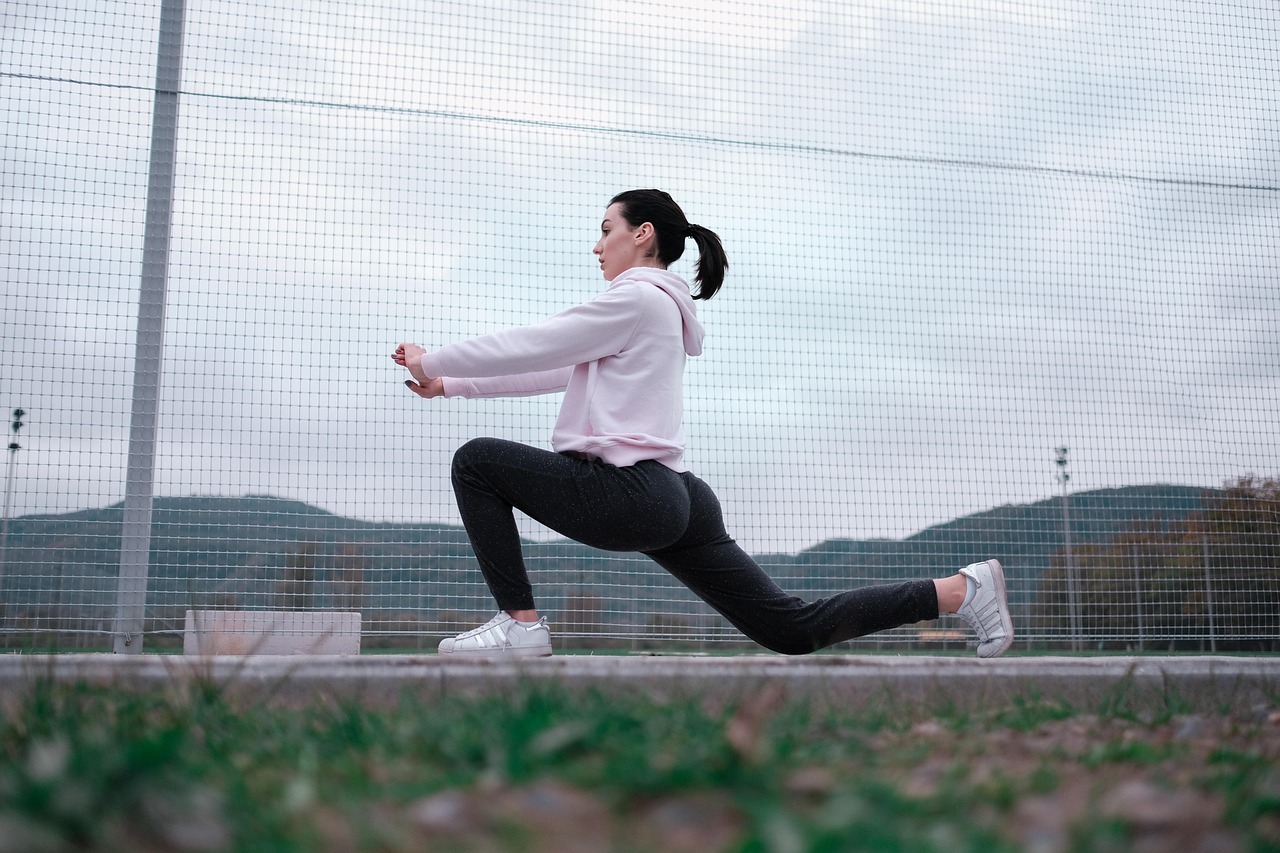
Integrating functional movement patterns into training can also be an effective strategy for core conditioning. Movements such as squats, lunges, and overhead presses engage the core while building strength in the lower body and arms. By practicing these exercises, gymnasts can enhance their functional fitness, which directly translates to improved performance on apparatuses. These activities promote neuromuscular coordination, beneficial for complex gymnastic elements. Additionally, incorporating balance exercises using unstable surfaces, such as Bosu balls, can challenge core stability further during workouts. A strong foundation built from these functional movements makes gymnasts more resilient against injuries and enhances overall athletic performance.
Cross-training isn’t exclusively about strength; cardiovascular fitness plays a crucial role in a gymnast’s training regimen. Engaging in activities such as swimming and cycling can boost cardiovascular endurance while simultaneously benefiting core strength. Swimming, particularly, involved multiple strokes that require a strong core to maintain streamlined movement through the water. This aerobic component not only aids in recovery between training sessions but also enhances stamina during performances. Integrating various cross-training workouts effectively prepares gymnasts for the physical demands of their sport while reducing the risk of overuse injuries, leading to more efficient training in the long run.
The Role of Flexibility
Furthermore, flexibility is an integral aspect of core conditioning that should not be ignored. Stretching routines, including yoga, can greatly enhance a gymnast’s range of motion while benefiting core strength. Many yoga poses target the core while improving overall body awareness. Engaging in such practices promotes relaxation, allowing gymnasts to recover mentally and physically from intense training sessions. Emphasizing stretching routines in cross-training programs creates a balanced regimen focusing equally on strength, flexibility, and endurance, essential components for success in gymnastics. Moreover, participating in dance classes can also enhance coordination and flexibility while having fun.
Recovery practices are equally vital to enhancing core strength among gymnasts. Adequate recovery allows the body to repair and strengthen after rigorous training sessions. Incorporating foam rolling and mobility exercises into workouts helps alleviate muscle tightness and reduces injury risks. The focus should be on rolling out the core muscles, which can lead to better performance during future training. Additionally, proper hydration and nutrition contribute to optimal energy levels and muscle recovery. If gymnasts combine these strategies with consistent core-specific workouts, they will experience enhanced results in their performance. Proper rest days provide opportunities for regeneration, allowing progress in subsequent training sessions.
Measuring Progress
It is crucial to monitor progress regularly to ensure that core conditioning strategies are effective. Implementing various assessments allows gymnasts and coaches to recognize strengths and areas for improvement. Core strength can be measured through stability tests, such as planks and medicine ball throws. These functional tests help gauge how effectively gymnasts utilize their core muscles during training or competition. Furthermore, documenting performance in their routines can help gymnasts understand how their core conditioning efforts translate to improved execution. By setting concrete goals and assessing progress periodically, gymnasts can keep track of their development and adapt their training as needed.
In conclusion, implementing cross-training strategies for core conditioning can greatly benefit gymnasts. Incorporating various exercises from disciplines like Pilates, swimming, and yoga enhances their physical condition. Functional movements boost strength while flexibility promotes injury prevention. Regular assessments ensure that progress is on track, allowing adjustments to enhance training efficacy. As gymnasts progressively develop their core strength and overall athletic performance, responsiveness to their training regimen becomes paramount. This holistic approach allows gymnasts to discover their full potential, elevating their performance capabilities in competitions. Emphasizing the importance of core strength through cross-training can create a well-rounded athlete prepared to excel in gymnastics.