
Developing Fine and Gross Motor Skills for Better Coordination in Children with Disabilities
As children with disabilities grow, developing fine and gross motor skills is essential for enhancing their overall coordination. Fine motor skills involve the use of smaller muscles in hands and fingers, crucial in activities like writing, drawing, and manipulating small objects. In contrast, gross motor skills engage larger muscle groups, enabling mobility and physical activities, such as walking, jumping, and climbing. To promote these skills effectively, caregivers and educators should adopt a multi-faceted approach by integrating engaging, hands-on activities tailored to individual needs. Emphasizing play-based learning fosters active participation, encouraging children to practice and refine their coordination abilities. Simple yet impactful exercises can help build muscle strength and improve balance. Activities such as throwing and catching balls, balancing on beams, or participating in group games not only develop motor skills but also nurture social interactions. To create a supportive environment, parents can collaborate with occupational and physical therapists, who specialize in designing customized strategies to meet specific challenges faced by children with disabilities. Building a foundation of motor skills empowers children to pursue everyday activities confidently, contributing to their sense of independence and accomplishment.
Incorporating daily routines with opportunities for movement is vital for children with disabilities. Structured physical activities should be integrated into their everyday lives to make the process natural rather than forced. Encourage simple tasks, such as reaching for toys, engaging in dance, or participating in obstacle courses, as these activities can greatly aid in developing gross motor skills. In addition, providing various materials that facilitate fine motor practice is beneficial for hand-eye coordination. Items like beads for threading, clay for molding, or finger paints can stimulate creativity while strengthening the hand muscles necessary for writing and other tasks. Moreover, it’s essential to ensure that the activities are enjoyable and cater to the child’s preferences to maintain their interest. Adaptive tools and toys designed with accessibility in mind can also play a significant role. These tools allow children with disabilities to engage in the same activities as their peers, promoting inclusion. By fostering an environment that values movement, caregivers can empower children, providing them with the confidence to participate in both structured and unstructured activities while promoting social interactions with their peers.
Social Interaction and Team Sports
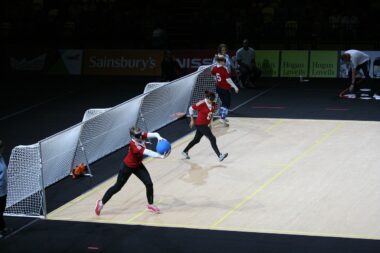
Participating in team sports can be incredibly beneficial for children with disabilities, as they not only develop motor skills but also foster social connections. Engaging in sports encourages teamwork, communication, and a sense of belonging among peers. When children engage in team sports, they learn to cooperate with others, understand the importance of strategy, and respect their teammates. The physical demands of team activities such as soccer, basketball, or adaptive versions provide the opportunity for children to practice gross motor skills in a fun and supportive environment. Furthermore, adaptive sports programs designed specifically for children with disabilities can help level the playing field. These programs focus on teaching skills at a pace suited to each child’s ability and ensuring that everyone is encouraged to participate and contribute. In addition, these social experiences can reduce feelings of isolation and promote positive mental health, leading to increased self-esteem for all participants. Outdoor games and community sports events can also be organized to give children a platform to showcase their abilities. Ultimately, by actively engaging in team sports, children can grow physically, socially, and emotionally.
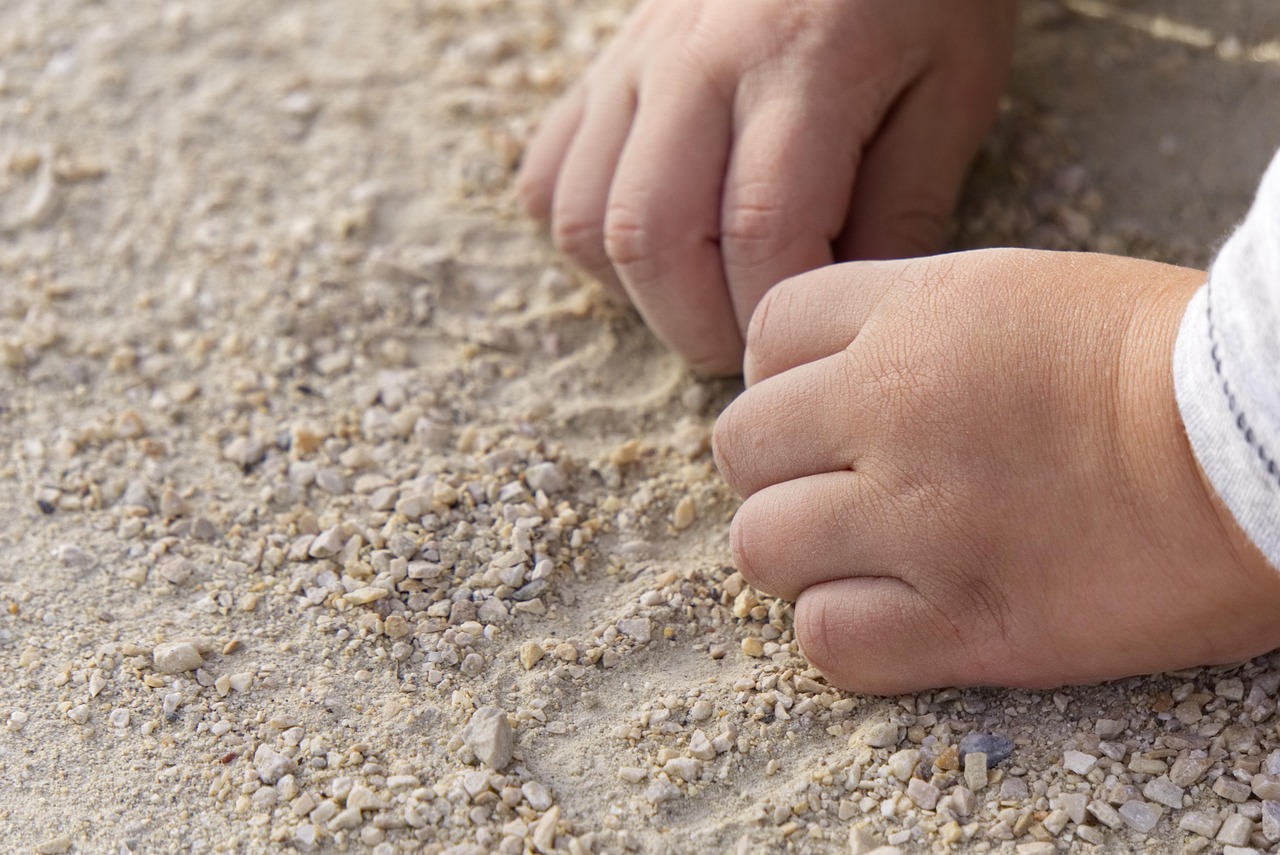
Fine motor skills development extends beyond simple activities; it includes therapeutic interventions that can significantly enhance coordination in children with disabilities. Occupational therapy utilizes techniques that focus on improving hand function through targeted exercises and adaptive strategies. Therapists can implement activities involving gripping, pinching, and twisting motions to build the necessary strength and coordination required for everyday tasks. Additionally, the use of software and technology can aid in practicing fine motor skills. This can include using tablets and interactive games designed to engage children while developing finger dexterity. Practicing tasks such as writing, drawing, or even using tools can make it an enjoyable and rewarding process. Connecting these skills to real-life scenarios ensures that children understand the purpose behind these activities. For instance, cooking or gardening can be excellent ways to practice fine motor skills while engaging in enjoyable family activities. The blend of physical and cognitive engagement through interdisciplinary approaches to skill development is crucial. Addressing these areas holistically encourages children to understand their capabilities while progressing towards enhanced coordination.
Creating a Supportive Environment
Effective coordination development requires dedication and creativity within home and educational settings. Establishing a supportive routine helps children with disabilities engage consistently in coordination-enhancing activities. Parents and educators must both encourage movement by providiung various opportunities for daily practice, fostering a positive attitude towards physical activities. A suitable environment often includes open spaces where children can move freely without obstacles, facilitating exploration. It is also beneficial to establish a routine involving regular breaks for physical activity during learning sessions. This can involve short outdoor games, active play, or stretching exercises which stimulate not only motor skills but cognitive engagement. Furthermore, integrating the element of fun plays a vital role in capturing children’s interest, therefore helping them push through challenges. Simple music sessions where movement is encouraged can also illuminate the importance of rhythm and timing. In fostering a positive atmosphere, caregivers can set realistic expectations and celebrate small successes. The more children enjoy their practice, the more motivated they become to engage in continued skill development, and a supportive environment greatly enhances their learning and growth.
Parent involvement is vital for promoting balance and coordination in children with disabilities. Parents play an integral role in reinforcing the skills taught during therapy and educational sessions. By participating in practice and reinforcing lessons at home, they can provide children with consistent opportunities to apply their knowledge. Moreover, parents should be encouraged to seek out community programs that provide tailored support for children with disabilities. Participating in local workshops or parent support groups can also yield valuable insights into effective strategies and methods to incorporate into daily routines. Working alongside experts like therapists can also be beneficial in gaining knowledge on proper techniques. These activities encourage a deeper connection between parents and children through shared experiences, enhancing trust and motivation. Additionally, parents can help children set achievable goals, empowering them to take ownership of their progress. Acknowledging and celebrating accomplishments, no matter how small, allows children to develop a positive self-image. Furthermore, by becoming involved in advocacy for access to adaptive resources and inclusive activities, parents can champion for their child’s needs while strengthening their whole family’s ties within the community.
Conclusion
In conclusion, focusing on developing fine and gross motor skills in children with disabilities is crucial for promoting balance and coordination. By integrating diverse activities into daily routines and facilitating access to supportive environments, caregivers can nurture children’s physical abilities. Emphasis on enjoyable practices makes it easier for children to engage with these activities consistently over time, ultimately fostering a love for movement. Team sports, adaptive programs, and therapeutic interventions all contribute positively to a child’s development. Additionally, the involvement of parents creates an enduring support system that nurtures confidence and independence in children. As children grow and develop these essential skills, they not only improve their physical capabilities but also enhance their social interactions. This combination leads to an overall improved quality of life for children with disabilities. As a community, we must work together to advocate for inclusive opportunities, ensuring every child has access to resources that promote their full potential. Collaboration among parents, educators, and therapists is key to building a foundation that empowers children and enriches their abilities. Advocating for adaptive practices expands upon what children can achieve and paves the way for a brighter future.
Incorporating daily routines with opportunities for movement is vital for children with disabilities. Structured physical activities should be integrated into their everyday lives to make the process natural rather than forced. Encourage simple tasks, such as reaching for toys, engaging in dance, or participating in obstacle courses, as these activities can greatly aid in developing gross motor skills. In addition, providing various materials that facilitate fine motor practice is beneficial for hand-eye coordination. Items like beads for threading, clay for molding, or finger paints can stimulate creativity while strengthening the hand muscles necessary for writing and other tasks. Moreover, it’s essential to ensure that the activities are enjoyable and cater to the child’s preferences to maintain their interest. Adaptive tools and toys designed with accessibility in mind can also play a significant role. These tools allow children with disabilities to engage in the same activities as their peers, promoting inclusion. By fostering an environment that values movement, caregivers can empower children, providing them with the confidence to participate in both structured and unstructured activities while promoting social interactions with their peers.