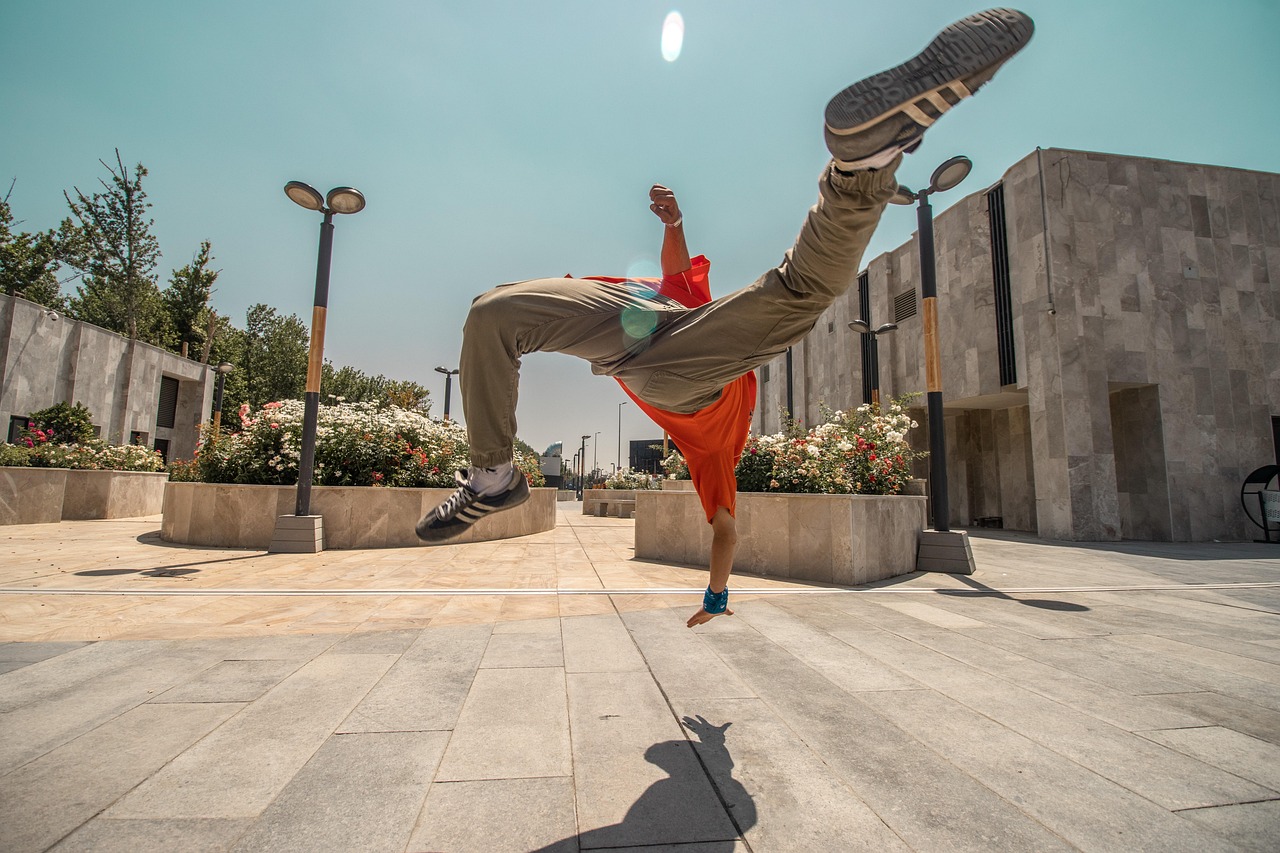

Dynamic Warm-Ups for Enhanced Parkour Performance
Dynamic warm-ups are essential for any parkour practitioner. Properly performed dynamic stretches prepare your body for the intense movements required in parkour. Dynamic stretching involves moving through a range of motion to increase blood flow, improve flexibility, and enhance mobility. As you engage in various warm-up exercises, focus on targeting major muscle groups like your legs, arms, and core. Common dynamic stretches include leg swings, torso twists, and high knees. These movements not only help in warming up the muscles but also in enhancing overall performance. Ensure that your body is adequately energized before starting your work on specific parkour skills. An effective warm-up routine helps prevent injuries, increases your endurance, and improves your ability to perform challenging movements. Additionally, incorporating footwork drills and agility exercises into your warm-up can significantly enhance your parkour skills. As you progress, adjust the intensity and complexity of your warm-up according to your abilities and skill level. By establishing a consistent warm-up routine, you will certainly see improvements in your overall parkour performance, allowing you to tackle even greater challenges with confidence.
Before diving into the specifics of dynamic warm-ups, it is crucial to acknowledge the importance of consistency. Practicing dynamic warm-ups consistently yields the best results for parkour performance. Consistent warm-up routines help you develop a better understanding of your body’s limitations and strengths. Doing the same warm-up over time helps you track your flexibility improvements and muscle readiness. Moreover, a well-structured warm-up can also act as a mental preparation phase. Visualizing your movements during warm-ups can enhance your focus and clarity. Use this time to mentally prepare for the challenges ahead in your parkour practice. A few recommended dynamic warm-up exercises are arm circles, lateral lunges, and skipping. These actions engage multiple muscle groups, allowing for greater movement efficiency when performing complex maneuvers in parkour. Furthermore, consider the duration of your warm-up; ideally, it should last between 10 to 15 minutes to fully reap the benefits. When warming up, listen to your body and adjust the exercises as needed. Finally, advocate for the importance of including a cool-down phase post-practice to promote recovery and prevent tightness.
Essential Dynamic Stretching Techniques
In addition to the basic dynamic stretches, there are several essential techniques that specifically benefit parkour athletes. These include walking lunges, spider lunges, and carioca movements. Walking lunges target your quadriceps, hamstrings, and glutes while improving flexibility and stability. Spider lunges, on the other hand, promote hip flexibility and encourage fluid movement patterns. They involve moving into a deep lunge with a twist to enhance hip mobility. Carioca movements, or side shuffles, engage the hip girdle and core, aiding in agility which is important in parkour. Each of these stretches should be performed in a controlled manner to maximize their benefits. Pay attention to your breathing; inhales and exhales should correspond with movements, fostering a smoother transition. For increased effectiveness, practice these stretches in coordination with your movements, mimicking the dynamics of parkour itself. By integrating these techniques into your warm-up, you will experience greater range of motion and promote optimal conditions for athletic performance. Keep refining these techniques as you progress, adapting your dynamic warm-ups to cater to your growing skills and abilities.
Mobility drills are an excellent complement to dynamic stretching, particularly when preparing for parkour. These drills emphasize joint specificity and enhance functional movements. By incorporating mobility drills into your warm-up routine, you ensure that your joints are ready for explosive, high-impact movements typically found in parkour. Engaging in a routine that includes ankle circles, wrist stretches, and hip openers can improve your overall movement quality. Proper joint mobility not only reduces the risk of injuries but also enhances your performance capabilities. Additionally, consider including exercises that mimic parkour movements. A few examples are vaulting drills and precision jumps. These movements will condition your body to handle the specific demands of parkour when executed effectively. Remember to focus on maintaining proper form throughout your warm-up; bad habits can lead to injury down the line. The overall goal of your warm-up should be to enhance functionality, enabling you to tackle more complex parkour challenges. Emphasizing the importance of mobility at the beginning of your practice sets a solid foundation for better performance and injury prevention.
Building Endurance Through Warm-Ups
Don’t underestimate the role of warm-ups in building endurance for parkour, as they prepare both the body and mind for upcoming efforts. Sustained physical activity during parkour requires significant endurance. Dynamic warm-ups can facilitate this by gradually elevating your heart rate. Notably, incorporating high-intensity intervals during your warm-up can improve your aerobic capacity, thereby enhancing your overall stamina. Exercises like burpees and jumping jacks are fantastic ways to increase your heart rate and readiness. As you build up endurance, you’ll find yourself capable of enduring longer training sessions and performing complex moves with more ease. To truly benefit from these warm-ups, include a diverse range of movement patterns and speeds; you might try varying your pace slightly during jogging segments. Working on coordination skills through agility ladders or hurdle drills can also further augment your stamina training efforts. Pay attention to your recovery time as well; ensuring adequate rest between sets can optimize your endurance gains. As a result, you will be more prepared to perform at your best, whether during practice sessions or actual parkour challenges.
The psychological aspect of warm-ups cannot be overlooked when it comes to enhancing parkour performance. Mental readiness plays a significant role in the success of your parkour practice. Take the time during warm-ups to visualize upcoming challenges, prepping your mind for the moves you plan to execute. Mentally rehearsing challenging jumps or vaults can create a sense of familiarity and confidence, which is apparent during practice. It’s important to free yourself from distractions—focus entirely on your warm-up and the tasks ahead. You might also consider integrating mindfulness practices into your routine. Even brief moments of meditation can help you cultivate focus and reduce anxiety. Engaging with a teammate or coach can further enhance your mental preparation. Use this time to share goals or techniques, reinforcing a collaborative atmosphere. Stressing the importance of mental preparation is crucial as well; the more you mentally prepare, the better your outcomes will likely be during practice. Parkour is as much a mental challenge as a physical one, making mental readiness an essential element of your overall warm-up strategy.
Final Thoughts on Dynamic Warm-Ups
In conclusion, dynamic warm-ups serve as a vital component in any parkour athlete’s routine. They significantly contribute to enhancing performance, reducing injury risks, and preparing both body and mind for parkour moves. Properly conducted warm-ups set a positive tone for your training sessions, helping you maximize your potential. By incorporating diverse techniques and focusing on mobility, you open yourself up to improved flexibility and functional movement. Embrace the essential dynamic stretches, mobility drills, and mental preparation elements as part of your warm-up routine. Remember, consistency is key; prioritize your warm-up every time you train. As you progress in your parkour journey, refine your warm-up routines according to your evolving skills and specific needs. Stay updated with your warm-up routines and be open to trying new techniques when necessary. With the right approach and tailored plan, dynamic warm-ups can help you conquer your parkour challenges. Ultimately, everyone should dedicate time to warm-ups, solidifying their role as foundational elements of successful parkour practice. Keep pushing your limits, and always prioritize your warm-up for the best possible results!
In addition to the basic dynamic stretches, there are several essential techniques that specifically benefit parkour athletes. These include walking lunges, spider lunges, and carioca movements. Walking lunges target your quadriceps, hamstrings, and glutes while improving flexibility and stability. Spider lunges, on the other hand, promote hip flexibility and encourage fluid movement patterns. They involve moving into a deep lunge with a twist to enhance hip mobility. Carioca movements, or side shuffles, engage the hip girdle and core, aiding in agility which is important in parkour. Each of these stretches should be performed in a controlled manner to maximize their benefits. Pay attention to your breathing; inhales and exhales should correspond with movements, fostering a smoother transition. For increased effectiveness, practice these stretches in coordination with your movements, mimicking the dynamics of parkour itself. By integrating these techniques into your warm-up, you will experience greater range of motion and promote optimal conditions for athletic performance. Keep refining these techniques as you progress, adapting your dynamic warm-ups to cater to your growing skills and abilities.