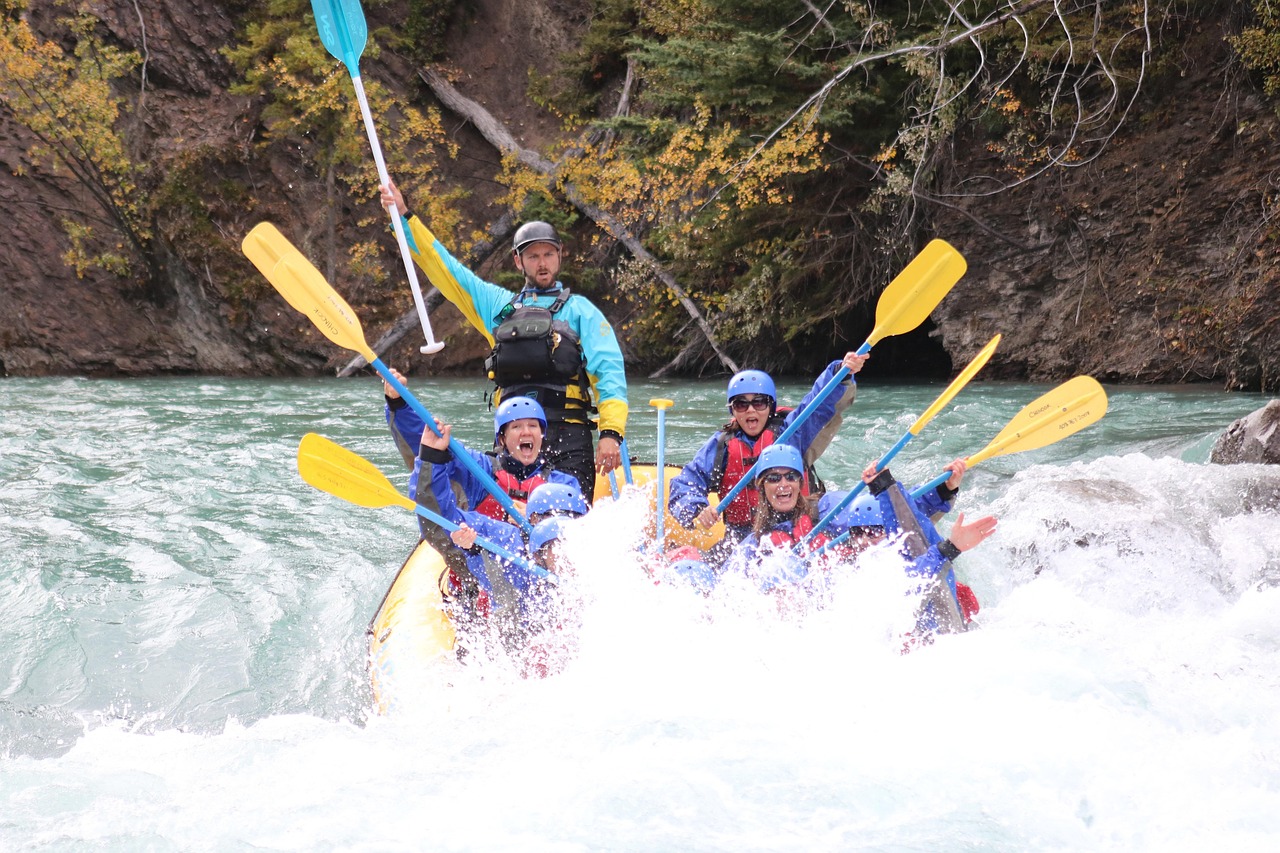

Environmental Conservation Efforts in Whitewater Rafting Areas
Whitewater rafting is not only an exhilarating sport but also offers opportunities for environmental conservation in various regions. The natural rivers and landscapes used for rafting are essential ecosystems that support diverse wildlife and vegetation. Many rafting companies are now committing to conserving these environments through sustainable practices. These practices often include efforts to minimize the impact on local habitats while promoting responsible tourism. Educating rafters on the importance of preserving these areas is vital. This education might include information about the local flora and fauna, the significance of clean waterways, and how human activities affect these ecosystems. Further, companies may organize community clean-up events, inviting participants, guides, and local citizens to participate in protecting the waterways before and after a rafting season. Such initiatives not only improve the local environment but also foster a community spirit among participants. Other organizations partner with conservation groups to promote awareness about endangered species found within rafting regions. These activities inspire people to connect with nature while emphasizing the importance of individual responsibility towards these natural resources, ensuring their protection for generations to come.
Adventurers are becoming increasingly aware of their environmental impact while participating in whitewater rafting, prompting action. It is common practice among reputable rafting companies to implement guidelines aimed at minimizing ecological disruption. This includes using eco-friendly materials for equipment and gear, reducing reliance on fossil fuels and plastics when possible. Moreover, guides frequently educate participants about staying on designated trails, which helps protect surrounding vegetation. By adhering to these practices, the degradation of the riparian ecosystems along riverbanks is significantly reduced. Sustainable rafting practices contribute to maintaining healthy streams, which are crucial for the ecosystems relying on them. A healthy river system benefits not only fish populations but also the entire food chain connected to these waters. Further, these practices signal to local communities the importance of maintaining environmental balance. Many companies are collaborating with conservation groups to monitor and preserve the ecological health of river systems. Choosing a rafting company that prioritizes these initiatives becomes an essential consideration for environmentally-conscious adventure seekers. Individuals can play a significant role by selecting eco-friendly companies that use their platform to further environmental conservation efforts while enjoying the thrill of navigating through whitewater.
Local Community Engagement
Local communities are essential partners in the conservation efforts surrounding whitewater rafting areas. By engaging residents, rafting companies can create a network that emphasizes the importance of preserving natural resources. Initiatives that include local stakeholders can facilitate a better understanding of the local needs and environmental challenges faced by the region. For example, educational programs may involve workshops where community members can share their knowledge about the land and water’s histories and cultures. This inclusive approach fosters a sense of ownership among locals, promoting a culture of conservation. Community-led clean-up efforts alongside rafting groups can be invaluable, reinforcing the idea that protecting the environment is a collective responsibility. Additionally, local businesses can leverage rafting tourism to promote environmentally friendly practices. They might offer discounts or incentives for customers who partake in conservation-related activities, ensuring sustainable tourism benefits everyone involved. Mentorship programs connecting experienced rafters and younger generations can serve as a bridge to instill values of environmental stewardship in future adventurers. Subsequently, when communities unite to protect their rivers, the impact leads to more resilient ecosystems and vibrant recreational opportunities for everyone.
In addition to local involvement, many rafting tours are actively contributing to scientific research and monitoring of river ecosystems. By partnering with environmental organizations, these companies assist in collecting data that can influence conservation policies. For example, water quality testing is often integrated into the rafting experience, providing valuable information about pollution levels and ecosystem health. By allowing participants to engage in this research, rafters develop a deeper appreciation for the rivers they navigate. Understanding how factors like climate change and urban development affect river systems establishes a strong connection to conservation efforts. Furthermore, many rafting organizations contribute financially to initiatives aimed at habitat restoration and protection. These financial contributions often support reforestation projects or aquatic habitat enhancements that directly benefit the wildlife associated with river systems. Conservationist rafting experiences enable adventurers to contribute positively to the environment. Thus, individuals not only enjoy thrilling rides through rapids but also ensure their enjoyment does not come at the expense of the ecosystems that support them. Highlighting the intersection of recreation and conservation sparks further interest in sustainable practices.
The Role of Non-Profit Organizations
Non-profit organizations play a crucial role in advocating for conservation within whitewater rafting regions. These organizations typically focus on preserving waterways and the unique ecosystems that surround them. They often work alongside rafting companies to enhance conservation efforts through public awareness campaigns. By educating the public on the importance of these areas, non-profits help create a sense of urgency around environmental protection. Many of these campaigns include river clean-up activities that encourage community involvement. During such activities, participants gain hands-on experience in conservation while forming connections with like-minded individuals. Educational workshops can also be organized by these organizations to teach individuals about ecological literacy, instilling a love for nature along with environmental responsibility. Additionally, leveraging social media platforms helps non-profits amplify their message and garner support from broader audiences. Fundraising initiatives focusing on preserving river habitats and offering grants for restoration projects are other common efforts. When rafting enthusiasts collaborate with these organizations, opportunities arise for long-term environmental stewardship. Ultimately, this partnership leads to healthier rivers, and thriving ecosystems while providing unforgettable experiences for rafters.
To further enhance the conservation narrative within rafting activities, experiential education is becoming popular. Participants are increasingly encouraged to embrace the role of advocates for nature through their experiences. Many companies incorporate educational elements into their rafting excursions, allowing participants to learn about local ecosystems while navigating through stunning landscapes. Facilitation of discussions about conservation issues during rafting allows adventurers to grasp the interconnectedness of nature. This knowledge empowers them to make more responsible decisions in the future. As participants gain insight into the ecological footprint of their actions, they become more dedicated to promoting environmental conservation. Rafting guides often share personal stories illustrating the impact of human behaviors on river ecosystems, making the experience relatable. Practical skills such as waste management practices are also covered during these excursions. Learning to minimize their footprint and respect the natural environment enhances their understanding of sustainable practices. This experiential learning process ensures that rafters leave with a lasting commitment to environmental stewardship. Ultimately, informed adventurers become advocates for change, fostering a culture of conservation that extends beyond the rivers.
Conclusion: The Future of Conservation in Rafting
The future of environmental conservation in whitewater rafting is promising as awareness continues to grow. More travelers are actively choosing eco-friendly operators, pushing traditional companies to adapt and reevaluate their practices. Sustainable tourism creates an enduring need for businesses to demonstrate their commitment to protecting the environment. This commitment shapes the industry, emphasizing that adventure can coexist with responsible governance of natural resources. Innovative ideas continue to surface, often driven by technology and creative problem-solving, inspiring other industries to follow suit. Moreover, partnerships among governments, conservation groups, and rafting companies can lead to effective conservation policies. Collaborative approaches create large-scale solutions that address significant challenges facing river ecosystems globally. As a result, healthier ecosystems not only generate enhanced environmental benefits but foster recreational opportunities and economic gains for local communities. The shared goal of protecting rivers ultimately enriches the experiences of those engaging in rafting. Encouraging a sustainable approach cultivates a generation of Earth-conscious adventurers. The collective effort made by the rafting community will ensure the preservation of breathtaking environments for future generations.