
How Dance Aerobics Classes Fostered Community Resilience Historically
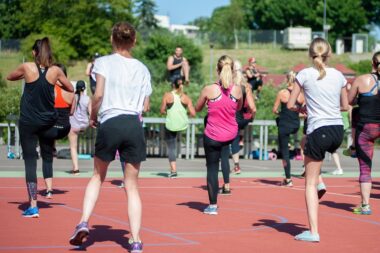
Dive into the world of dance aerobics, an invigorating genre that melds fitness with creativity. Historically, dance aerobics emerged in the late twentieth century, becoming immensely popular in the 1980s and 1990s. This fusion of dance and exercise not only helped individuals tone their bodies but also empowered communities to come together. Often, dance aerobics classes occurred in local gyms and recreation centers, offering a space for individuals from diverse backgrounds to unite and share a passion for movement. As people participated in these classes, they formed friendships and connections that transcended differences. The lively rhythms combined with catchy music provided an uplifting atmosphere where participants could express themselves. Moreover, these classes often became a sanctuary amid economic and social challenges. Troubling times encouraged many communities to engage in communal activities, and dance aerobics served as a motivational platform. The significance of such classes extended beyond mere physical fitness; they became symbols of resilience and solidarity. The focus on collective enjoyment approached physical well-being holistically. Sharing smiles, laughter, and sweat on the dance floor was healing, cultivating long-lasting bonds. Together, communities thrived through movement, fostering a sense of belonging.
As the categorization of fitness genres evolved, dance aerobics maintained a unique identity that celebrated individuality. The vibrancy of various dance styles, like jazz, hip-hop, and salsa, consistently infused energy into every class. The instructors—often charismatic and passionate—played a crucial role in this energetic atmosphere, motivating participants to push their limits and enjoy themselves while doing so. These leaders could adapt routines to cater to all skill levels, making sure no one felt excluded. In a time when social divisions appeared evident, dance aerobics classes provided a non-judgmental space for people to embrace their uniqueness while celebrating others. Participants often found themselves stepping outside of their comfort zones, exploring different dance techniques and rhythms. This openness helped cultivate a sense of community beyond location, enabling bonds formed in classes to flourish into supportive friendships. Social gatherings often extended beyond the classes, where participants celebrated milestones and achievements. Events, like local showcases and charity fundraisers, highlighted the power of community, channeling collective energies towards common goals. The creations of teams and dance challenges brought fun and competition while reinforcing community unity, inspiring individuals to strive toward collective wellness.
Challenges Faced and Overcoming Them
Despite their popularity, dance aerobics classes were not without obstacles. Changes in fitness trends often led to dwindling attendance, as newer workout fads emerged, overshadowing traditional aerobic classes. However, dedicated instructors and passionate participants remained resilient. The dance aerobics community often found ways to innovate, introducing themed classes that appealed to various demographics. For instance, incorporating popular music or viral dance moves kept the classes fresh and exciting. Marketing efforts aimed at inviting newcomers helped rejuvenate interest in local offerings. Additionally, participants often banded together, providing encouragement and support to one another, ensuring that every person felt valued and included. The sense of camaraderie fueled by shared challenges facilitated emotional support during tough times. Communities began to recognize the potential of these classes not just for fitness but as a source of healing and collective joy. The rise of social media helped amplify community efforts as participants showcased their progress and achievements online, drawing a wider audience to their local classes. These connections inspired others to join the movement, emphasizing the positive impact dance aerobics have in promoting community resilience amidst ever-changing landscapes.
As dance aerobics classes evolved, the advent of technology transformed how communities engaged with fitness. Virtual platforms created new opportunities, allowing participants to connect digitally and join classes from their homes. This shift became instrumental during periods of isolation, whereby outlets needed to adapt to continue facilitating community bonds. Through live-streamed classes and recorded sessions, instructors kept motivation high and encouraged guests to remain physically active. Despite distance, dance aerobics became a source of joy and togetherness, as participants engaged in workouts while exchanging positivity through digital platforms. Virtual communities brimmed with encouragement, fostering a spirit of resilience that extended beyond physical boundaries. Participants shared stories of strength while adapting to new avenues for connection, forging friendships that formed in the virtual space. The delights of monitoring progress together grew, showcasing how dance aerobics persevered during difficult moments, reinforcing the importance of adaptability. Furthermore, communities celebrated their achievements through online challenges, sharing photos and clips of dance moves. This celebration of movement fortified bonds, demonstrating that dance aerobics remained a relevant communal experience, adapting to survive and thrive amidst the unpredictable nature of modern society.
The Lasting Impact of Dance Aerobics on Communities
The lasting impact of dance aerobics on communities cannot be overstated. The collective memories formed during classes contribute to a richer community identity, reflecting shared experiences filled with joy and triumph. Discovering an avenue for connection through movement has not only improved physical well-being but also instilled an enduring sense of community pride. Events such as competitions, showcases, and flash mobs represent the commonly held experiences built over time. Dance aerobics classes provided platforms to celebrate individual stories fed into a collective narrative of success through unity. Many participants recall these memories fondly, often inspiring future generations to partake in similar fitness experiences. The embodiment of community resilience shines through when individuals look back, reminiscing on how dance aerobics shaped their lives while forging lasting relationships. This legacy becomes essential for instilling values of teamwork, camaraderie, and wellness within future dancers and fitness enthusiasts. Even generations later, former participants often return, seeking to relive that experience and uncover ways to share the joy of dance aerobics across ages.
The evolution of dance aerobics continues to influence contemporary fitness culture while inspiring new movements. The principles acquired from early classes still resonate, shaping innovative fitness regimes that embrace inclusivity and community empowerment. As traditional classes adapt to modern expectations, dance aerobics remains foundational in nurturing connections amid the constantly fluctuating landscape of fitness. Coupling traditional forms with modern trends ensures that the values established—compassion, support, and joy in exercising—stay relevant. By understanding the roots of dance aerobics, future fitness classes can recognize how essential it is to foster community connections. Dance aerobics may continuously evolve, focusing on diverse styles and preferences, yet the fundamental aspect of community remains unwavering. As lives shift and societies are tested, history has shown that gatherings around dance are more than exercise; they are moments of shared resilience and joy. With authenticity at the core, these classes can serve as powerful reminders that collaboration, companionship, and fun will endure through adversity. Each step taken collectively fosters strength, perpetuating a cycle of support within the community as new generations rise.
A Vision for the Future
Looking toward the future, dance aerobics has the potential to further its impact on community resilience through ongoing evolution and innovation. New trends and technologies, including virtual reality, may reshape how classes are delivered, allowing for immersive experiences while sustaining community ties. Future generations of instructors face the intriguing challenge of preserving traditional elements while integrating modern techniques that speak to today’s audience. Dance aerobics can remain a unifying force, offering familiar structures while inviting creativity and experimentation. It will require dedication and an understanding of diverse participants to ensure everyone feels welcomed and included. As communities continue to navigate challenges, the essence of dance aerobics—its ability to bring people together—will remain its biggest asset. Long-term relationships forged through dance will help individuals face uncertainties with resilience, emphasizing emotional well-being alongside physical fitness. Community workshops and outreach programs can further root dance aerobics in local priorities, engaging underserved populations and expanding accessibility. These initiatives will ensure that dance aerobics thrives across demographics, further entrenching its role in community resilience. The dance floor transforms into a testament of unity, showing that together, we rise and flourish.
In conclusion, the historical significance of dance aerobics offers profound insights into its role within building community resilience. The vitality surrounding dance aerobics classes has created a legacy that transcends generations, inspiring conversations about fitness, artistry, and togetherness. As trends shift and priorities change, the enduring appeal of dance aerobics remains a tribute to the power of connection among individuals. Each uplifting beat echoes the narratives of perseverance, healing, and friendship formed over the years. The journey through dance aerobics is a reminder that while the world may constantly evolve, the need for community and support remains timeless. Future trends may emerge, yet the foundational principles established during the rise of dance aerobics will be essential in fostering communities that thrive amid struggles. By embracing the lessons learned from history, communities will continue to find strength and solidarity through shared movement. The beauty of dance aerobics remains in its essence—uniting individuals in joy, nurturing resilience, and weaving together the fabric of supportive, vibrant communities. Move forward, celebrate progress, and cherish connections rooted in a shared passion for dance and movement together.