
How to Land a Heelflip: A Comprehensive Guide
Mastering the heelflip is essential for any skateboarder looking to elevate their skills. This trick involves flipping the board with your back foot while pushing it forward with your front foot. Begin by standing on the board with your feet positioned correctly: the front foot should be angled slightly, resting near the middle, while the back foot should be on the tail for a strong pop. Make sure you are comfortable with the ollie first, as it’s the foundational skill required. Once you’re ready, practice the motion without the board to feel the flicking action of your back foot. Afterward, try it while standing on the board. Remember to focus on your balance to maintain control throughout the process. Visualize the heelflip in your mind, as mental preparation is key to executing the trick successfully. It’s also essential to find a safe practicing area where you feel confident. Lastly, don’t forget to wear protective gear to ensure safety during practice. With persistence and patience, you’ll eventually land your first heelflip, boosting your confidence and skill level significantly.
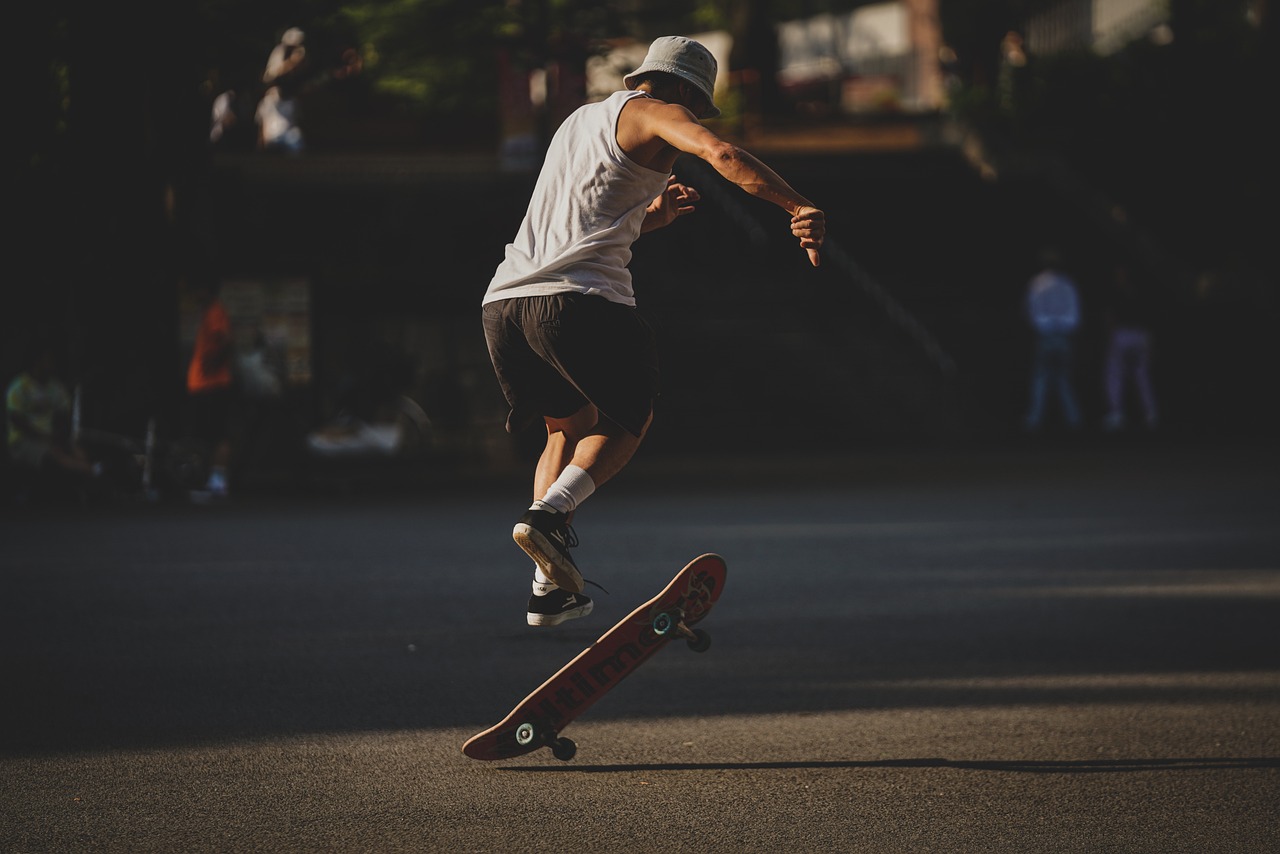
Once you’ve got the basics down, it’s time to dive into the mechanics of the heelflip. The success of this trick heavily relies on your foot movements and body positioning. As you approach your pop, ensure that your weight is distributed evenly across the board. This is crucial for achieving the necessary lift. As you pop the tail, use your back foot to flick outward at an angle, directing your foot towards the nose of the board. This creates the desired flip motion. Your front foot must simultaneously push down and slide up the board to help it rotate. Coordination between both feet is vital for a clean flip. To practice, you can do heelflip attempts on flat ground, allowing you to focus on technique without worrying about obstacles. If you’re struggling to get the timing right, try going slower until you feel more comfortable with the movements. Furthermore, checking your stance frequently helps you maintain a consistent form. Once you feel confident on flat ground, gradually introduce obstacles like ramps or ledges to challenge your skill level and refine your technique.
Practicing consistently will greatly improve your chances of landing a heelflip. Set aside specific times to practice, focusing on your foot placements and timing every session. It’s essential to warm up before starting, which can help prevent injury during practice. Skateboarding is a physical activity that requires warm muscles and flexibility. Incorporating stretches and movements that target your legs and ankles can be beneficial. Focus on the muscles that aid in jumping and landing to increase your overall performance. Furthermore, recording your attempts can provide valuable insights into your technique. Watching these videos can reveal common mistakes and areas for improvement that you might not notice while practicing. Additionally, consider inviting friends or fellow skaters to join your practice sessions; they can provide encouragement and constructive feedback. Having a supportive environment can make your practice more enjoyable and motivating. Celebrate small victories, whether it’s getting the flick right or overcoming fear, as this will help you stay encouraged. Remember that persistence is key to mastering this trick, and each setback is a stepping stone toward success.
Troubleshooting Common Heelflip Issues
As you hone your heelflip, you might encounter common issues that prevent you from landing the trick. One common problem is the board not flipping enough. If this happens, reassess your foot placement and ensure you’re applying enough force with your back foot during the flick. If your board flips but you can’t catch it, practice catching the board with your feet slightly apart. This technique helps you regain balance after the flip. Another common issue is flipping the board too high or not high enough. Striking the right balance is essential for control and landing. To adjust for height, modify the angle of your back foot flick and keep your center of gravity low while landing. If your heelflip ends up turning, check your angle and stance; keeping your body aligned with the board will assist in maintaining the proper direction. It may also be beneficial to respawn your confidence by rediscovering the joy in skating. Frustration can hinder progress, so if you experience difficulty, take breaks and return to fundamental movements that help you build skill and confidence steadily.
Additionally, it’s prudent to observe and analyze professional skateboarders executing heelflips. Watching tutorials from experienced skaters can significantly aid your learning process. Look for tutorials that break down the trick into manageable steps. Pay close attention to how they position their feet, the timing of their flick, and their landing technique. Analyzing their style can provide you with insights that may improve your own execution. Furthermore, you can take advantage of online resources such as skateboarding forums and communities where skaters share tips and advice. These platforms often have supportive members who can provide guidance and encouragement. Don’t hesitate to ask for help or clarification if you encounter difficulties. Engaging with other skaters, whether online or in person, builds a community around you that fosters skill growth. As you progress, remember that each person’s learning curve differs; patience with yourself is crucial. Allow your body and mind the time they need to absorb the techniques. Dedication, a positive attitude, and an eagerness to learn will make the journey towards perfecting the heelflip an enjoyable experience.
The Importance of Safety Gear
As you practice your heelflip and other skateboarding tricks, prioritizing safety should always be a top concern. Wearing protective gear can significantly reduce the likelihood of injuries during practice, especially when attempting new tricks. Essential gear includes a helmet to protect your head, knee pads for falls, and wrist guards to safeguard against common injuries. Ankle support is also crucial when learning tricks like the heelflip, helping to prevent sprains during landings. Many skaters opt for specific skate shoes designed for their grip and cushioning, which can help prevent slipping off the board. An investment in quality shoes can also enhance performance by providing better response and control. Be sure to choose a riding location that minimizes risks, avoiding crowded places or uneven terrains until you feel confident. Lastly, practicing falls can help you learn how to cushion your body during a tumble, making the experience less intimidating. As you continue to skate, make it a habit to routinely check your gear and replace any worn or damaged items to stay safe. Ultimately, safety gear not only protects you but also allows you to skate with more confidence while learning new tricks.
Conclusion: Keep Practicing
In conclusion, landing a heelflip requires practice, patience, and persistence. Each skater’s journey will differ, and embracing the process is essential for growth. Attaining proficiency in this trick is part of the learning experience; celebrate each attempt, regardless of the outcome. Keep in mind that you will face numerous challenges along the way, and it’s important to acknowledge that mistakes are an integral part of mastering any skill. By applying the techniques and insights gained from practice and analysis, you position yourself for success. Regularly revisiting the basics will strengthen your foundation and enhance your confidence, setting the stage for even more complex tricks in the future. Moreover, connecting with the skateboarding community can provide you with invaluable support, motivation, and camaraderie during your journey. Sharing your progress with others may inspire peers and foster uplifting relationships. Remain curious and open-minded, and continue exploring the world of skateboarding. Each session on your board is an opportunity for fun, creativity, and self-expression. So grab your skateboard, gear up, and savor the ride as you continue on your path to mastering the heelflip and beyond!
Check out detailed tutorials and tricks!
For those eager to delve deeper into the exhilarating world of skateboarding, consider exploring online skateboarding tutorials and footage. Websites and videos dedicated to skateboarding offer invaluable insights and techniques from seasoned skaters. Platforms like YouTube host countless channels focused on skateboarding enthusiasts who share tips, tricks, and expert demos. Engaging with these resources not only broadens your knowledge but also inspires creativity on your skateboard. After watching tutorials, it’s essential to practice the skills demonstrated consistently. Allocate time for skill-building sessions that focus on various tricks, including the essential basics. Always remember to remain patient with your progress, as each trick builds upon the last. Dedicating time to practice in a supportive environment, where peers can encourage one another, can greatly enhance the effectiveness of learning. Break complex tricks like the heelflip down into smaller components to master each essential movement. Over time, assembling these components will feel more natural, and you’ll find yourself executing tricks with greater confidence and ease. Maintain a growth mindset, stay engaged, and enjoy every moment spent on your board!